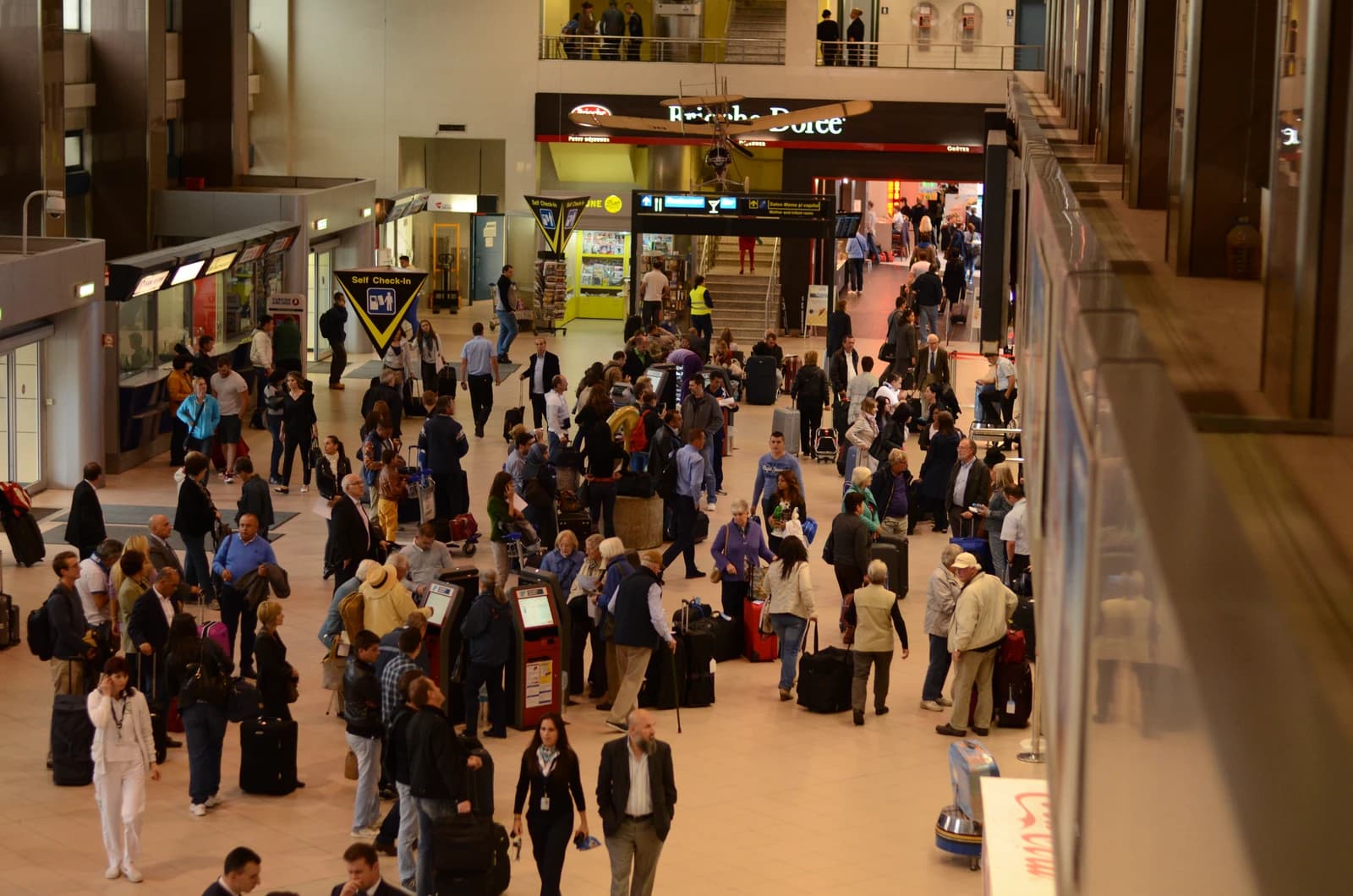
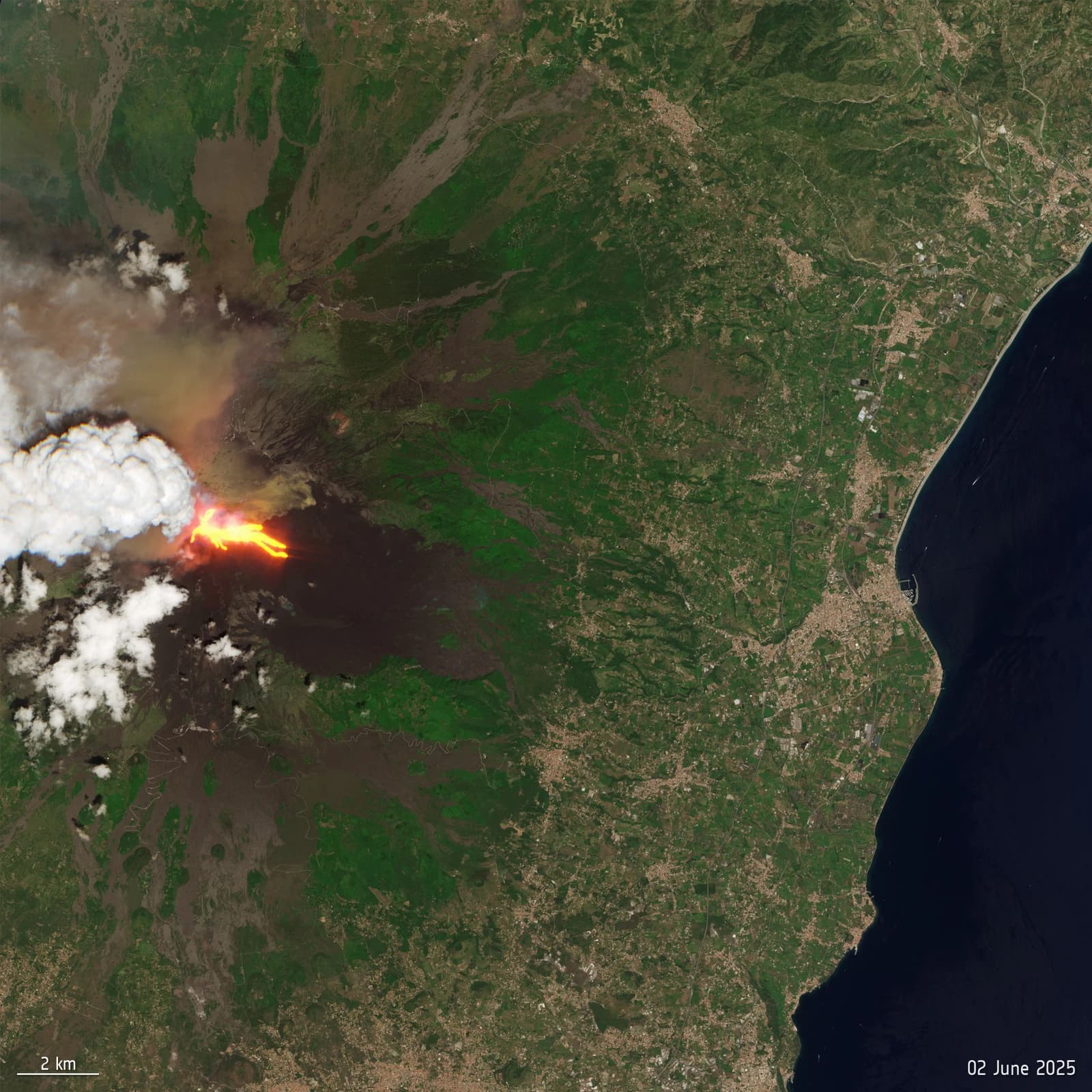
Flights at Catania airport in Sicily have been suspended until Tuesday afternoon after volcanic ash from Mount Etna and bad weather forced the shutdown, disrupting one of Italy’s most important regional gateways in the middle of the summer travel season.
Catania Airport Shutdown After Mount Etna Ash
For investors, the immediate issue is not a stock-market move so much as the recurring economic cost of a fragile transport link in a tourism-heavy part of Europe. Catania is Italy’s fifth-busiest airport, and when it goes offline, the pain spreads quickly to airlines, airport operators, hotels, car rentals and local businesses that depend on steady passenger traffic. Every closure also raises the risk of knock-on delays across the wider network as airlines scramble to reroute passengers and aircraft.
Mount Etna is Europe’s highest and most active volcano, and this is far from an isolated disruption. The airport has often been affected by ash, but the intensity of emissions this summer has been particularly severe, stranding thousands of travelers during peak holiday demand. That matters because tourism is not just a seasonal convenience for Sicily; it is a core part of the local economy, supporting jobs, tax revenue and spending well beyond the airport perimeter.
The situation also underscores a broader truth for investors: infrastructure in high-risk geographies can be reliable for long stretches and then suddenly become a bottleneck. Airports with strong traffic growth still face an operational ceiling when weather, geology or crowding intervene. That is why resilient hubs, diversified airline networks and operators with strong contingency planning tend to outperform over a full cycle, even if disruptions like this are temporary.
For airline investors, the revenue hit from a single closure is usually limited unless disruptions pile up. But repeated suspensions can chip away at pricing power, raise compensation costs and complicate schedules at exactly the wrong time of year. For airport stakeholders, the episode is a reminder that traffic growth alone does not eliminate operational risk.
The key takeaway is simple: this is an acute disruption, not a structural collapse, but it is the kind of event that tests the durability of travel demand and the quality of airport operations. Long-term investors should watch whether repeated ash-related closures begin to weigh on passenger growth, airline planning and Sicily’s tourism economy.
| Entity | Gains | Losses |
|---|---|---|
| Local carriers | ▲No gains | ▼Delays and rerouting costs |
| Travelers to Sicily | ▲No gains | ▼Missed flights and trip disruptions |
| Catania airport operators | ▲No gains | ▼Lost traffic and operational strain |
| Competing airports and airlines | ▲Spillover traffic | ▼Congestion risk from reroutes |