AI is starting to look less like a futuristic buzzword and more like a practical productivity tool, even for small clubs and volunteer groups that live far from the tech world. That matters because the first big economic payoff from artificial intelligence may not come from replacing entire businesses, but from quietly saving time in the places where unpaid work, paperwork and coordination costs add up.
AI productivity use cases in clubs and Microsoft
In Vorarlberg, a local “ahead x city” event is spotlighting exactly that use case: drafting meeting minutes, writing invitations, summarizing documents, preparing newsletter versions and helping with grant applications. For clubs, those are the tasks that eat up evenings and weekends. AI won’t run a sports association or a cultural society, but it can trim the admin burden that often falls on a handful of committed volunteers.
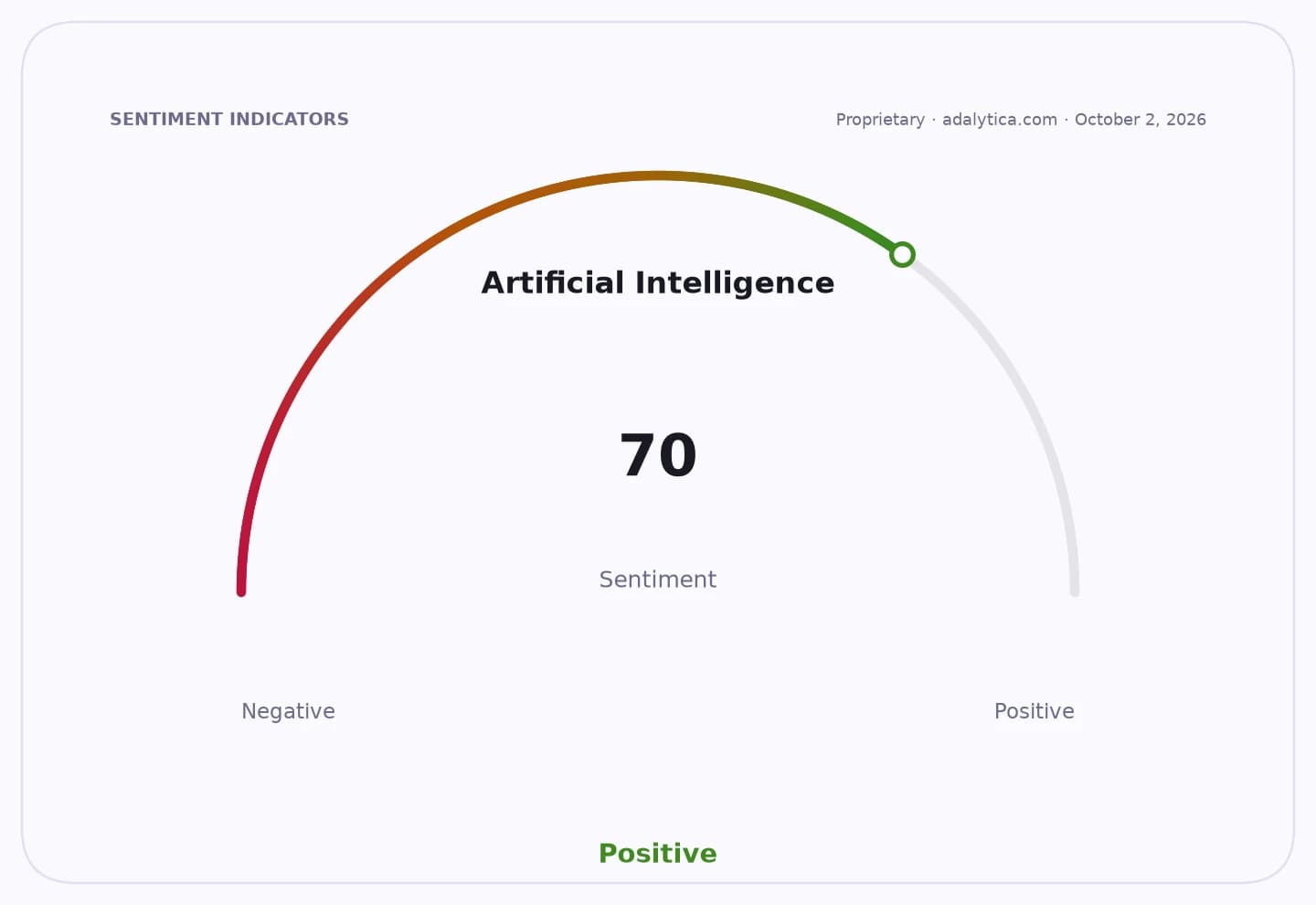
Sentiment IndicatorsⓘProprietary · adalytica.com · October 2, 2026
This is a snapshot — live sentiment, awareness and momentum for 130+ markets update continuously in the dashboard.Open AlphaPulse
That is more important economically than it sounds. Clubs and associations are part of the region’s social infrastructure, and their efficiency affects how much energy is left for member engagement, events and fundraising. If routine work gets faster, more people can stay involved for longer, which helps preserve the volunteer base that many local communities depend on. In that sense, AI is not just a business tool; it is a labor-saving technology for civil society.
The investment angle is broader still. Microsoft and Nvidia remain the clearest market proxies for the AI buildout, and both continue to trade as if investors expect the spending cycle to last. Microsoft’s shares recently sat around $512.80, well above the 200-day moving average near $431.23, while Nvidia was near $230.86, also comfortably above its 200-day average around $200.09. That tells you the market still believes AI adoption has room to run, even after stretches of volatility.
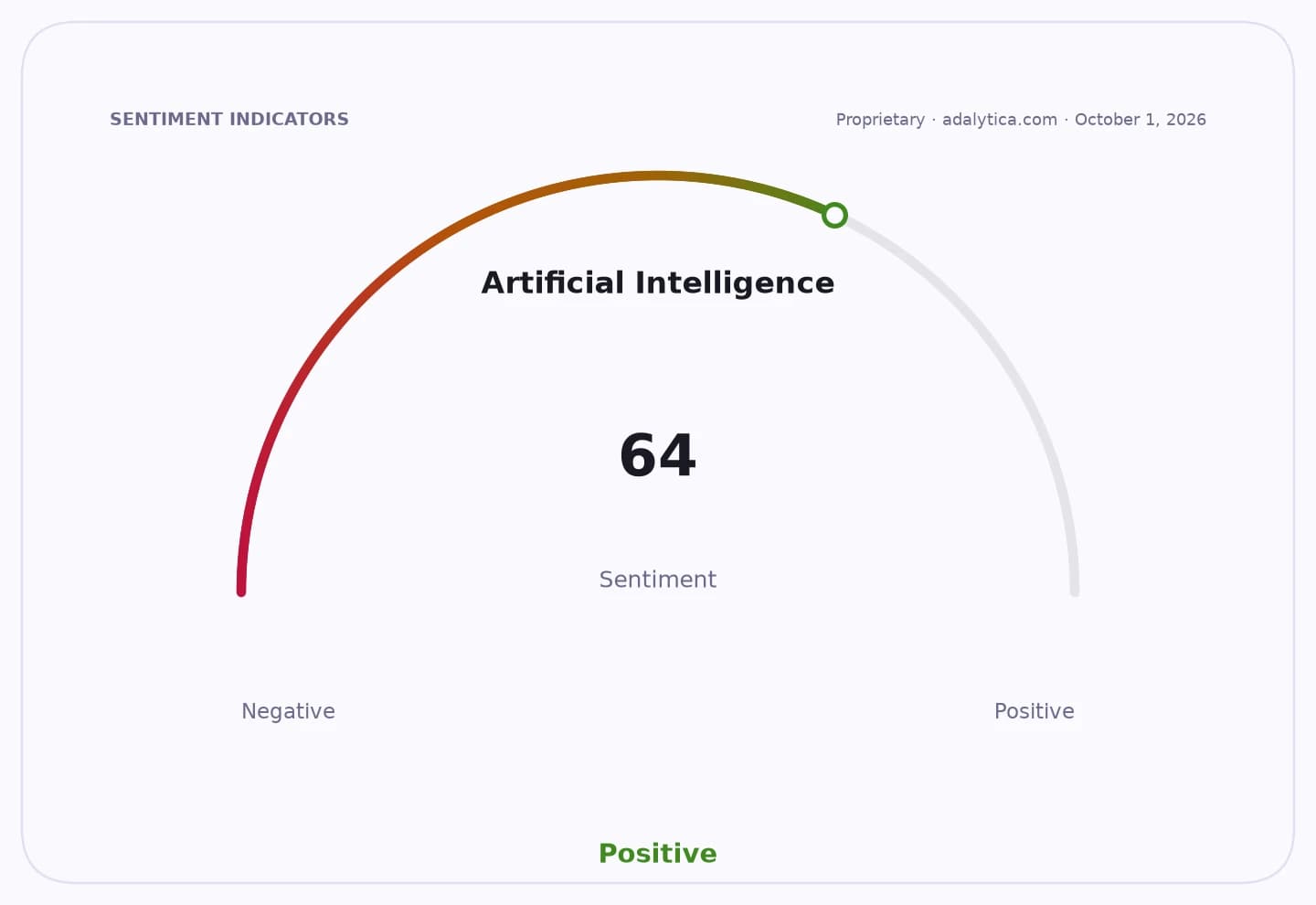
But the latest sentiment readings show a more cautious backdrop. Adalytica’s AI sentiment snapshot was neutral at 70, while Microsoft’s earnings sentiment sat in fear territory at 29. Nvidia’s earnings sentiment was neutral at 57, with awareness elevated. In plain English: investors still see AI as a long-term opportunity, but they are increasingly selective about which companies can convert the theme into durable profits and cash flow.
That is where the Vorarlberg example becomes useful for investors. The same logic that helps a volunteer secretary save time also applies to corporate customers: AI wins when it removes repetitive work without adding complexity. The companies that make those workflow gains easy, safe and cheap to adopt are the ones most likely to keep compounding.
There are risks, of course. AI can make mistakes, invent facts or mishandle sensitive data, which is why the human check remains essential. That caution matters for investors too, because the biggest winners will not be the firms that simply market AI everywhere, but the ones that earn trust with reliable products and clear use cases.
For long-term investors, the takeaway is simple: AI is spreading beyond the data center and into everyday productivity. That broadens the opportunity, but it also raises the bar. The best strategy is to stay diversified, focus on companies with real competitive advantages, and think in years rather than quarters. For investors building a durable portfolio, this is a trend worth watching — and likely holding for the long term.
| Entity | Gains | Losses |
|---|---|---|
| Volunteer clubs | ▲Less admin work | ▼Manual paperwork load |
| Microsoft | ▲Broader AI adoption | ▼Doubts over margin payback |
| Nvidia | ▲Ongoing AI infrastructure demand | ▼Any slowdown in capex |
| Skeptical investors | ▲Potential pullbacks to buy | ▼Chasing hype without proof |