Germany’s far-right Alternative for Germany is leaning hard on East German nostalgia in a weekend regional election that could put it within reach of power in Saxony-Anhalt for the first time since World War Two, a breakthrough that would reshape the country’s political balance and deepen pressure on mainstream parties.
AfD polls above 40% in Saxony-Anhalt vote
The AfD is polling above 40% in the state, according to the source material, giving it a real shot at turning identity politics into governing power in one of Germany’s poorest eastern regions. That matters well beyond local politics: a strong AfD result would underscore how reunification-era resentment, economic frustration and a sense of second-class citizenship remain potent forces in the former East, and could further normalize a party that has long been treated as a protest vehicle by established conservatives and centrists.
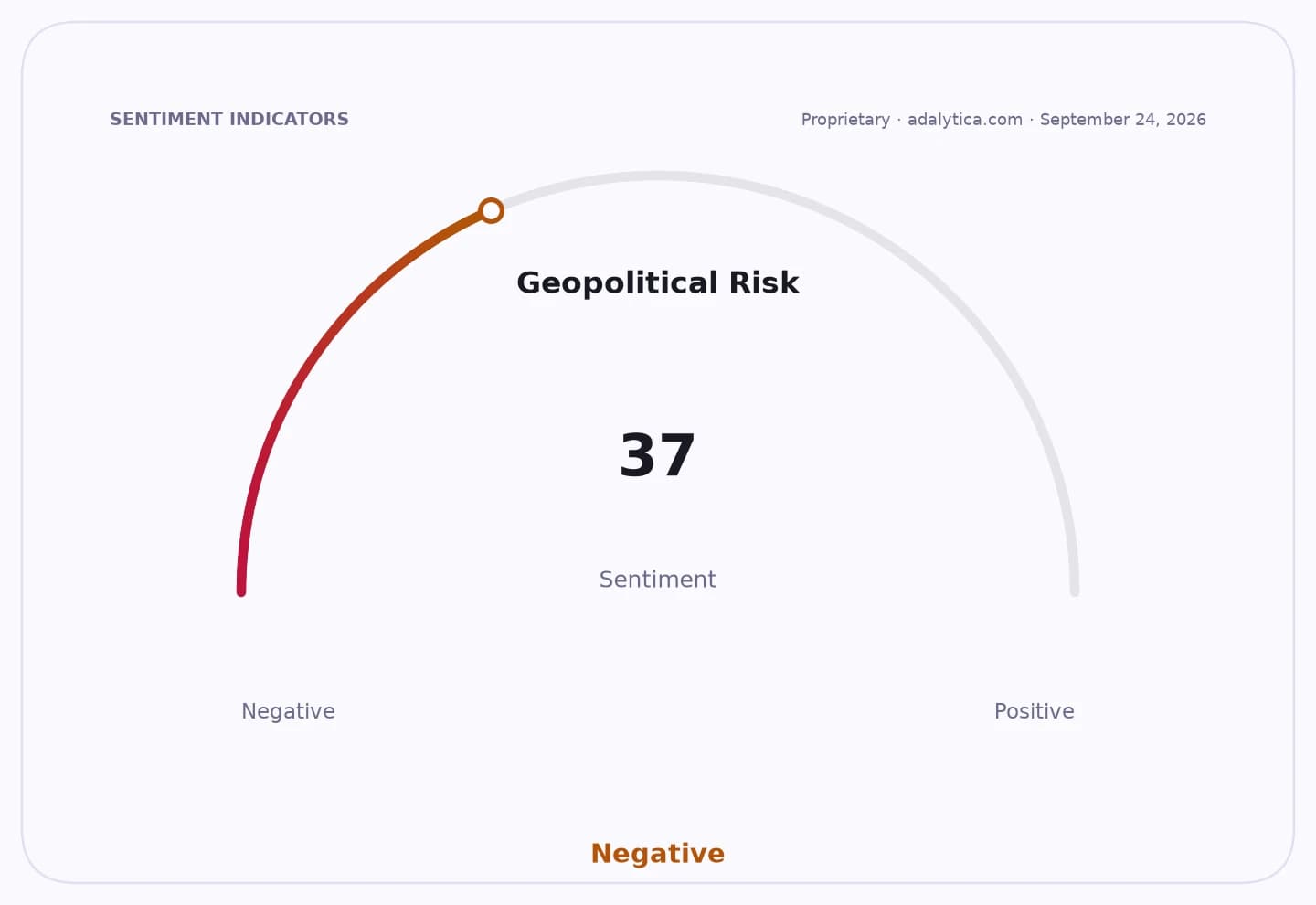
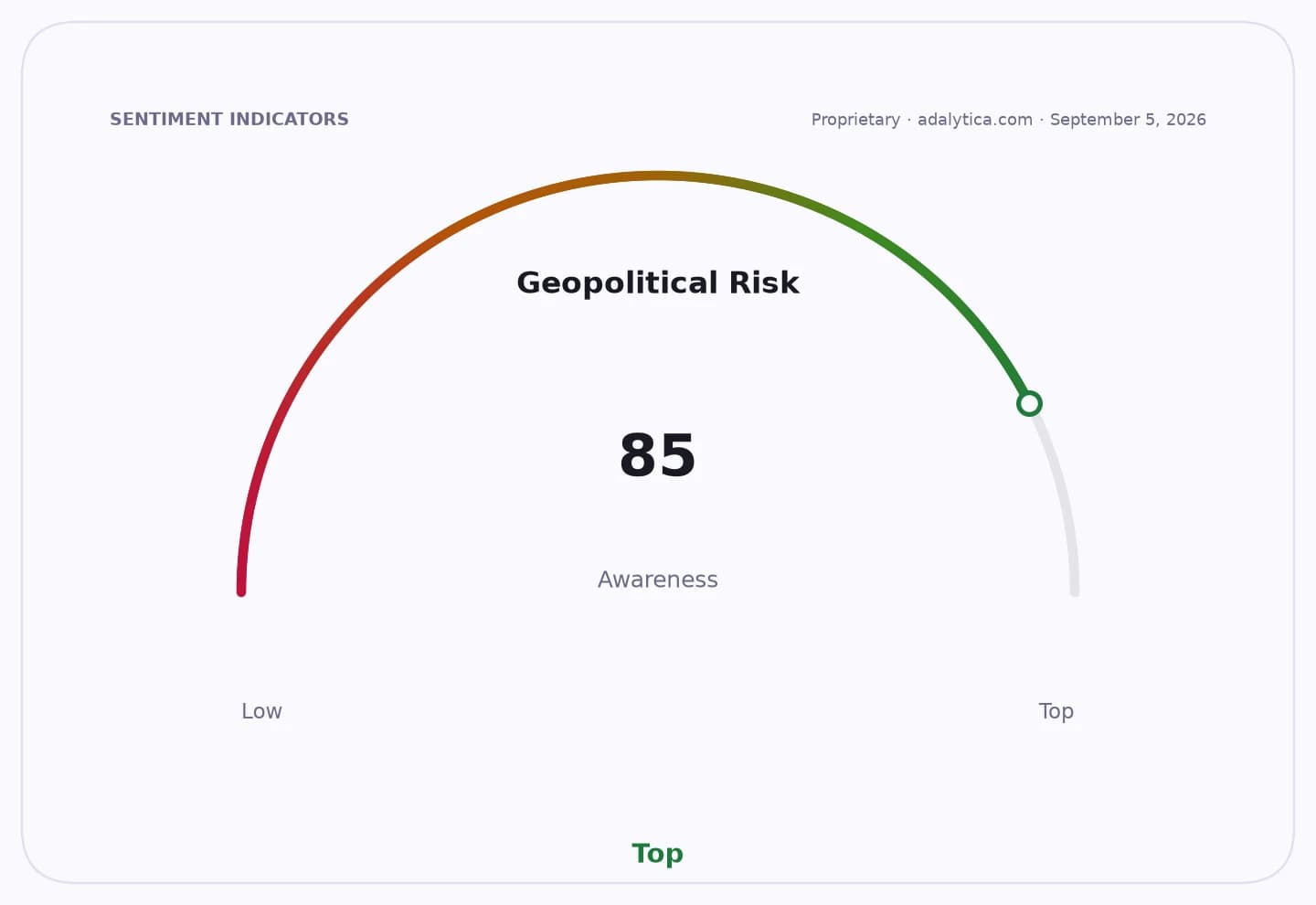
Sentiment IndicatorsⓘProprietary · adalytica.com · September 5, 2026
This is a snapshot — live sentiment, awareness and momentum for 130+ markets update continuously in the dashboard.Open AlphaPulse
At a campaign rally in Quedlinburg, the party wrapped itself in symbols that resonate with older eastern voters and, increasingly, younger ones too: Simson mopeds, Trabant cars, the East German flag and the slogan “Wir sind das Volk,” borrowed from the 1989 protests that helped bring down the Berlin Wall. AfD state leader Ulrich Siegmund is pitching the party as the defender of eastern pride against what he casts as a detached political establishment.
The message is landing because the AfD is not just selling policy, but belonging. Sociologist Steffen Mau says six in 10 people in the former East still describe themselves as second-class citizens, a grievance the party is using to invert into political strength by promising recognition, status and “freedom” rather than just anti-immigration rhetoric.
For investors, the election is a reminder that Germany’s political fragmentation is far from settled, with implications for fiscal policy, labor supply, industrial strategy and the wider euro-area outlook if far-right influence keeps expanding in the eastern states. The immediate market impact is likely to be limited, but the broader read-through is harder to ignore: rising support for the AfD can complicate coalition math in Berlin and increase policy uncertainty in Europe’s largest economy.
Adalytica’s Euro Trade Signals show neutral sentiment at 50 with awareness elevated at 75, while its Global Stability Sentiment sits neutral at 44, reflecting a market environment that is alert to political risk even if not yet pricing a major shock. The key catalyst is the election result itself, which will show whether the AfD’s eastern identity strategy converts into power or simply another strong protest vote.
| Entity | Gains | Losses |
|---|---|---|
| AfD | ▲Historic power bid | ▼Mainstream parties |
| East German protest voters | ▲Political voice | ▼Status quo coalition blocs |
| Saxony-Anhalt establishment | ▲Short-term attention | ▼Governing control |
| Euro-area stability | ▲None | ▼More political uncertainty |