The far-right Alternative for Germany is on course to win Saxony-Anhalt’s state election and could become the first far-right party to lead a German federal state since World War II, a result that would mark a major political break in Europe’s largest economy.
AfD Leads Saxony-Anhalt State Election Polls
Polls put the AfD at more than 41% ahead of Sunday’s vote, well clear of Chancellor Friedrich Merz’s conservatives at 23%, with the left-wing Die Linke on 11.5%, the Social Democrats on 8.5% and the Greens on 6%. That makes Saxony-Anhalt the most likely stage yet for a historic breakthrough that would reverberate far beyond the eastern state’s 2.1 million residents.
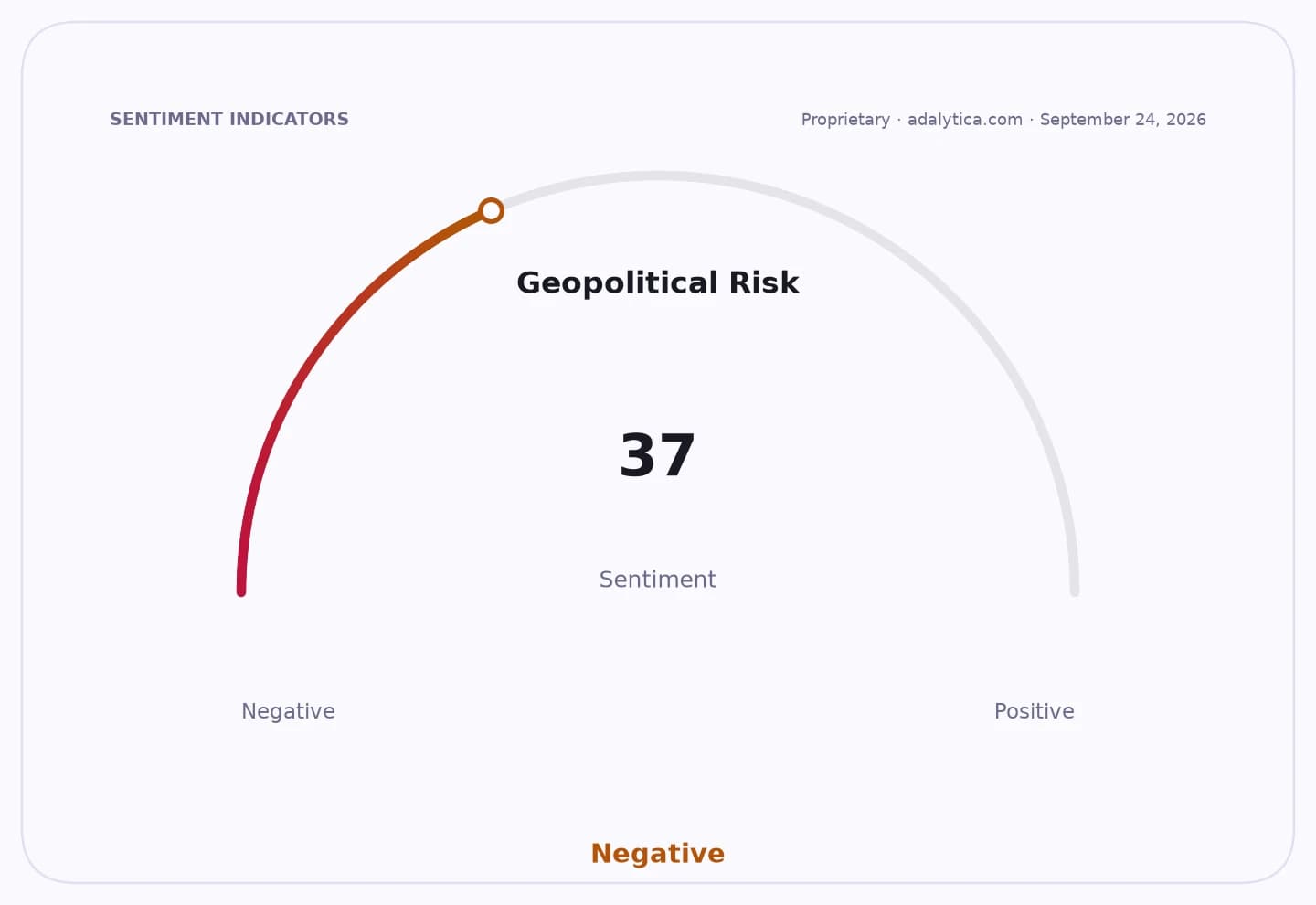
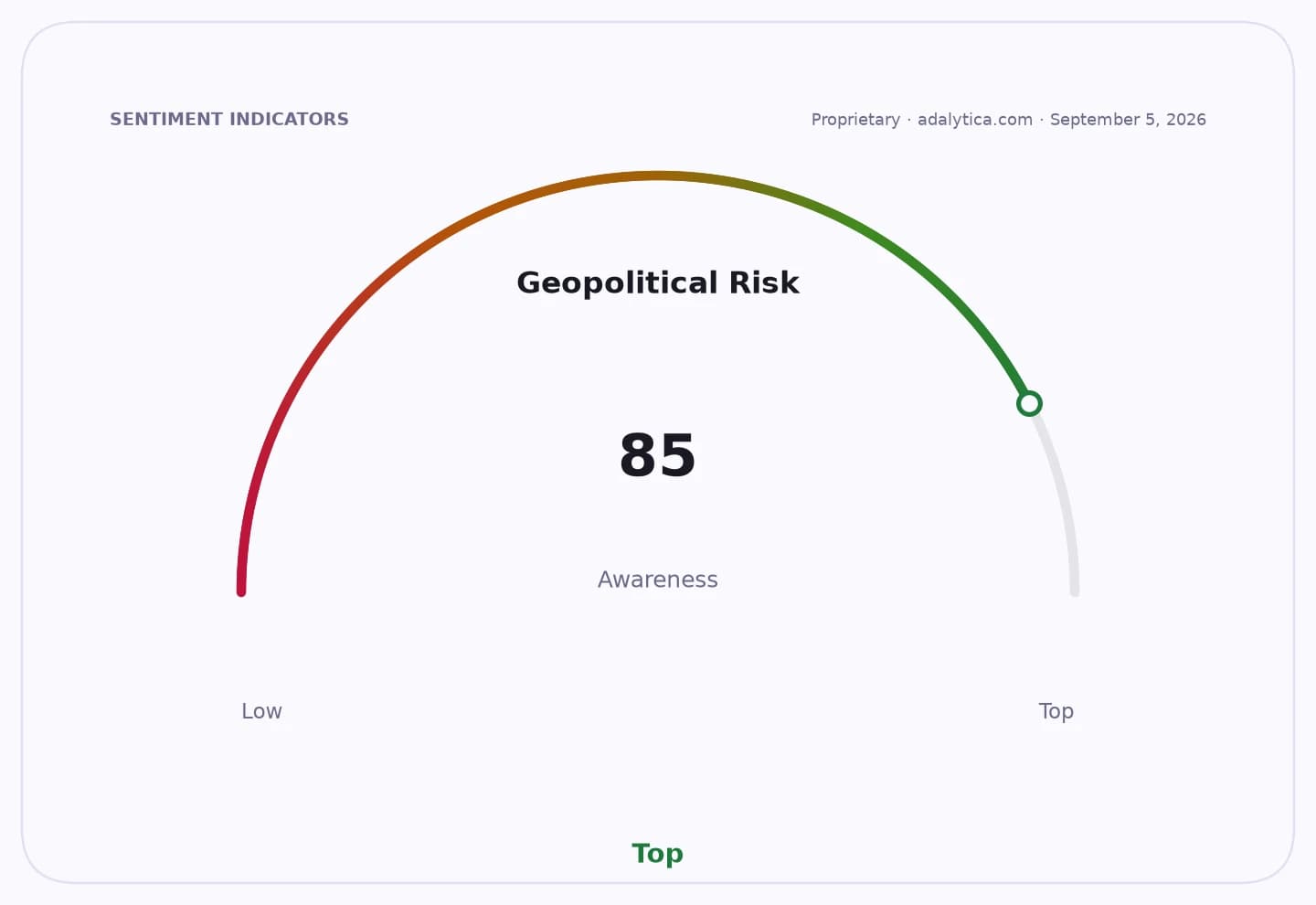
Sentiment IndicatorsⓘProprietary · adalytica.com · September 5, 2026
This is a snapshot — live sentiment, awareness and momentum for 130+ markets update continuously in the dashboard.Open AlphaPulse
Economically, the vote speaks to the persistence of Germany’s east-west divide. Saxony-Anhalt is the country’s poorest state by GDP per capita, at 36,517 euros in 2024, and its population has fallen 23% since 1990, the sharpest demographic decline of any German state since reunification. Those trends have helped fuel support for the AfD’s hard-line message on migration, national identity and opposition to climate policy.
For investors, the immediate policy impact is limited, because many of the party’s pledges go beyond the powers of a state government and several are legally or politically impossible to deliver. But a victory would still matter for market sentiment around Germany’s political stability, the durability of the cordon sanitaire against the far right and the broader risk premium attached to German assets if national politics continue to fragment.
The AfD’s platform in Saxony-Anhalt goes further than in past campaigns, calling for tighter migration rules, a rollback of LGBTQ+ rights protections, a traditionalist family agenda and a challenge to climate policy. It also borrows from the U.S. MAGA playbook on issues including gun rights and abortion, even as some proposals — such as leaving the Paris climate accord or lifting Russia energy sanctions — fall outside a state’s authority.
Ulrich Siegmund, the 35-year-old AfD candidate and former scented-ambience salesman, has become the face of the campaign and is pushing for an outright majority, which would let the party govern without coalition partners. Most polls still suggest that is unlikely, leaving open the possibility that the CDU’s Sven Schulze could stay in office with a coalition of other parties if the anti-AfD firewall holds.
A clean AfD win would carry heavy symbolic weight in a country where the far right has long been marginalised. It could embolden the party nationally, deepen pressure on Merz’s conservatives to confront the AfD more directly and shape investor views on the political backdrop ahead of future federal battles over migration, energy policy and public spending.
| Entity | Gains | Losses |
|---|---|---|
| AfD | ▲Historic state power | ▼Protest-vote momentum if blocked |
| CDU/Sven Schulze | ▲Chance to retain office via coalition | ▼Control of regional agenda |
| Germany’s political establishment | ▲Clearer test of voter discontent | ▼Stronger far-right normalization |
| Investors in German assets | ▲Short-term clarity if coalition holds | ▼Higher political-risk premium if AfD wins |