The Alternative for Germany’s surge in Saxony-Anhalt is already reshaping how migrants and skilled foreign workers think about their future in one of Germany’s weakest regions, raising the risk of labor shortages in hospitals and other critical services if more people leave.
AfD surge in Saxony-Anhalt raises labor shortage risk
For investors and policymakers, the significance goes beyond a regional protest vote. The AfD’s best result yet in the Sept. 6 election put it in position to lead Germany’s first far-right state government since World War II, even though it fell three seats short of a majority. That has unsettled migrant communities in Magdeburg and beyond, where residents say hostility has risen and counseling centers are seeing a wave of calls from people weighing whether to stay or move elsewhere.
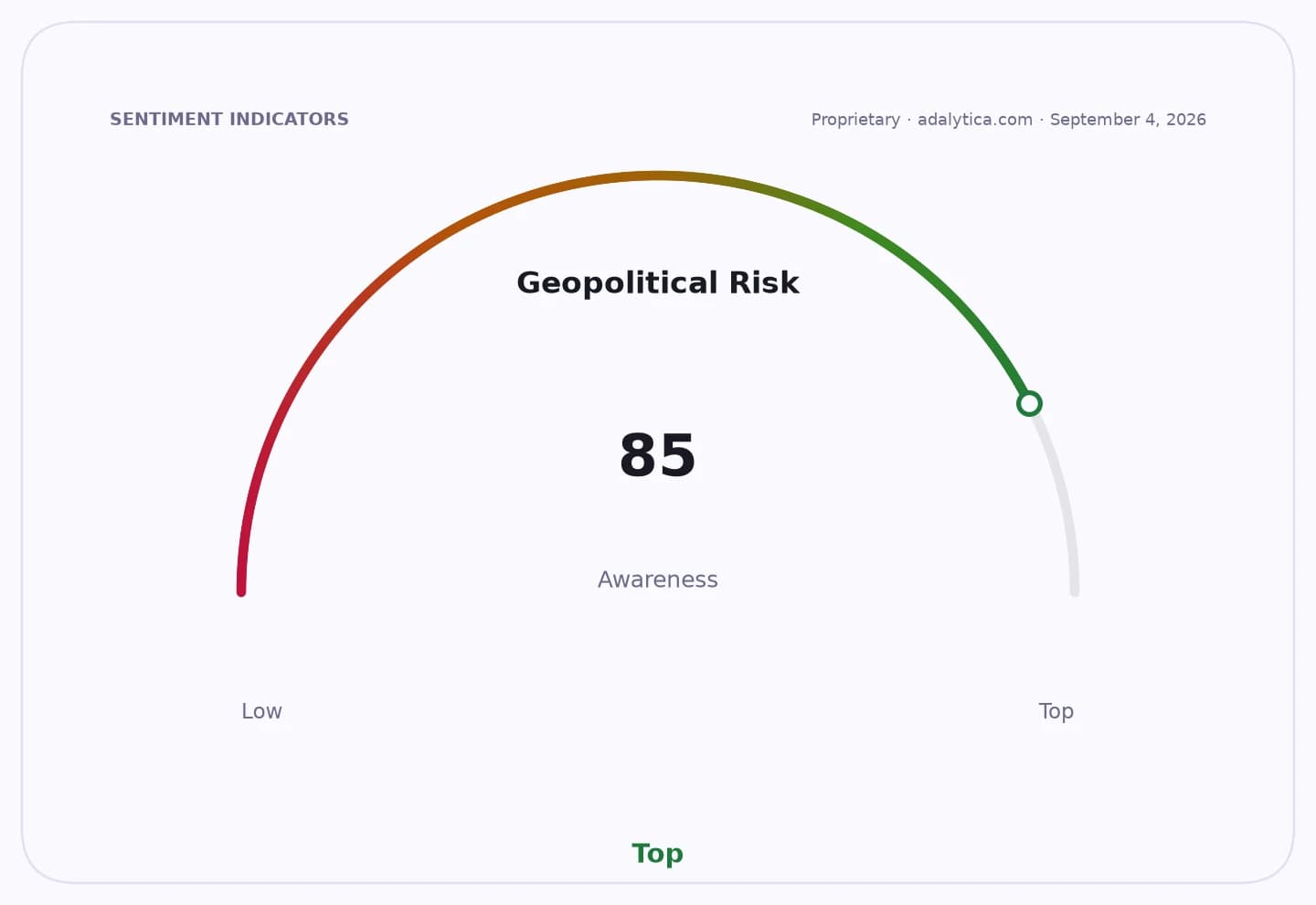
Sentiment IndicatorsⓘProprietary · adalytica.com · October 7, 2026
This is a snapshot — live sentiment, awareness and momentum for 130+ markets update continuously in the dashboard.Open AlphaPulse
The economic stakes are clear in a state that already struggles with ageing, weak growth and a shortage of qualified workers. Saxony-Anhalt’s hospital system is heavily dependent on foreign staff: 27.1% of doctors did not have German citizenship as of August, according to Mediendienst Integration. AfD’s state program calls for sharply selective labor recruitment, including avoiding workers it describes as “culturally foreign” and ending a program supporting integration of foreign skilled workers — a stance that could make recruitment harder just as Germany needs more doctors, nurses and technical staff.
That is why the election matters beyond immigration politics. Germany’s broader economy is still hampered by sluggish growth, high inflation and elevated energy costs, and eastern states have been especially vulnerable to populist appeals. If skilled migrants decide Saxony-Anhalt is no longer hospitable, the impact would be felt first in hospitals and local services, but also in the region’s ability to compete for labor at a time when shortages are already binding.
For residents such as Syrian doctor Ola Akhras and pharmacist Mohamad Aldabagh, the issue is personal as well as economic. Both said they have built lives in Magdeburg, but both also described growing fear that AfD’s rise will translate into a less welcoming environment and more pressure to leave.
The next political test is December, when Saxony-Anhalt is expected to choose its next governor. Until then, the market-moving question for employers and investors is whether the AfD’s advance becomes a one-state warning or the start of a wider hardening in German migration policy and labor-market access.
| Entity | Gains | Losses |
|---|---|---|
| AfD | ▲stronger governing leverage | ▼skepticism over coalition math |
| Migrants in Saxony-Anhalt | ▲some resolve to organize | ▼safety, belonging, mobility |
| Hospitals and employers | ▲possible labor stability if workers stay | ▼recruitment and retention risk |
| Labor-short regions | ▲policy pressure on migration debate | ▼access to foreign skilled workers |