Germany’s far-right Alternative for Germany is on the brink of taking power in Saxony-Anhalt, a breakthrough that would give it a state government for the first time since World War II and force investors to weigh a deeper shift in German politics just as the party itself is split over how close it wants to get to Donald Trump.
AfD Nears Power in Saxony-Anhalt State Vote

The stakes go well beyond one eastern state. A projected 42% vote share, according to pollster Infratest dimap, would leave the AfD within reach of governing if it clears the hurdles of Germany’s electoral system and the opposition “firewall” fails to assemble an alternative coalition. That would be a symbolic breach in a country where the far right has been kept out of office since the Nazi era, and it would hand the party a platform to normalize policies that have already unsettled Berlin, Brussels and foreign investors.
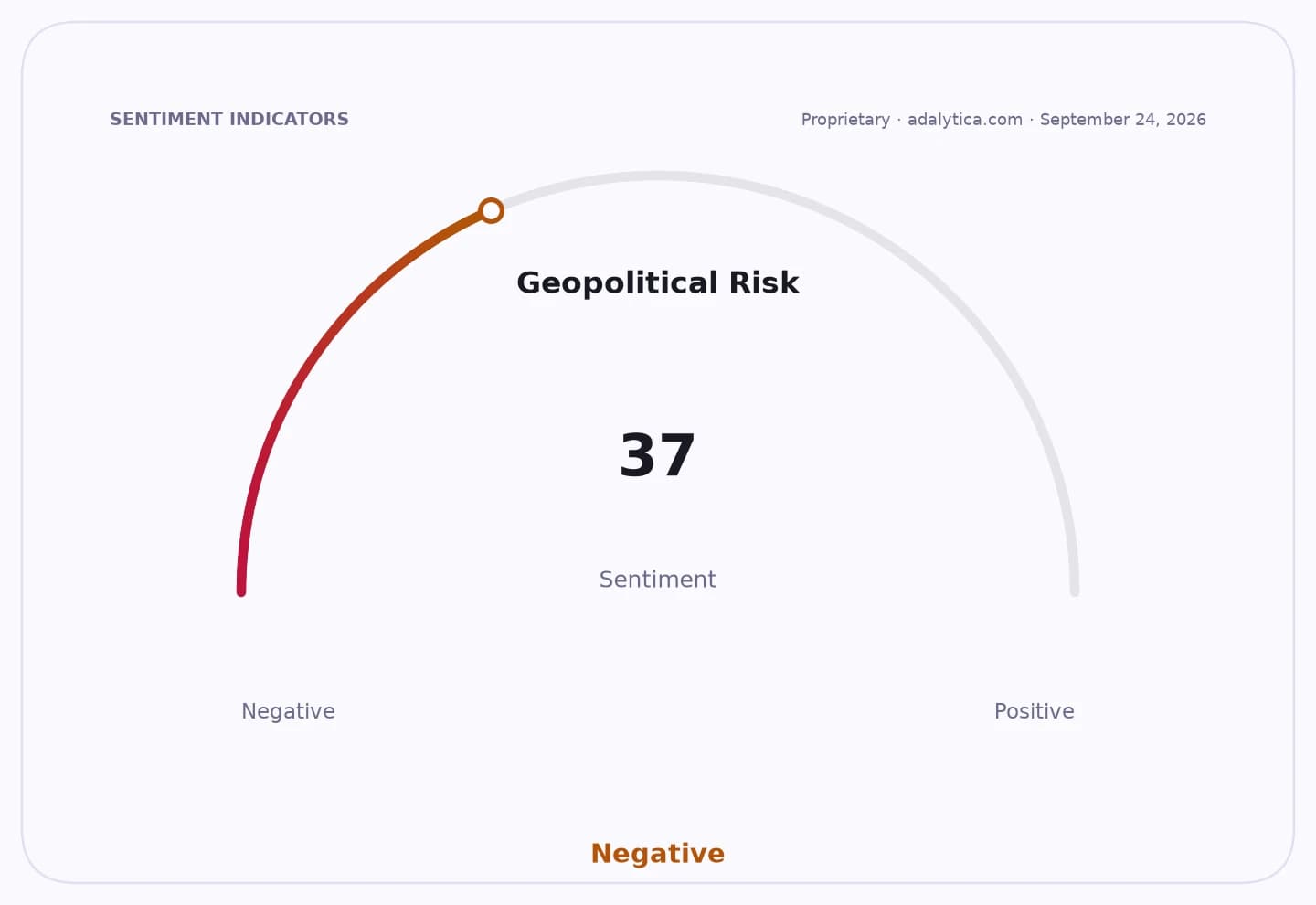
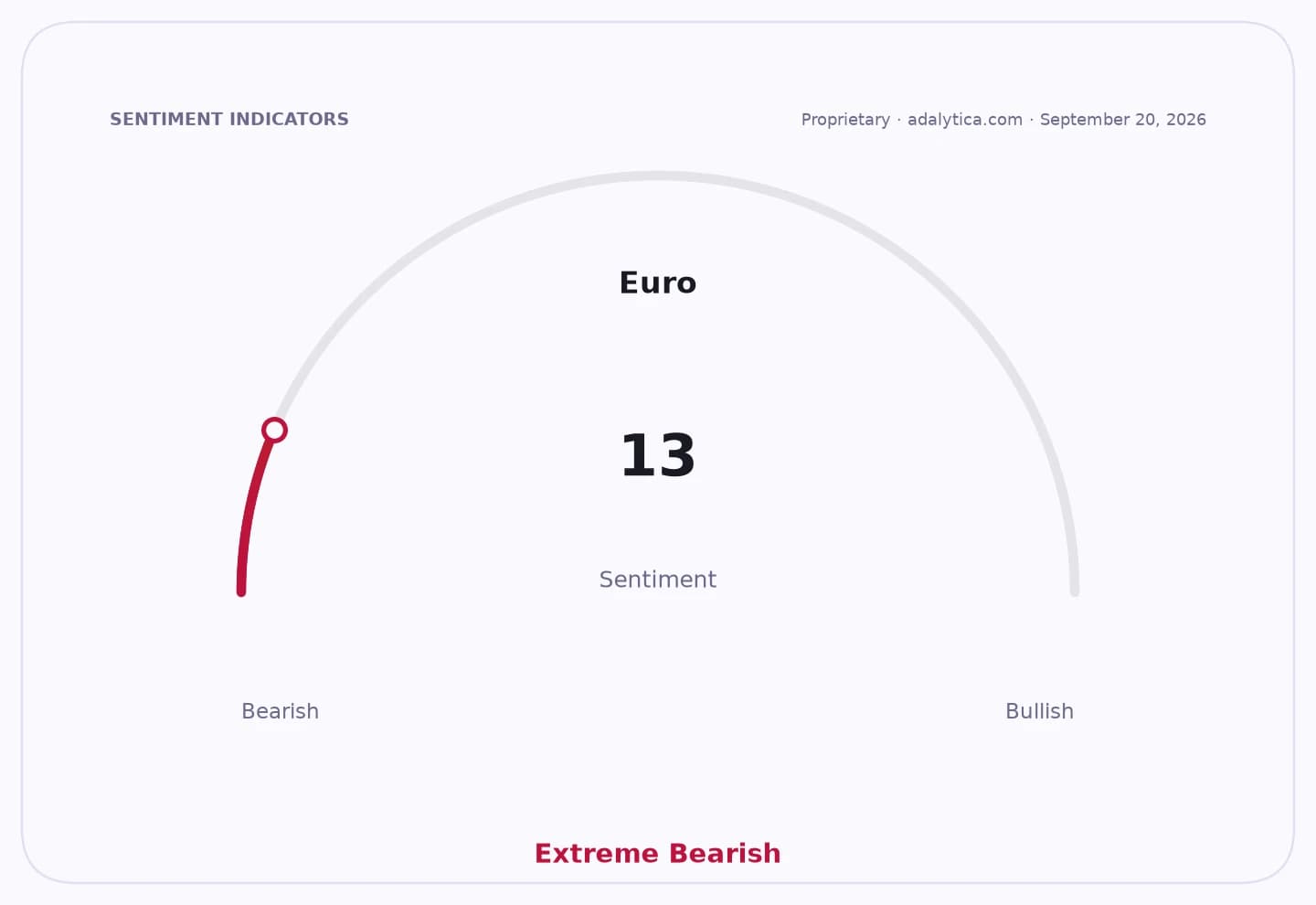
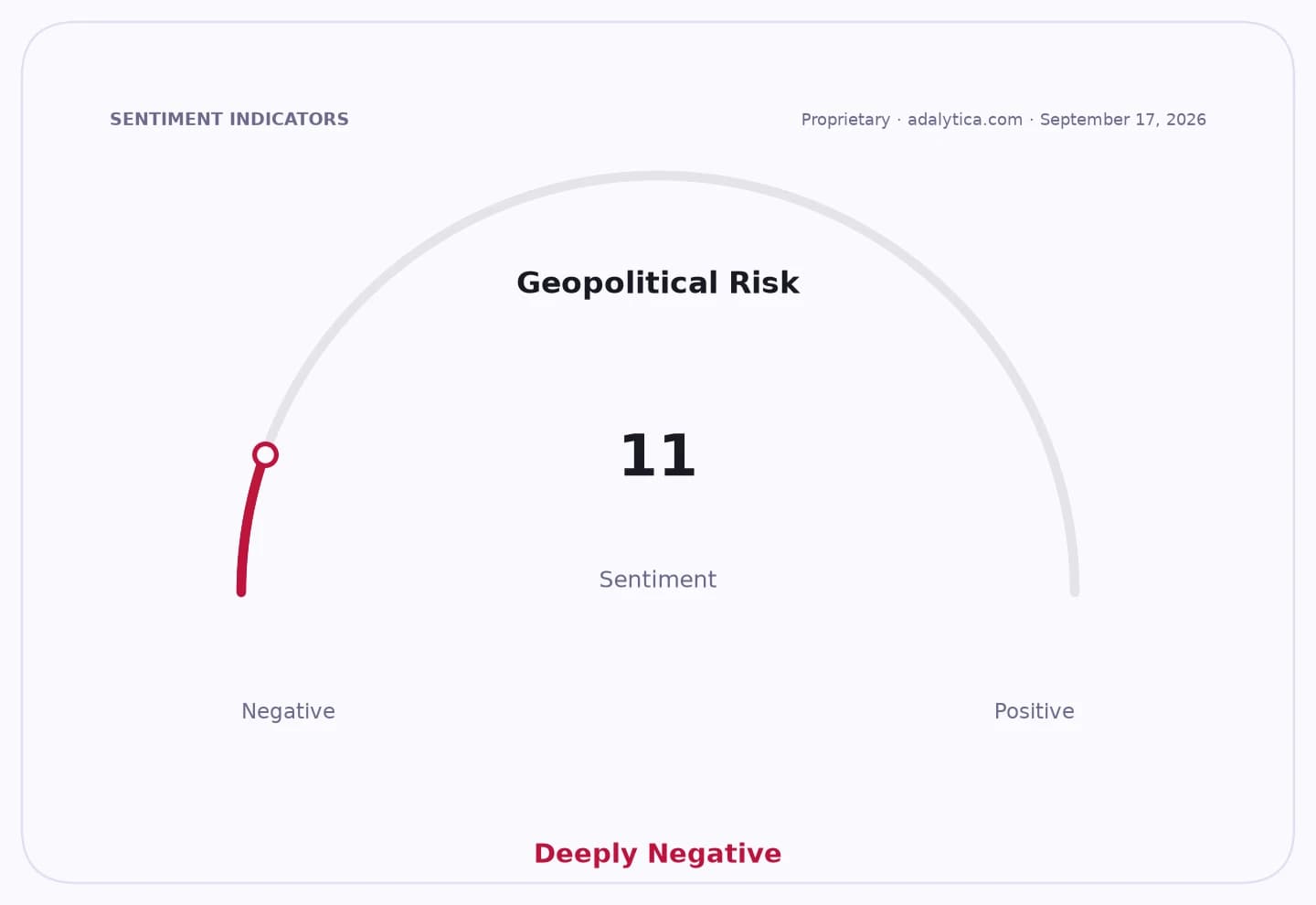
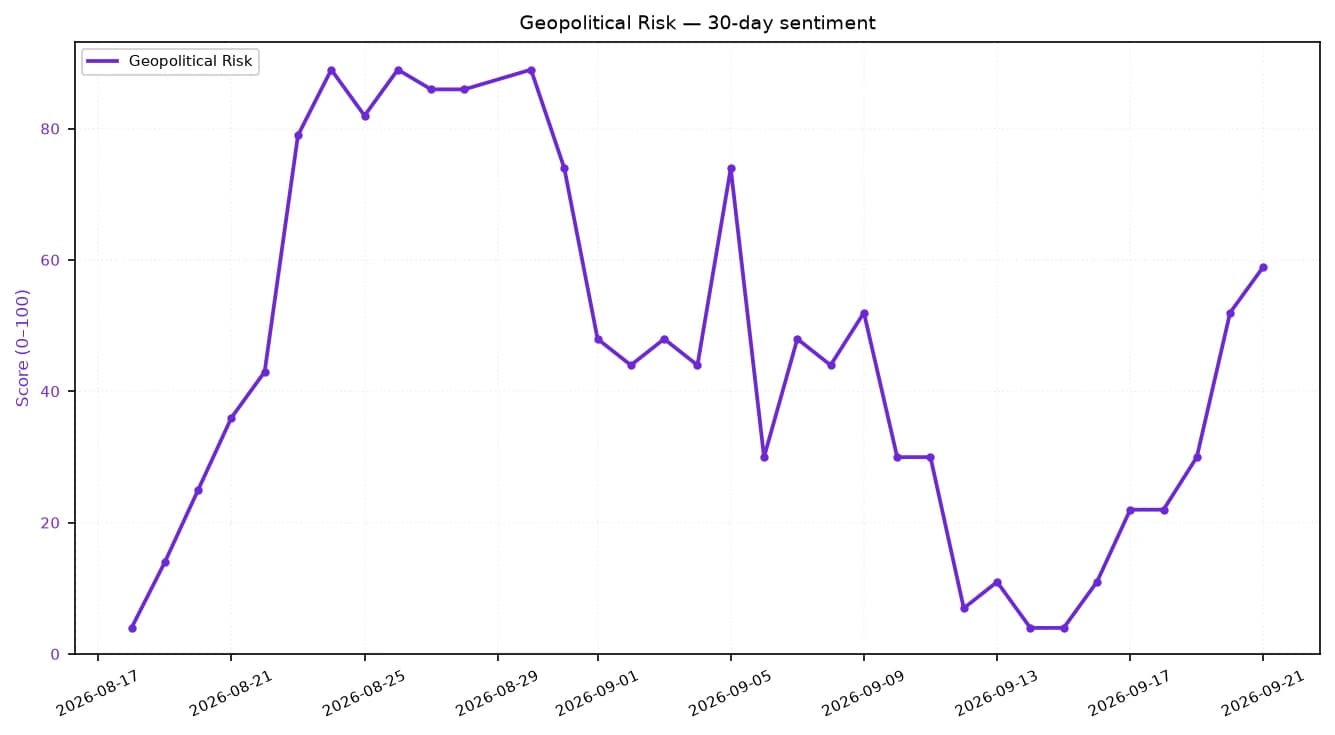
Sentiment IndicatorsⓘProprietary · adalytica.com · September 5, 2026
This is a snapshot — live sentiment, awareness and momentum for 130+ markets update continuously in the dashboard.Open AlphaPulse
For markets, the immediate read-through is not a sudden policy shock from a state government. Saxony-Anhalt cannot set foreign policy or immigration law. But an AfD-led administration would matter because it would turn the party’s program into a live test case: tougher rhetoric on migration, pressure on schools and police, culture-war measures such as limits on LGBTQ flags and changes to curriculum, and a louder push to recast Germany’s political center. That matters for business confidence in a country already wrestling with weak growth, high energy costs and a fragile industrial outlook.
It also matters because the AfD is increasingly torn between two external poles. One faction sees obvious ideological overlap with Trump’s nationalist politics, especially on immigration and “America First” messaging. Alice Weidel has met Vice President JD Vance, party figures have courted Elon Musk and attended Trump’s inauguration, while Vance and Secretary of State Marco Rubio have attacked Germany’s mainstream rejection of the AfD. Another faction, however, is wary of Trump’s trade and foreign policy after tariff threats, turmoil around Iran, Greenland and Venezuela, and broader German public hostility toward Washington has deepened.
That split has direct economic implications. The AfD wants to revive cheap Russian gas and halt support for Ukraine, positions that would aggravate Europe’s energy and security risk premium if they ever translated into national policy. Yet some of its leaders are already signaling that they cannot blindly align with Trump if he is willing to impose tariffs or otherwise push up costs for German exporters. As one AfD foreign policy spokesman put it, it would be “a bit weird” to expect Trump to protect German interests.
The investor angle is less about a near-term selloff in German assets than about the creeping normalization of political fragmentation. Germany’s economic model depends on export openness, stable institutions and predictable coalition politics. An AfD breakthrough in Saxony-Anhalt would not change federal law, but it would reinforce the idea that protest politics is no longer confined to polling numbers. That could keep a lid on domestic investment sentiment, complicate policymaking in Berlin and add another layer of uncertainty to a euro area already facing slower growth and higher geopolitical risk.
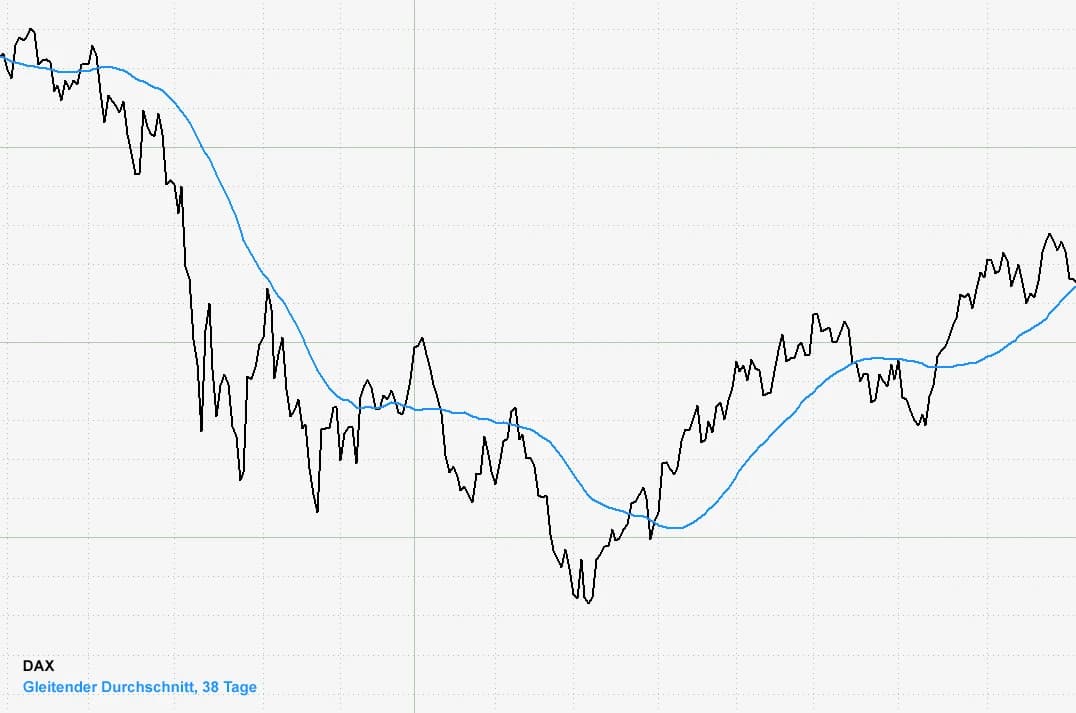
The reaction in German assets has so far been restrained, with the iShares MSCI Germany ETF still trading above both its 50-day and 200-day moving averages and the euro holding recent gains. But those technical signals say more about a market that has not yet priced a systemic shift than about political risk disappearing. If the AfD turns a state election lead into power, investors will have to reassess not just German coalition arithmetic but the durability of the firewall that has kept Europe’s far right out of office for decades.
| Entity | Gains | Losses |
|---|---|---|
| AfD | ▲state power, legitimacy | ▼isolation from mainstream parties |
| Mainstream German parties | ▲firewall leverage, coalition control | ▼voter erosion, policy pressure |
| German exporters | ▲none immediate | ▼higher policy uncertainty |
| Trump-aligned AfD faction | ▲transatlantic visibility | ▼exposure to tariff risk |