Ulrich Siegmund is now close enough to power that Germany’s investors, policymakers and voters have to treat Saxony-Anhalt as more than a local election story.
AfD's Siegmund Nears Saxony-Anhalt Power Bid

The far-right Alternative für Deutschland candidate is polling well ahead of next month’s regional vote in the eastern state, raising the prospect that for the first time in the postwar era, an extremist party could lead a German region. That would matter far beyond Magdeburg. A victory on Sept. 6 would hand the AfD a governing laboratory in a country that has spent generations building political guardrails against the far right, and it would embolden a party that is already trying to normalize harder positions on immigration, education and Russia.
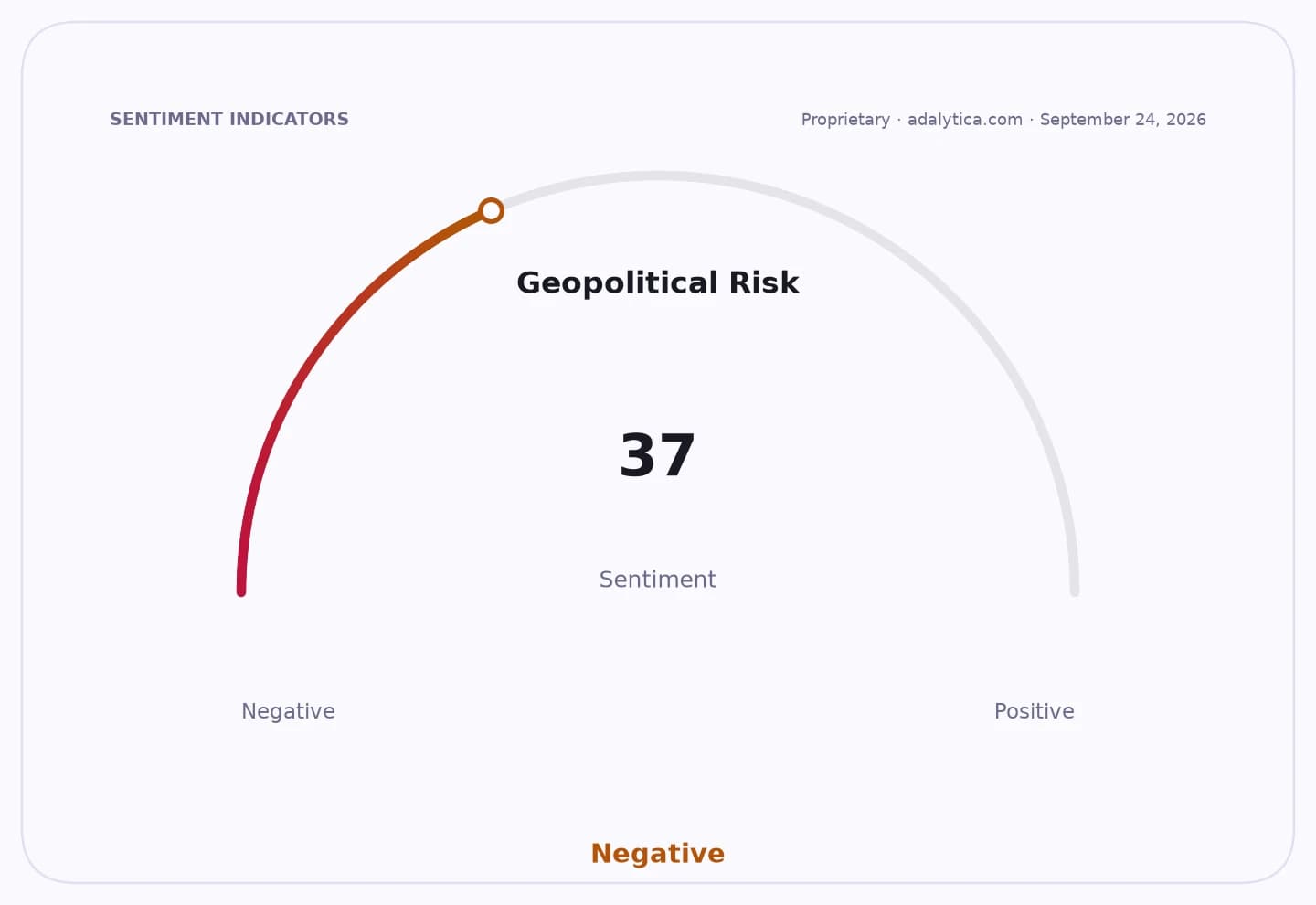
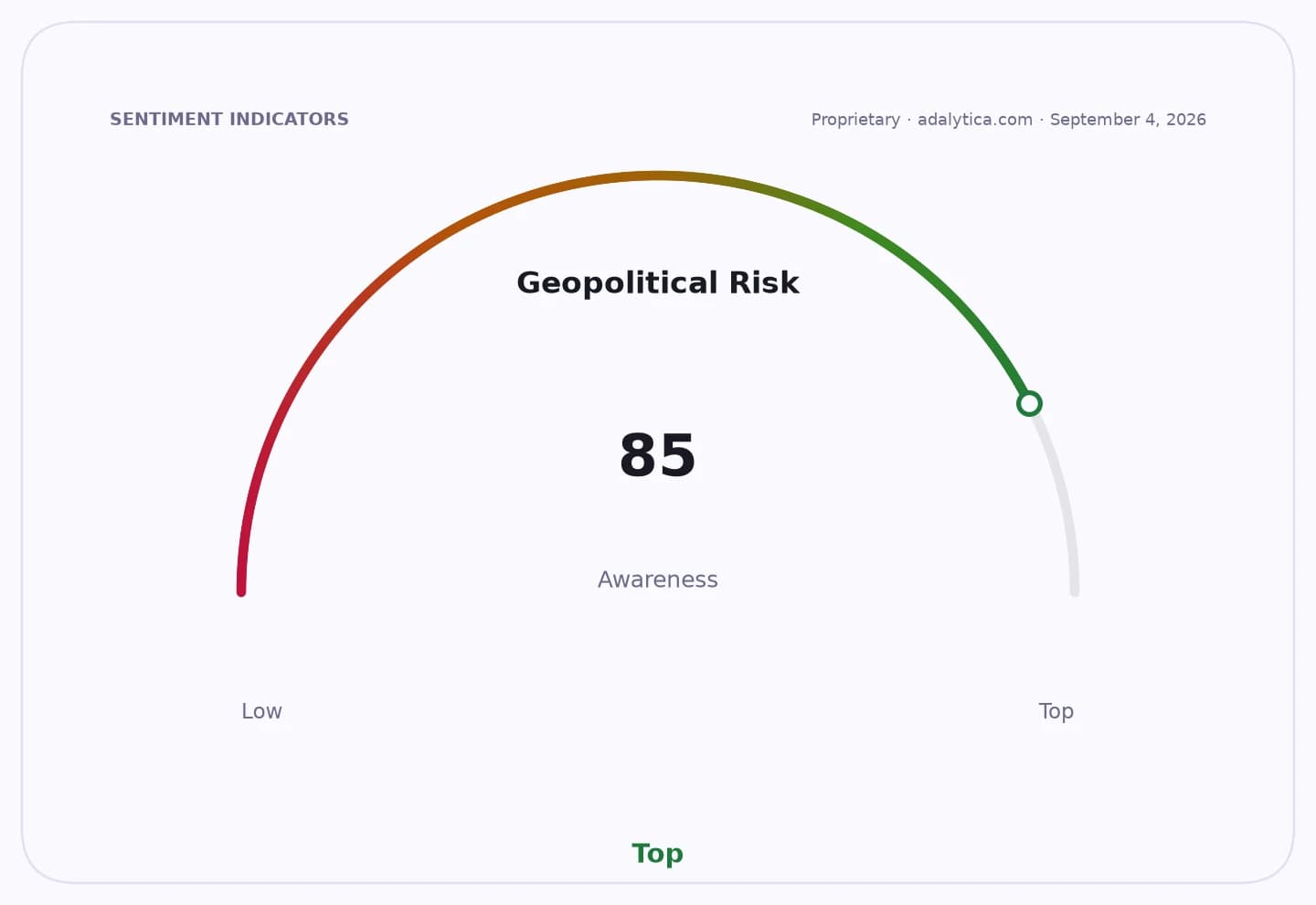
Sentiment IndicatorsⓘProprietary · adalytica.com · September 5, 2026
This is a snapshot — live sentiment, awareness and momentum for 130+ markets update continuously in the dashboard.Open AlphaPulse
For markets, the immediate impact is less about one regional administration than the broader political direction of Europe’s largest economy. Germany’s business climate, investment decisions and labor supply all depend on policy stability, predictable migration rules and a pro-European consensus. Siegmund’s platform points in the opposite direction. He wants expulsions “from the first minute,” closer alignment with U.S.-style immigration enforcement, and school policy that would exclude refugee children and pupils with disabilities from mainstream classes. He also wants more Russian language teaching and renewed school exchanges with Russia, even as the war in Ukraine continues to reshape European security.
That is why this election matters economically even if many of Siegmund’s proposals would collide with federal law or fall outside the authority of the Länder. Regional politics in Germany often serve as a runway for national change, especially when they give fringe parties legitimacy, visibility and a governing record. If Saxony-Anhalt were to become an AfD showcase, it could influence coalition math, pressure centrist parties further to the right on migration, and deepen already fragile investor concerns about social cohesion and policy continuity.
The rhetoric alone is enough to move sentiment. Der Spiegel has called Siegmund “the most dangerous man in Germany,” and his campaign has been built around image management as much as ideology. But the substance is what makes him dangerous politically: the AfD is no longer just testing boundaries, it is trying to turn radical positions into a regional governing model. That is the real story for long-term investors. Political fragmentation in Germany does not show up on a balance sheet overnight, but it can affect everything from public spending priorities to workforce availability and foreign investment confidence.
The broader takeaway is simple: Saxony-Anhalt is becoming a stress test for how far Germany’s political center can hold. If Siegmund wins, the symbolism will be huge, but the practical consequences could be even larger over time as the AfD uses any regional power as proof that its brand of politics can govern. Investors should watch the vote closely, not because it changes quarterly earnings, but because it could mark another step in Europe’s slow drift toward more volatile, less predictable politics.
| Entity | Gains | Losses |
|---|---|---|
| AfD / Ulrich Siegmund | ▲Legitimacy and power | ▼Political isolation |
| Saxony-Anhalt voters | ▲Policy attention | ▼Centrist stability |
| German centrist parties | ▲Pressure to respond | ▼Room to ignore AfD |
| Investors in Germany | ▲Clarity on political risk | ▼Policy predictability |