Africa’s corporate bond markets are still too thin to absorb the financing needs of the region’s businesses, and that matters because weak local debt markets leave companies and governments more exposed to expensive foreign borrowing, refinancing squeezes and sudden confidence shocks.
Africa Corporate Bond Markets Too Thin for Financing
That is the core message from the OECD, and it lands at a sensitive moment. Senegal is already wrestling with a worsening debt burden that is starting to disrupt essential services, including electricity supply in Dakar, while Moody’s has warned about rising default risk. Similar strains are visible across other developing economies, including Mozambique and Kenya, underscoring how quickly high debt costs can turn from a macro problem into a real-economy problem.
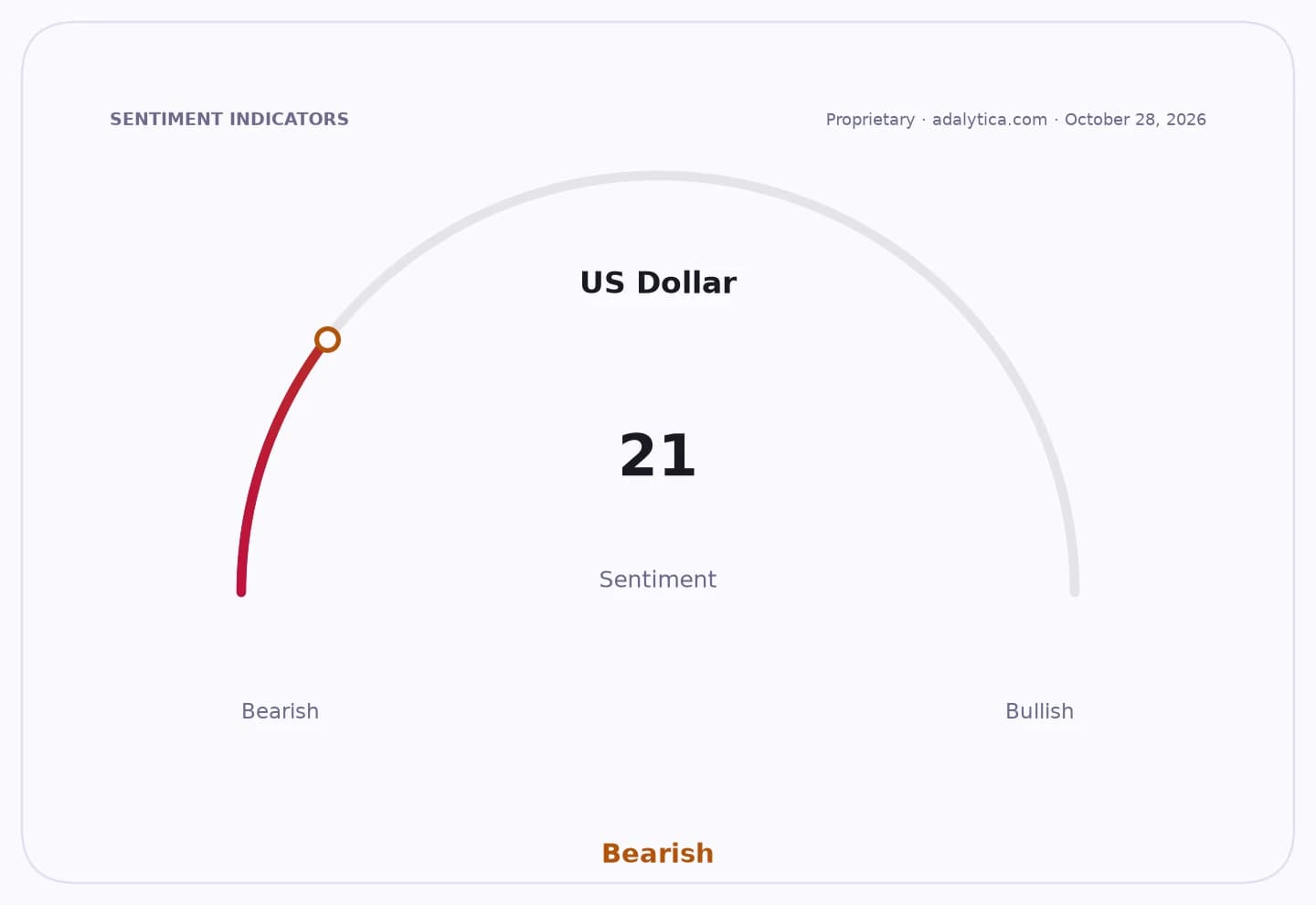
Sentiment Indicators
For investors, shallow corporate debt markets mean fewer reliable funding channels and more dependence on banks, sovereign support or overseas capital. In practice, that can raise the cost of capital for African issuers, limit the pace of investment and make credit cycles more volatile. When local bond markets are underdeveloped, even solid companies can struggle to refinance on reasonable terms when global yields rise or the dollar strengthens.
That global backdrop is not helping. U.S. 10-year Treasury yields are around 4.8%, the Fed funds rate is near 3.9%, and high-yield credit spreads remain above 3.3 percentage points, all signs that borrowing conditions are still tight by historical standards. Adalytica’s trade signals also show extreme greed in the dollar, which often makes external debt service more painful for emerging markets with dollar liabilities.
The long-term investment takeaway is straightforward: Africa needs deeper domestic capital markets if it wants more stable growth, more local-currency financing and less crisis-prone borrowing. Until that happens, the region’s corporate issuers will remain vulnerable to the same old problem — too much debt, and not enough places to finance it at home.
| Entity | Gains | Losses |
|---|---|---|
| Local bond investors | ▲Scarce-yield opportunities | ▼Higher default risk |
| African corporates | ▲Potential market reform | ▼Thin financing channels |
| Governments such as Senegal | ▲Push for deeper markets | ▼More fiscal pressure |
| Foreign creditors | ▲Stronger bargaining power | ▼Higher exposure to restructurings |