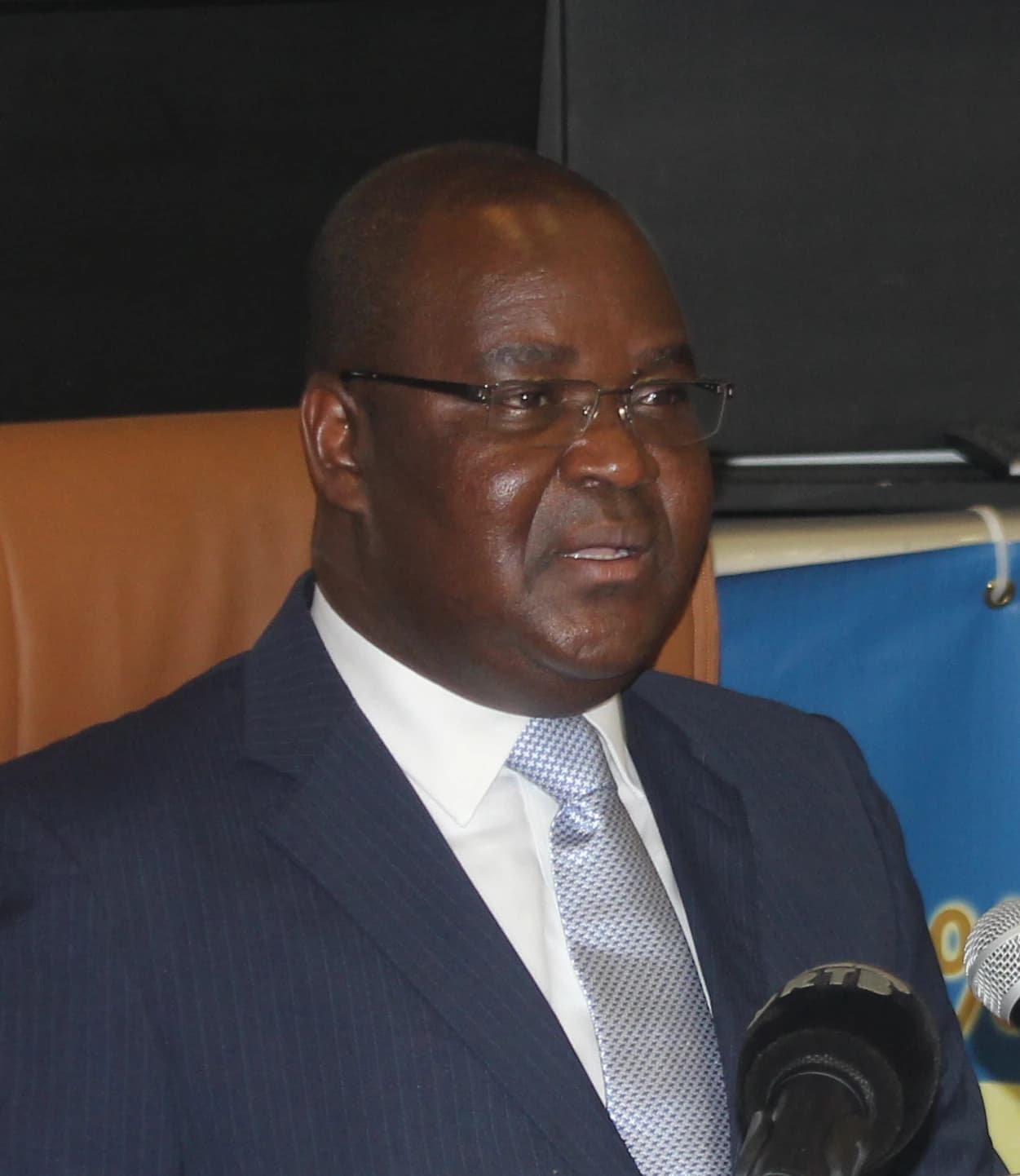
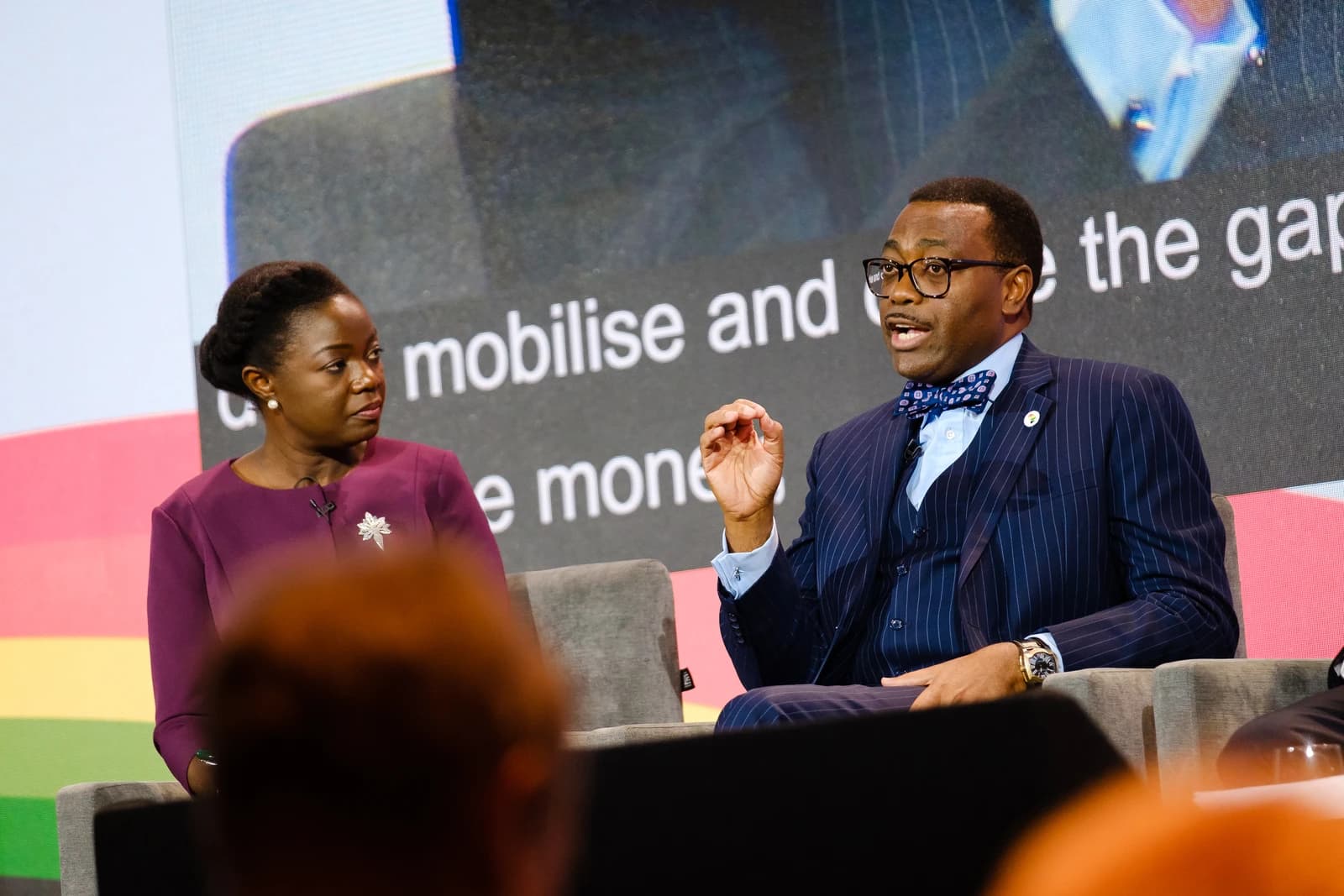
Senegal’s finance debate has sharpened into a test of credibility for the new government, with Finance Minister Cheikh Diba defending a more conservative reading of the country’s fiscal and financing needs against Prime Minister Ousmane Sonko’s broader political narrative on growth, energy and market access.
Senegal Finance Ministry vs Sonko on fiscal outlook
That matters because Senegal is still trying to restore investor confidence after years of rising borrowing costs, tighter external financing conditions and persistent pressure on public accounts. The argument is not just about accounting. It goes to the heart of whether Dakar can fund power projects, refinance debt on acceptable terms and keep access to domestic and international capital markets open as development spending rises.
Sentiment Indicators
For investors, the immediate question is whether the government can present a single, coherent macroeconomic framework. Any split between the finance ministry and the political leadership raises the risk of policy slippage, slower disbursement of projects and higher risk premiums on sovereign paper. In frontier markets, credibility is often the cheapest form of financing; once it erodes, bondholders and local lenders demand compensation quickly.
Energy is central to that calculation. Senegal’s growth ambitions depend on bringing down power costs and expanding supply, but those gains require upfront capital and stable financing channels. If fiscal targets are relaxed to accommodate social or political priorities, the trade-off is likely to be higher debt service costs, less room for infrastructure spending and more pressure on the currency and external accounts.
The market backdrop underscores how sensitive investors are to policy clarity. U.S. Treasury yields remain near 4.8%, keeping global borrowing conditions restrictive, while West African sovereigns continue to face a premium for political and execution risk. In that environment, any sign that fiscal discipline is weakening can quickly feed through to higher yields, weaker demand at auctions and tighter bank financing for domestic issuers.
The broader narrative is one of competing priorities inside a government that needs both growth and austerity: Sonko’s political messaging leans toward faster economic transformation and visible investment, while Diba’s figures suggest a narrower fiscal envelope. How that tension is resolved will shape Senegal’s ability to fund energy expansion, roll over debt and preserve access to capital markets over the next year.
For investors, the key catalysts are the next budget presentation, any revision to financing assumptions and whether the government can keep its messaging aligned before rating agencies and creditors. If the numbers converge, Senegal could retain a workable funding path. If they diverge further, the cost of capital is likely to rise.
| Entity | Gains | Losses |
|---|---|---|
| Cheikh Diba / Finance Ministry | ▲Fiscal credibility | ▼Political flexibility |
| Ousmane Sonko / Government base | ▲Growth messaging | ▼Budget discipline narrative |
| Senegal sovereign borrowers | ▲Lower yields if unity holds | ▼Higher risk premium if split widens |
| Energy project developers | ▲Better funding access | ▼Slower approvals if financing tightens |