Senegal tapped the regional debt market again on Friday, raising 55 billion CFA francs as investors showed enough appetite to cover the sale by nearly 1.4 times, a sign the country can still finance itself even as borrowing costs remain elevated across global bond markets.
Senegal raises 55 billion CFA in regional bond sale
That matters because sovereign funding is the lifeblood of public spending, and the more easily Senegal can roll over debt, the more room it has to keep projects, salaries and social programs moving without turning to more expensive or disruptive financing. The auction also tells investors that West Africa’s regional bond market remains functional at a time when many governments are being forced to pay up for money.
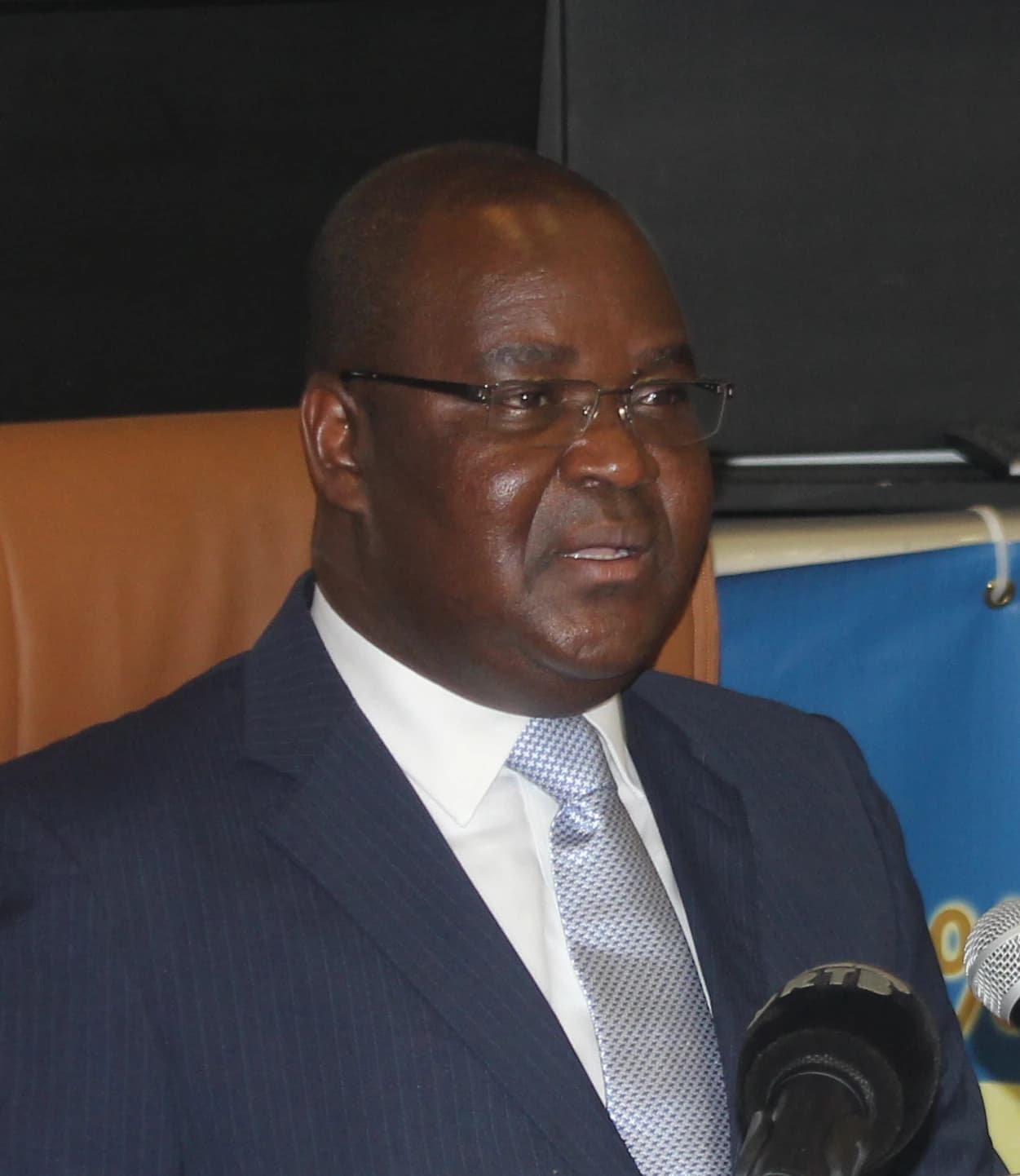
Sentiment Indicators
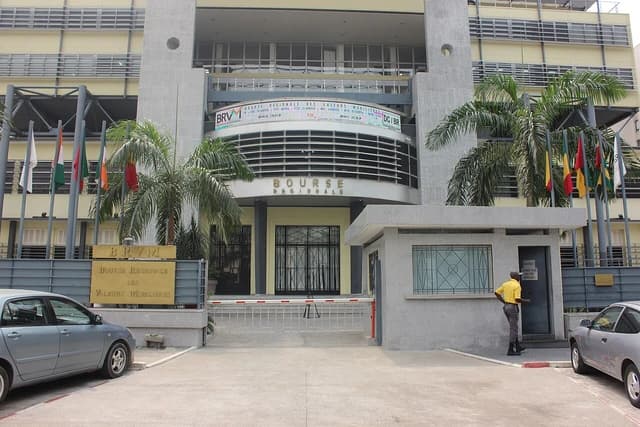
The Treasury had sought 50 billion CFA francs and received 69.372 billion in bids, leaving it able to choose the best offers and ultimately retain 55 billion. The sale, run with UMOA-Titres, included a one-year Treasury bill and five-year and seven-year government bonds, giving the state a mix of short and medium-term funding. Senegal has now returned repeatedly to the market, following a 74.377 billion CFA franc raise earlier in October and a 157 billion CFA franc auction in late September.
For long-term investors, the key point is not just that Senegal borrowed again, but that demand was strong enough to let the government raise slightly more than planned. That suggests regional investors still see Senegalese debt as financeable, even if the country must keep proving that confidence with each new auction. In practical terms, consistent access to local-currency funding can reduce refinancing risk and help avoid more painful choices later, such as sharper spending cuts or costlier external borrowing.
The backdrop is still one of tighter credit conditions. Global sovereign yields have been rising, and that tends to ripple through to domestic and regional borrowing costs. In that environment, a covered auction is a positive sign, but not a free pass. Senegal will need to keep balancing its financing needs against the cost of debt service, especially if it continues issuing at pace.
For investors, the story is ultimately about resilience. Senegal is showing it can keep funding itself in the regional market, and that is an important credit signal. The next question is whether that demand holds if rates stay high and the state remains a frequent borrower. For now, this looks like a market worth watching, not fleeing.
| Entity | Gains | Losses |
|---|---|---|
| Senegal Treasury | ▲Raises needed funding | ▼Takes on more debt |
| Investors in UMOA debt | ▲Access to sovereign yield | ▼Face rate and credit risk |
| UMOA-Titres / regional market | ▲Higher activity and liquidity | ▼More supply pressure on prices |
| Taxpayers / future budgets | ▲Near-term funding continuity | ▼Future interest burden |