Senegal’s rejection of its 2026 supplementary budget threatens to delay a $2.2 billion IMF program, complicate debt restructuring talks and deepen near-term liquidity pressure on the government.
Senegal budget rejection may delay IMF program
The vote by the National Assembly comes at a sensitive moment for one of West Africa’s most closely watched sovereign credit stories. The budget law was supposed to help align fiscal policy with the conditions attached to the staff-level IMF agreement signed on Sept. 1, a step lenders and creditors view as essential before fresh disbursements and any broader debt treatment can move forward.
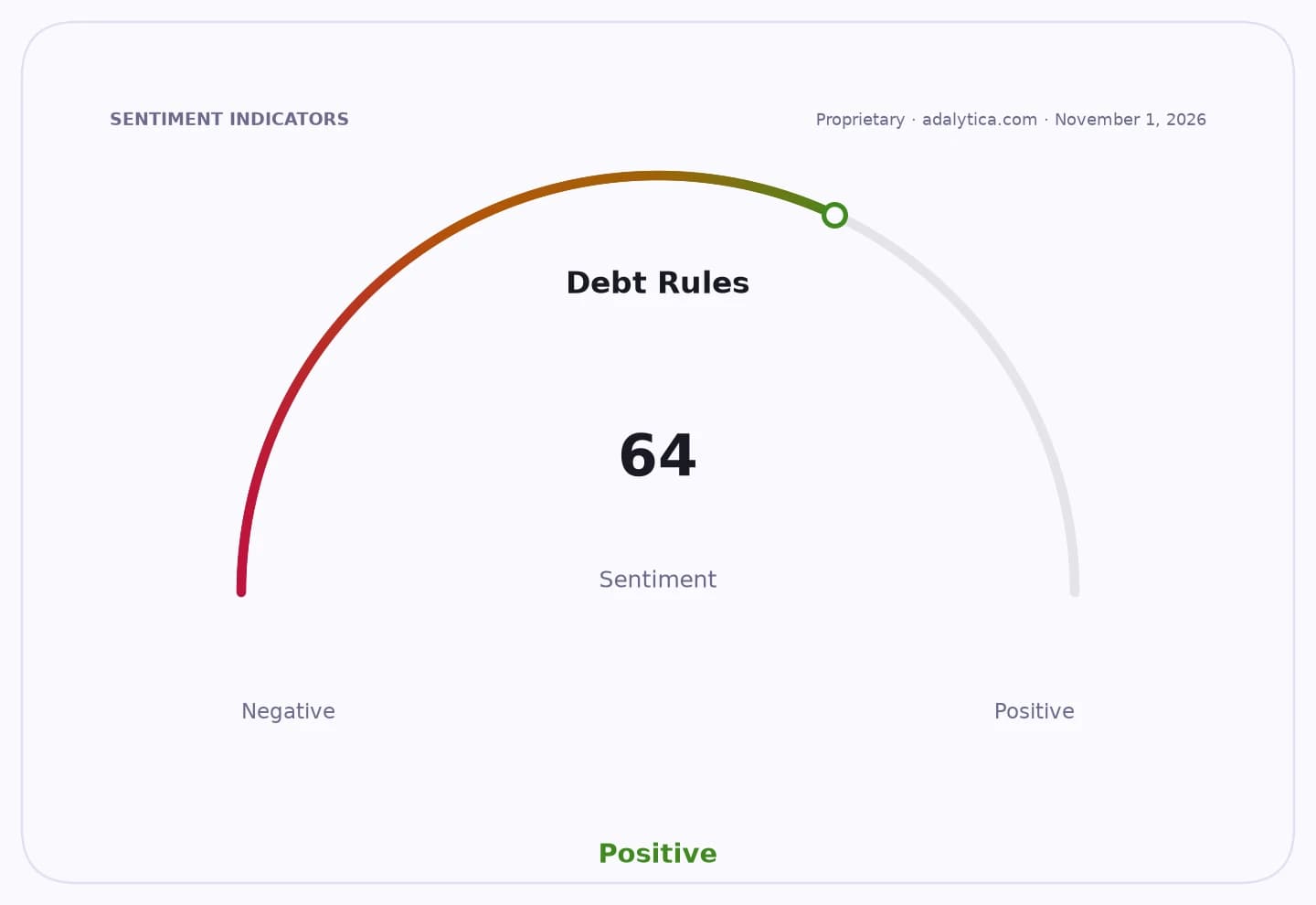
Sentiment Indicators
The Fund had already warned that parliamentary backing for the government’s main fiscal measures was critical. Julie Kozack, the IMF’s communications director, said last week that a budget aligned with the program’s parameters was “essential” for Senegal to continue with the Fund-backed plan, which aims to restore debt sustainability, protect vulnerable households and preserve priority public spending.
That matters because the country is already tapping the regional market at elevated rates to cover financing needs. Moody’s flagged on Oct. 29 that a failure to secure parliamentary approval of core IMF-linked measures could delay final program approval and later disbursements, worsening short- and medium-term liquidity tensions.
Debt Rules
The rejection also complicates negotiations with creditors, who typically want a clear, vote-backed budget framework before agreeing to any restructuring terms. Without that legal basis, investors and lenders may question whether Senegal can deliver the fiscal adjustments underpinning debt servicing, raising the risk premium on any future borrowing.
For investors, the immediate issue is not just whether the IMF deal survives, but whether Senegal can avoid a financing squeeze while political resistance persists. The episode puts the country’s sovereign bonds, regional funding costs and access to external support under pressure until the government finds a way to restore legislative backing or secure alternate assurances.
The next focus is whether President Bassirou Diomaye Faye’s government can use other legal tools to push the fiscal package through and preserve the IMF track. Until then, the rejection leaves Senegal with a weaker negotiating position and a higher chance of delays in both program approval and cash disbursement.
| Entity | Gains | Losses |
|---|---|---|
| Senegal government | ▲possible leverage to revisit terms | ▼budget certainty, financing access |
| IMF | ▲stronger push for fiscal compliance | ▼quicker program approval |
| Creditors/bondholders | ▲clearer reform path if deal revived | ▼higher restructuring uncertainty |
| Domestic households | ▲protection if spending priorities are preserved | ▼tighter fiscal conditions and delays |