African LNG exports are accelerating just as geopolitical risk is forcing buyers to pay more for supply security, underscoring the continent’s growing importance in a tighter, more fragmented gas market.
African LNG Gains as Geopolitical Risk Reshapes Trade
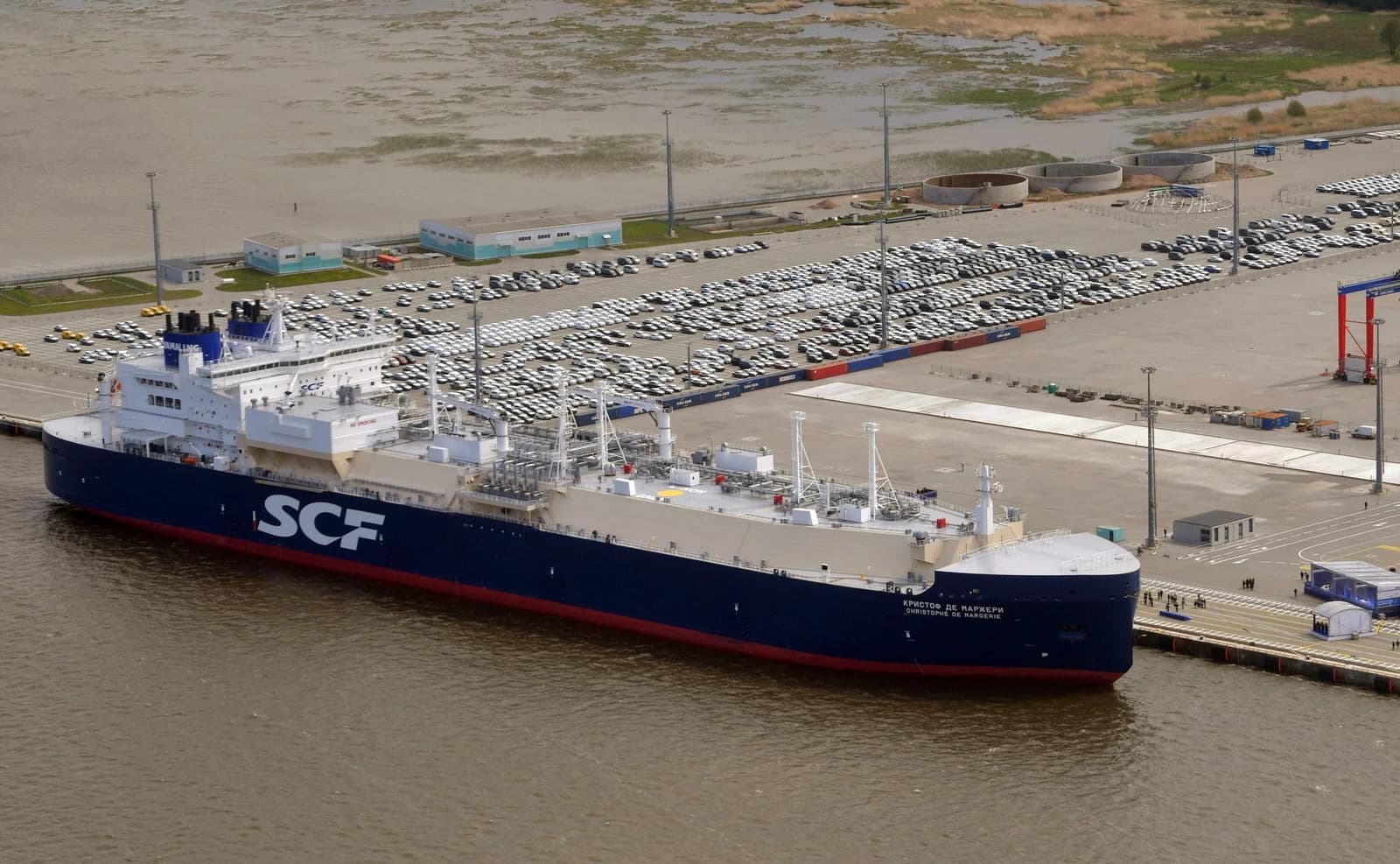
The immediate significance is not just that shipments are rising, but that Africa is becoming more relevant to a market where disruption risk is pushing up prices and redirecting trade flows. With Asian LNG spot prices jumping 10% on heightened fears around the Hormuz crisis, and Japan lifting imports from Russia by 52% to a three-month high, buyers are clearly prioritizing availability over politics. In that context, a 23% increase in African LNG exports points to a broader reordering of supply as importers look beyond the most exposed routes and producers.
Sentiment IndicatorsⓘProprietary · adalytica.com · July 25, 2026
This is a snapshot — live sentiment, awareness and momentum for 130+ markets update continuously in the dashboard.Open AlphaPulse
For the global economy, higher African exports add one of the few incremental supply sources available at a time when LNG demand remains strategic and inventories, shipping and geopolitics are all pulling in different directions. The continent cannot replace the largest exporters, but it can help ease pressure at the margin, especially for European and Asian buyers seeking diversification away from riskier corridors. That matters because LNG pricing is increasingly being set not just by demand, but by the cost of resilience.
The market message is similar. The latest move in oil to around $84.98 a barrel and the rise in US Treasury yields to 4.63% suggest investors are still pricing in a mix of inflation risk and geopolitical strain, conditions that typically support energy equities and producers with exposure to global gas trade. LNG-linked names have also been stronger, with Shell, BP and Cheniere all trading above their longer-term averages in recent sessions. Cheniere’s shares rose to $269.72 on Friday from $227.03 a month earlier, while Shell has climbed to $88.38 and BP to $43.82, reflecting confidence that tight gas markets and export growth can support cash flow.
The bullish case for African LNG is straightforward: more supply from a region that is outside the main flashpoints can command a premium, attract long-term contracts and support upstream investment. The bearish case is that export gains can still be constrained by infrastructure bottlenecks, project financing and the same geopolitical uncertainty that is lifting prices in the first place. A surge in trade volume does not automatically mean stable economics if shipping routes, insurance costs or domestic policy change.
The broader narrative is that LNG is becoming less of a simple commodity market and more of a strategic security market. Africa’s export growth fits into that shift, alongside rising Russian flows into Japan and record EU imports of Russian LNG ahead of the bloc’s planned 2027 ban. Investors will be watching whether the African increase is sustained and whether it translates into firmer project economics for exporters, stronger margins for global LNG players and more volatility for buyers exposed to spot prices.
| Entity | Gains | Losses |
|---|---|---|
| African LNG exporters | ▲Higher volumes and pricing power | ▼Execution and financing risk |
| LNG buyers in Europe and Asia | ▲More supply diversification | ▼Still face elevated spot prices |
| Cheniere, Shell, BP | ▲Stronger LNG-linked cash flow | ▼Margin pressure if volatility eases |
| Geopolitically exposed suppliers | ▲Demand for alternatives | ▼Market share risk |