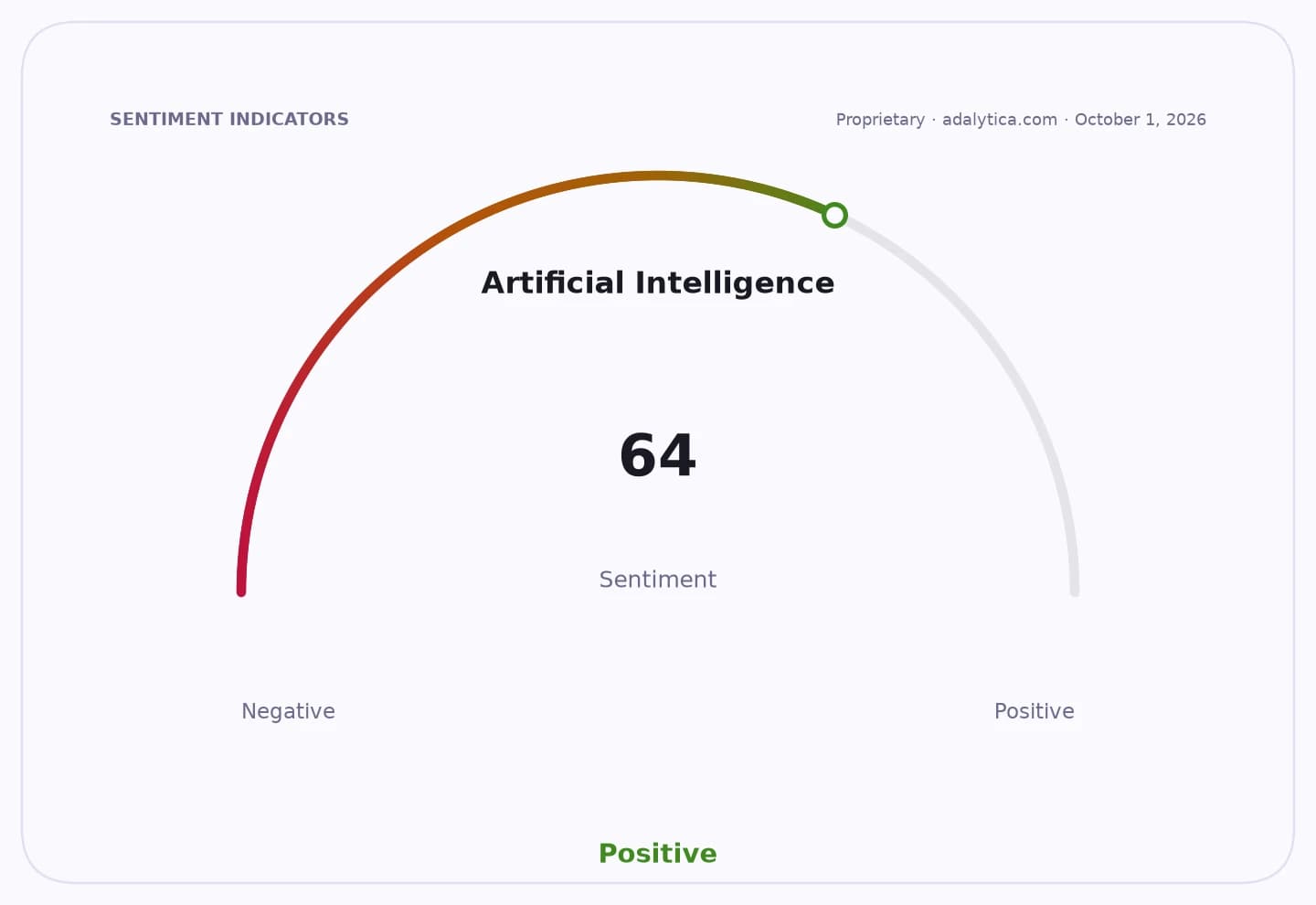
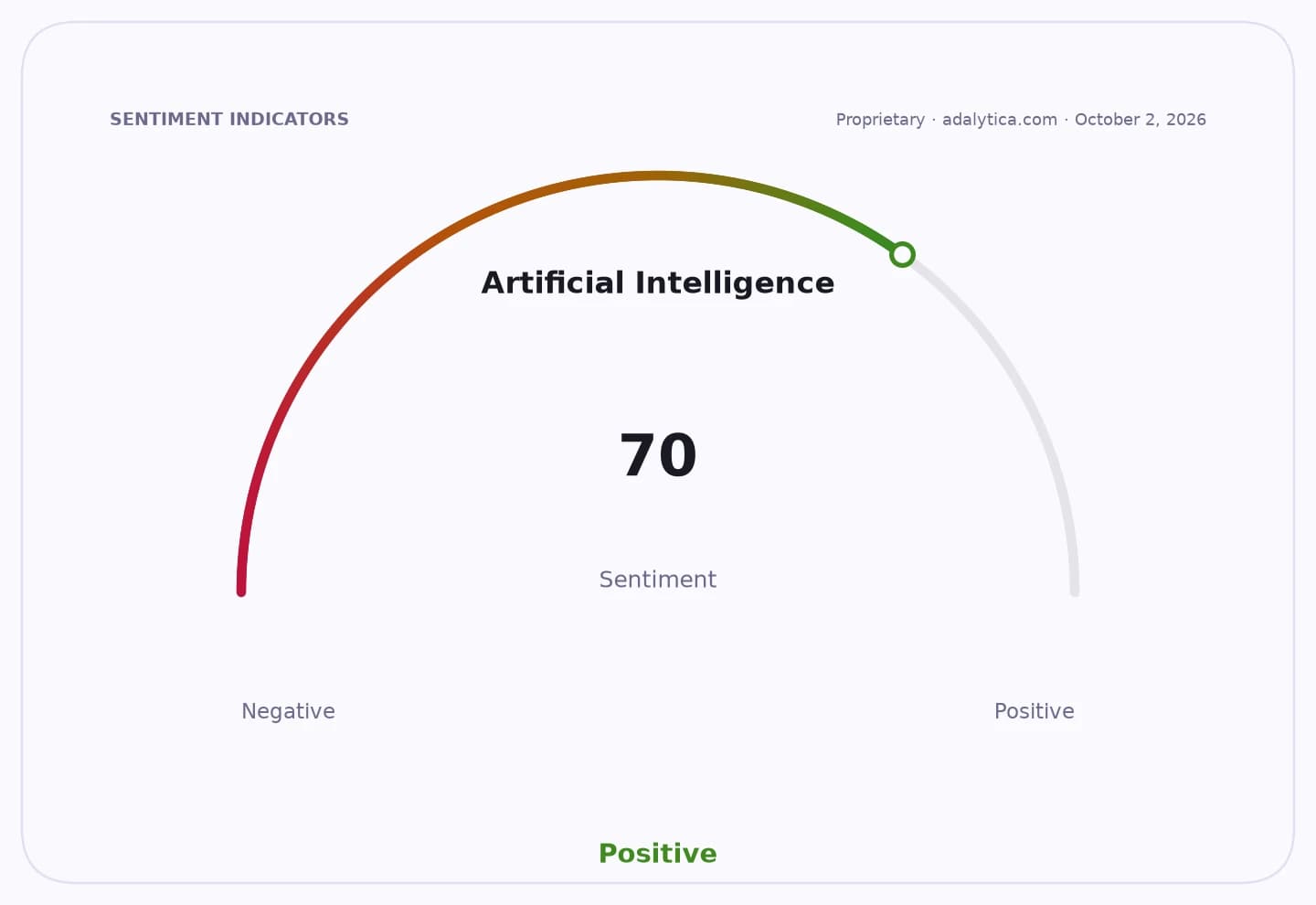
AI agents are quietly turning company documentation into one of the most important assets in the artificial intelligence economy, and most businesses are still treating it like an afterthought.
AI agents drive more documentation traffic than humans

That’s the big shift behind a new pattern on Mintlify’s documentation sites: in August, AI agents made 257 million requests, nearly double the 131 million page loads from humans. The takeaway for investors is simple. As software gets more autonomous, the battle is moving from who writes code to who controls the knowledge those systems trust.
This matters because bad documentation now scales as fast as good documentation. A human developer who sees an outdated setup guide or a pricing page that conflicts with a help center can usually ask a colleague for clarification. An agent can’t. It reads the first authoritative-looking answer it finds, bakes that into code or customer support, and repeats the mistake over and over. That is not just a software hygiene issue; it is an operating risk.
For long-term investors, the implication is that “documentation” is becoming infrastructure. The companies that win in AI won’t just have better models or bigger data centers. They will also have cleaner knowledge systems, tighter links between product changes and support content, and better controls over which source wins when documents conflict. In other words, they will treat company knowledge the way cloud companies treat uptime: as something mission-critical, measurable and constantly maintained.
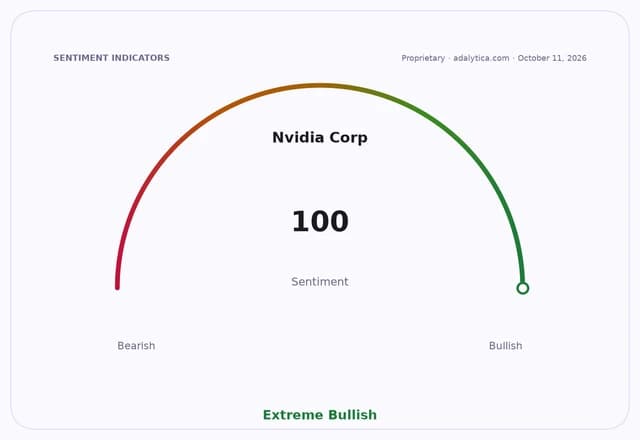
The opportunity is broader than one niche vendor. Microsoft, Alphabet and Nvidia all stand to benefit as AI adoption pushes enterprises to spend more on tools that make models useful in the real world. Microsoft’s Azure and Copilot ecosystem, Alphabet’s search and cloud stack, and Nvidia’s compute platform all grow more valuable when companies can trust the data and instructions their AI systems consume. The same trend also raises the bar for any software company that wants to stay competitive: if its documentation is stale, its AI products will look unreliable no matter how advanced the model is.
There’s also a human angle that should make investors think twice about assuming AI simply replaces workers. The article’s comparison to radiology is apt: AI changed the job, but it didn’t eliminate the profession. It shifted the focus toward higher-value work. Documentation is likely to follow the same path. The winners will not be firms that publish more pages, but those that build knowledge engineering into the product process and use agent activity as a feedback loop.
That creates a long runway for new tooling around content governance, retrieval, policy management and automated updates. It also creates a risk for companies that ignore the problem, because stale documentation is no longer a minor support annoyance. It can become a compounding source of bad product decisions, broken workflows and frustrated customers.
For investors, the lesson is to look beyond the flashy frontier model names and pay attention to the less glamorous plumbing of AI. In the next phase of the boom, the most durable moats may belong to companies that make machine-readable knowledge accurate, current and trusted. That makes this a trend worth watching — and a reminder that in AI, the boring stuff may end up being the most valuable of all.
| Entity | Gains | Losses |
|---|---|---|
| Companies with strong documentation systems | ▲Better AI reliability | ▼Less support friction |
| Companies with stale docs | ▲Less upfront work | ▼More repeated errors |
| Microsoft, Alphabet, Nvidia | ▲More enterprise AI spending | ▼Little directly |
| Enterprises and customers | ▲Better answers, fewer mistakes | ▼Legacy workflows |