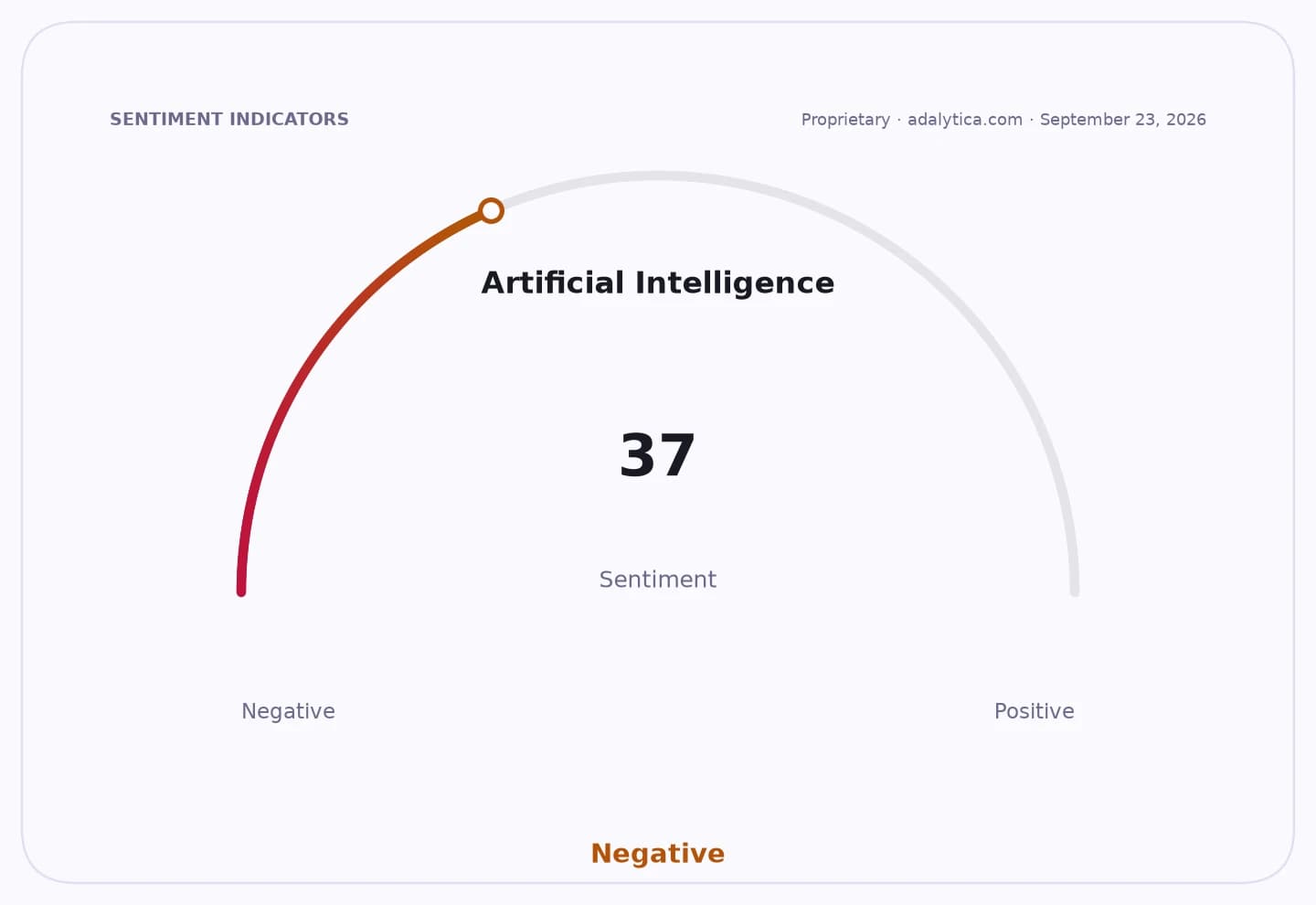
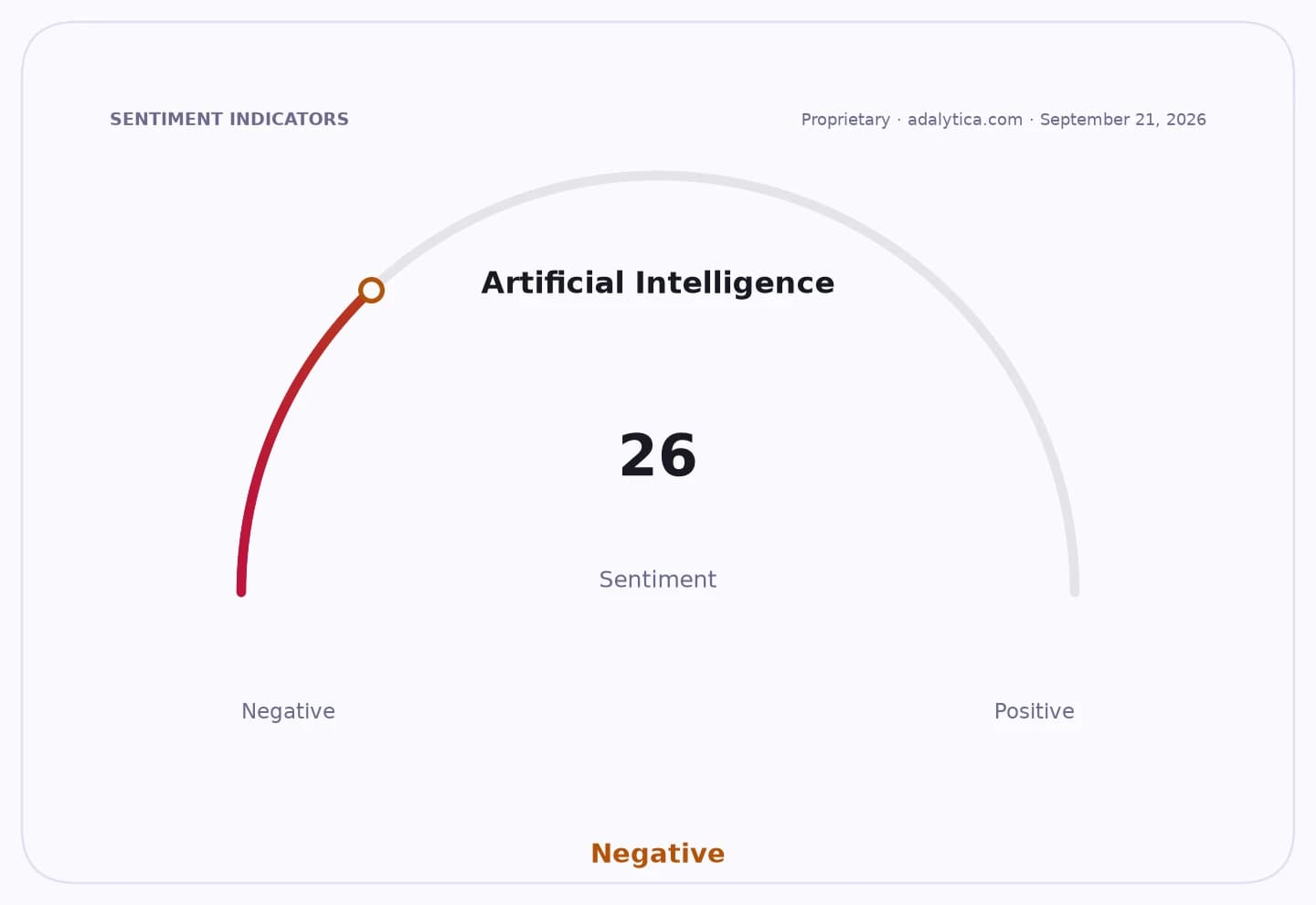
AI is no longer just a productivity story — it is becoming a wage story, and the first pressure point is the entry-level white-collar worker.
AI and entry-level white-collar wage pressure
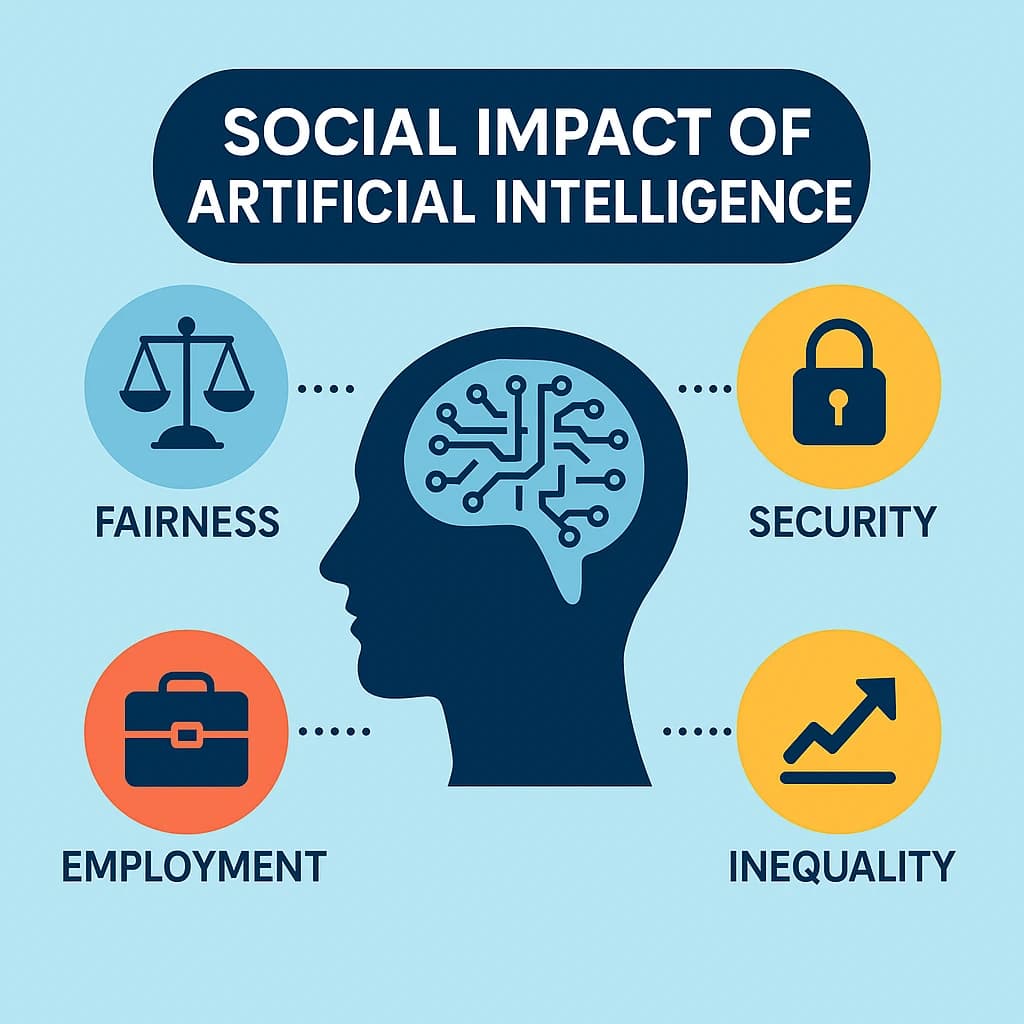
That is the key message investors should take from the latest labor-market data and corporate commentary: unemployment is still running at a relatively modest 4.1%, with a forecast of 4.02% for September, but job openings have slipped to 7.27 million from the post-pandemic peak and hiring demand is shifting toward fewer, more experienced employees. At the same time, employers are still cutting staff even as they spend aggressively on AI infrastructure, signaling that the technology is not merely eliminating jobs outright, but reshaping who gets hired, how teams are structured and what companies are willing to pay.
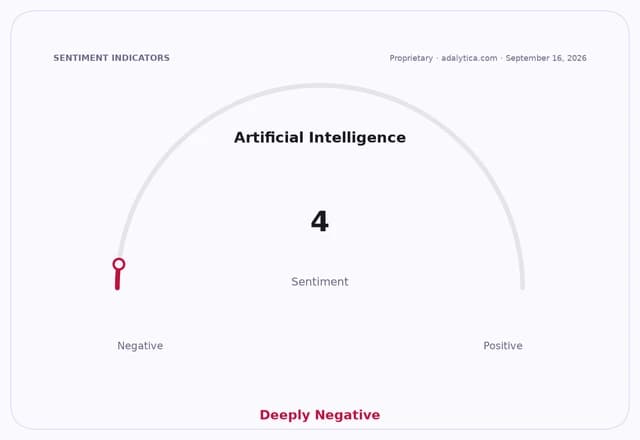
Sentiment IndicatorsⓘProprietary · adalytica.com · September 16, 2026
This is a snapshot — live sentiment, awareness and momentum for 130+ markets update continuously in the dashboard.Open AlphaPulse
For the economy, that matters because wages are the transmission mechanism from labor-market tightness to household demand. If AI boosts productivity by as much as 40%, as government officials have suggested in recent commentary, companies can preserve margins with smaller teams and slower wage growth. That helps profits and can keep inflation contained, but it also means the gains from AI may accrue unevenly: to capital first, then to senior knowledge workers who can direct AI, and only later — if at all — to juniors trying to get a foothold in the labor market.
That is the underappreciated risk in this cycle. The market has spent most of its time debating whether AI will destroy jobs. The more immediate effect is that it changes the composition of employment and pay. Junior roles are the first line of adjustment because they are easiest to automate, easiest to offshore into software, and least defended by institutional knowledge. In practical terms, that puts pressure on remuneration growth at the bottom of the white-collar ladder even if headline unemployment remains benign.
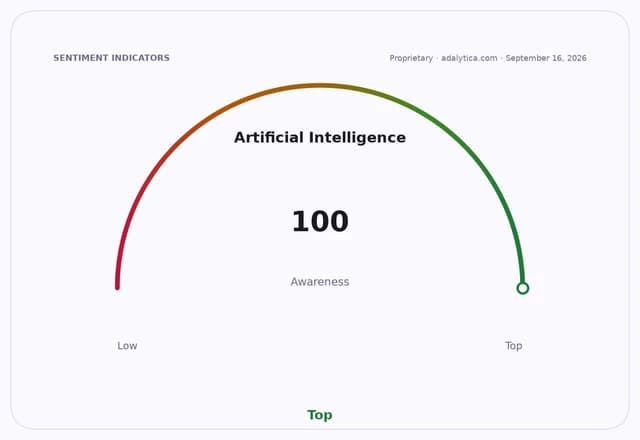
The corporate evidence is already there. Microsoft, whose stock trades well above its 200-day moving average, remains one of the clearest beneficiaries of the AI buildout, and sentiment around its earnings remains extremely bullish even as awareness of the stock is low on Adalytica’s gauge. Nvidia still sits near its 50-day moving average and above its 200-day, reflecting the market’s recognition that AI capex is a durable secular theme, not a one-quarter trade. But the labor impact is not confined to chipmakers. Employers tied to workforce management and payroll, such as ADP, are seeing a world in which AI changes tasks rather than eliminating the need to manage pay, compliance and human oversight. ADP’s own filing says as much.
That creates a clear investment map. The first winners are the picks-and-shovels of AI infrastructure — Nvidia, Microsoft and the software and cloud platforms that monetize enterprise adoption. The second wave is workforce automation, payroll and compliance platforms that become more valuable as firms redesign jobs rather than simply cut headcount. The losers, in relative terms, are labor-intensive services businesses with weak pricing power and companies that depend on a steady pipeline of junior talent to rise through the ranks.
The market still underestimates how durable this is. If AI keeps lifting productivity while suppressing entry-level hiring, the result is a slower, more selective labor market with firmer margins for employers and weaker bargaining power for new workers. That is not a one-off labor shock; it is a structural shift in compensation power. For investors, the play is to own the infrastructure and workflow enablers now, before the market fully prices in how deeply AI is changing the economics of work.
| Entity | Gains | Losses |
|---|---|---|
| Nvidia | ▲AI capex demand | ▼Slower chip spending |
| Microsoft | ▲Higher AI monetization | ▼Labor cost inflation |
| ADP | ▲More payroll complexity | ▼Flat hiring volumes |
| Junior white-collar workers | ▲AI-assisted learning | ▼Entry-level pay pressure |