Global rates are making the AI spending race more expensive, and that is pushing borrowers to look beyond their home markets for cheaper, longer-dated money.
AI Issuers Tap Kangaroo Bonds for Cheaper Funding
The latest twist is the rise of so-called kangaroo bonds — Australian-dollar debt sold by offshore issuers — as a fresh financing outlet for companies and infrastructure groups tied to the artificial intelligence buildout. The appeal is straightforward: investors remain willing to fund the data-center, cloud and power projects that underpin AI, but they are increasingly demanding tighter pricing discipline as benchmark yields stay elevated and credit spreads show pockets of volatility.
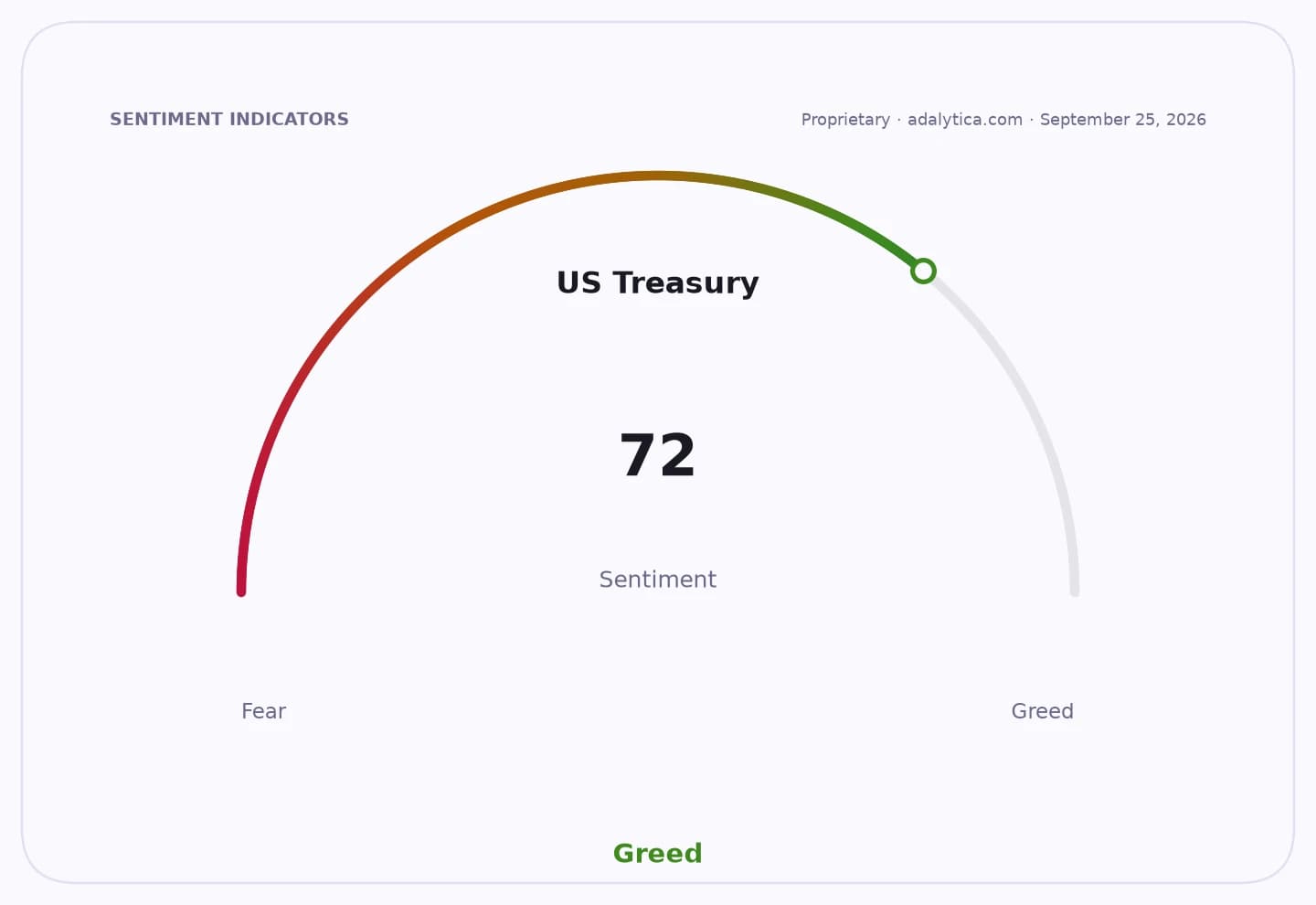
Sentiment IndicatorsⓘProprietary · adalytica.com · August 29, 2026
This is a snapshot — live sentiment, awareness and momentum for 130+ markets update continuously in the dashboard.Open AlphaPulse
That matters because the AI boom is no longer just a story about semiconductor demand and software adoption. It has become a capital-markets story, with the financing burden shifting onto balance sheets and bond markets. In the US, the 10-year Treasury yield has hovered around 4.6% in recent sessions, while the fed funds rate is still anchored near 3.6%, leaving borrowing costs high enough to force even large issuers to diversify funding sources. High-yield credit spreads, at about 2.63 percentage points, are still manageable, but they remain wide enough to remind investors that risk appetite is conditional, not unlimited.
For AI-linked issuers, that makes Australia attractive. The kangaroo market gives borrowers access to a deep pool of domestic institutional demand, often with a tenor profile that can better match long-lived infrastructure assets. For investors, it offers exposure to globally recognized credits and AI-related growth without taking direct equity risk in the sector’s most crowded names. The structure can also diversify currency and investor bases at a time when US funding channels are being tested by heavy capital expenditure.
The broader backdrop is that the AI investment cycle is still being financed aggressively, even as market participants debate whether it is becoming debt-intensive. Nvidia, Microsoft, Google and Amazon continue to pour capital into servers, data centers and related infrastructure, while suppliers from memory chips to industrial power equipment remain tethered to that buildout. The question for lenders is not whether AI demand exists, but whether the returns on that spending will arrive quickly enough to justify the debt being raised today.
That is why kangaroo bonds matter. They are not just another funding instrument; they show how the AI capex wave is spreading into global fixed income markets and how issuers are adapting to a world of structurally higher rates. If demand for these bonds stays strong, it will confirm that investors still want a piece of the AI buildout. If it fades, the cost of capital could become a more binding constraint on the next leg of the boom.
| Entity | Gains | Losses |
|---|---|---|
| AI-linked issuers | ▲Cheaper, longer funding | ▼Currency and execution risk |
| Australian bond investors | ▲New AI credit exposure | ▼Concentration in cyclical capex |
| US dollar borrowers | ▲Alternative funding source | ▼Higher domestic borrowing costs |
| Existing AI equity holders | ▲Continued capex support | ▼More leverage on future returns |