American companies are heading to Europe’s bond markets in unusual numbers as Wall Street absorbs a flood of AI-related borrowing at home, and that matters because the hunt for cheaper, deeper financing could reshape how big U.S. firms fund their next decade of growth.
Amazon and Uber tap Europe's bond markets

Amazon is preparing to sell its first sterling bond on Wednesday, while Uber Technologies is tapping the euro market for the first time. Four other U.S. companies are joining Uber in euro issuance, making this the busiest single day for American issuers in Europe on Bloomberg’s record.
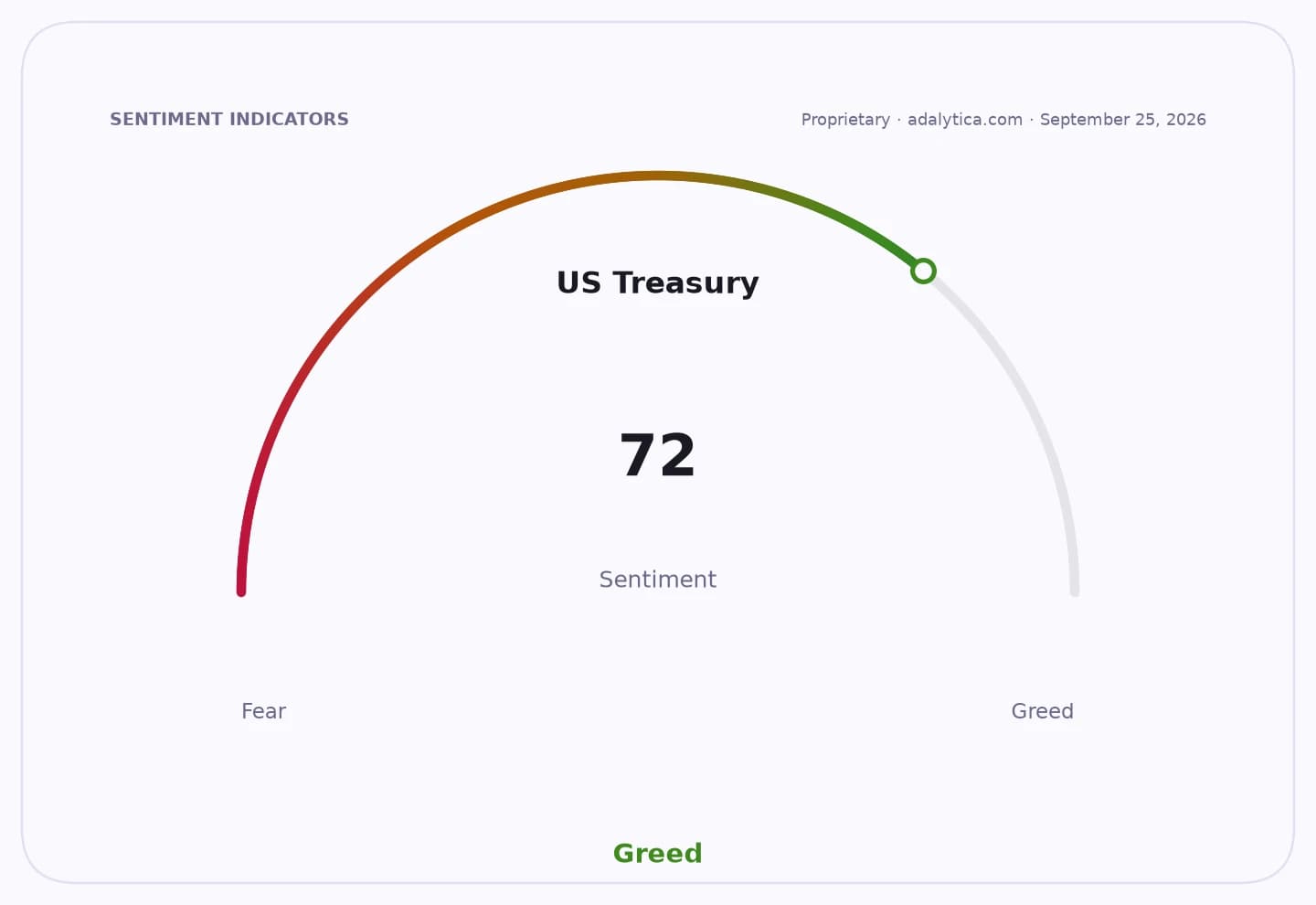
Sentiment IndicatorsⓘProprietary · adalytica.com · September 11, 2026
This is a snapshot — live sentiment, awareness and momentum for 130+ markets update continuously in the dashboard.Open AlphaPulse
That rush is not happening in a vacuum. U.S. companies, including banks, are looking for alternative funding sources as the world’s largest bond market is being swamped by heavy borrowing from firms racing to build out artificial intelligence. Record AI-related tech debt has left investors more sensitive to supply, spreads and financing costs, especially for companies that need huge amounts of capital before the payoff arrives.
For long-term investors, this is an important shift in the cost and geography of corporate capital. When a company like Amazon can widen its funding options beyond the dollar market, it improves flexibility. When a company like Uber can borrow in euros for the first time, it signals that even large U.S. growth names are willing to diversify liabilities to keep financing efficient. And when so many issuers show up in Europe at once, it suggests that demand there is strong enough to absorb supply that might feel heavy in the U.S.
It also reflects a broader tension in markets: AI is a fantastic secular opportunity, but the infrastructure build-out is expensive. Data centers, chips, power and networking all require capital, and debt is increasingly part of the story. That is why bond investors are paying close attention not just to growth, but to balance sheet discipline and free cash flow.
The market backdrop reinforces that caution. U.S. Treasury bond sentiment, as tracked by Adalytica.com, is in “Extreme Greed,” while the S&P 500 shows “Extreme Fear,” a sign that investors are leaning hard toward safety even as equities wobble. High-yield credit spreads have also narrowed, suggesting risk appetite is still there, but not without a sharp distinction between solid issuers and those funding speculative growth.
Exchange-traded funds tied to investment-grade and long-duration bonds have also been under pressure in recent sessions, with LQD and TLT both trading below their 50-day moving averages and TLT sitting well under its 200-day average. That does not mean trouble is imminent, but it does show that bond markets remain sensitive to duration, supply and the path of rates. In that kind of environment, issuers naturally go where pricing is best.
For investors, the bigger takeaway is that financing strategy is becoming part of the AI investment case. The strongest companies can access multiple markets, currencies and maturities, which helps them preserve optionality. The weaker ones may be forced to pay up, especially if they chase AI growth with too much leverage.
This looks like a long-term story, not a one-day trade. The companies that can fund innovation without overburdening their balance sheets are the ones most likely to compound value over years. Europe’s bond market is simply the latest proof that capital will flow where terms are favorable — and right now, many American issuers think that place is across the Atlantic.
| Entity | Gains | Losses |
|---|---|---|
| Amazon, Uber and other U.S. issuers | ▲Cheaper, broader funding access | ▼Less room for error if debt rises |
| European bond investors | ▲More supply, better yield pickup | ▼More exposure to U.S. credit risk |
| U.S. bond market | ▲Less immediate issuance pressure | ▼Loses some marquee borrowers |
| AI-heavy companies | ▲Funding flexibility for expansion | ▼Higher scrutiny on leverage |