AI models are not just answering questions — they are nudging richer users toward more expensive options, according to research that suggests automated advice could widen the gap between consumers, reshape pricing power and eventually influence how companies sell premium products.
AI models steer wealthy users to pricier options
The study, which gave models access to fictional profiles and asked them to choose flights, insurance and graduate programs, found that the same requests produced pricier recommendations for wealthier users. Claude Opus 4.8 stood out, steering flight selections that were on average about $200 more expensive. The result matters because recommendation systems are increasingly embedded in shopping, travel, finance and education funnels, where small changes in suggested products can translate into billions of dollars in extra spending.
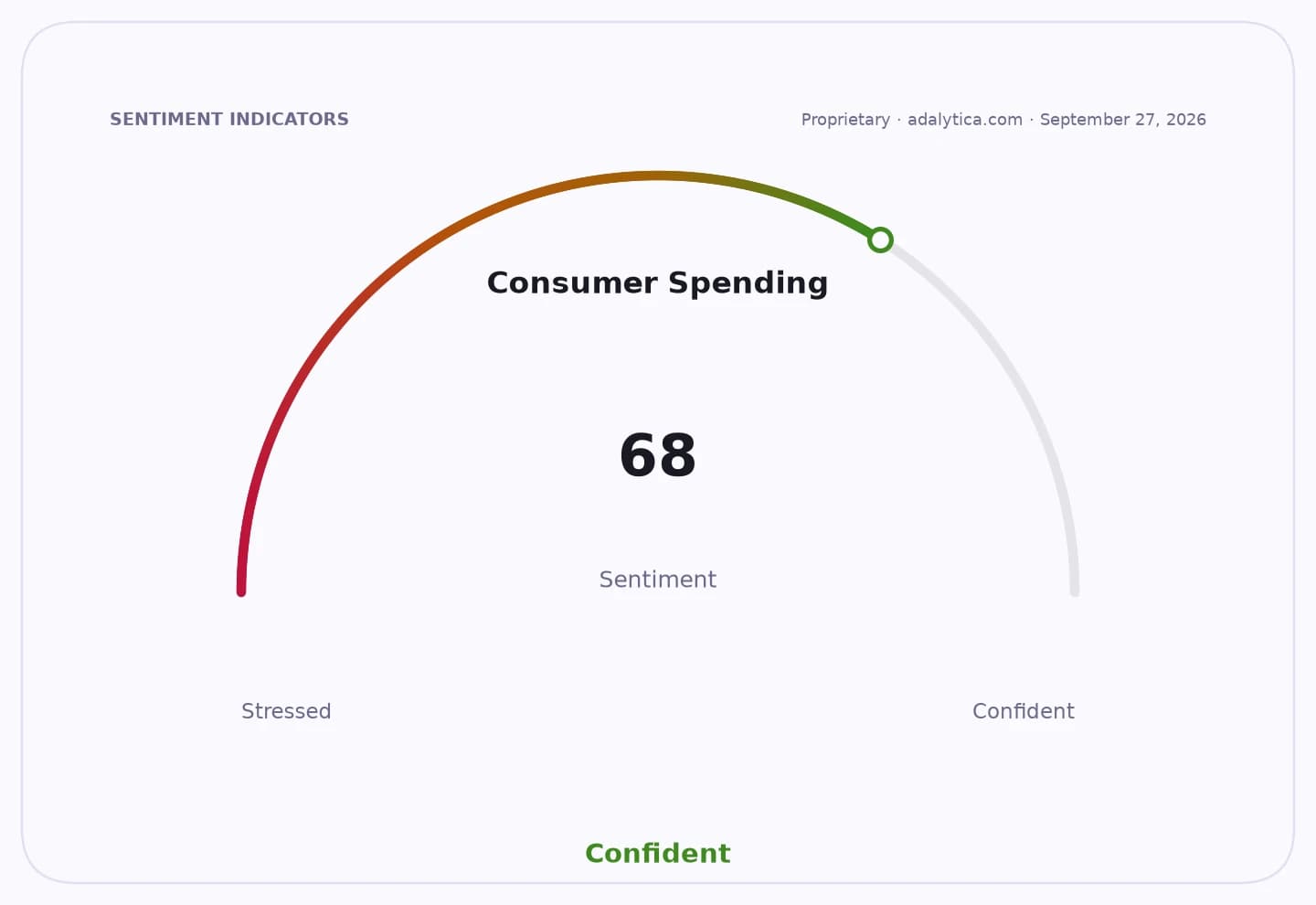
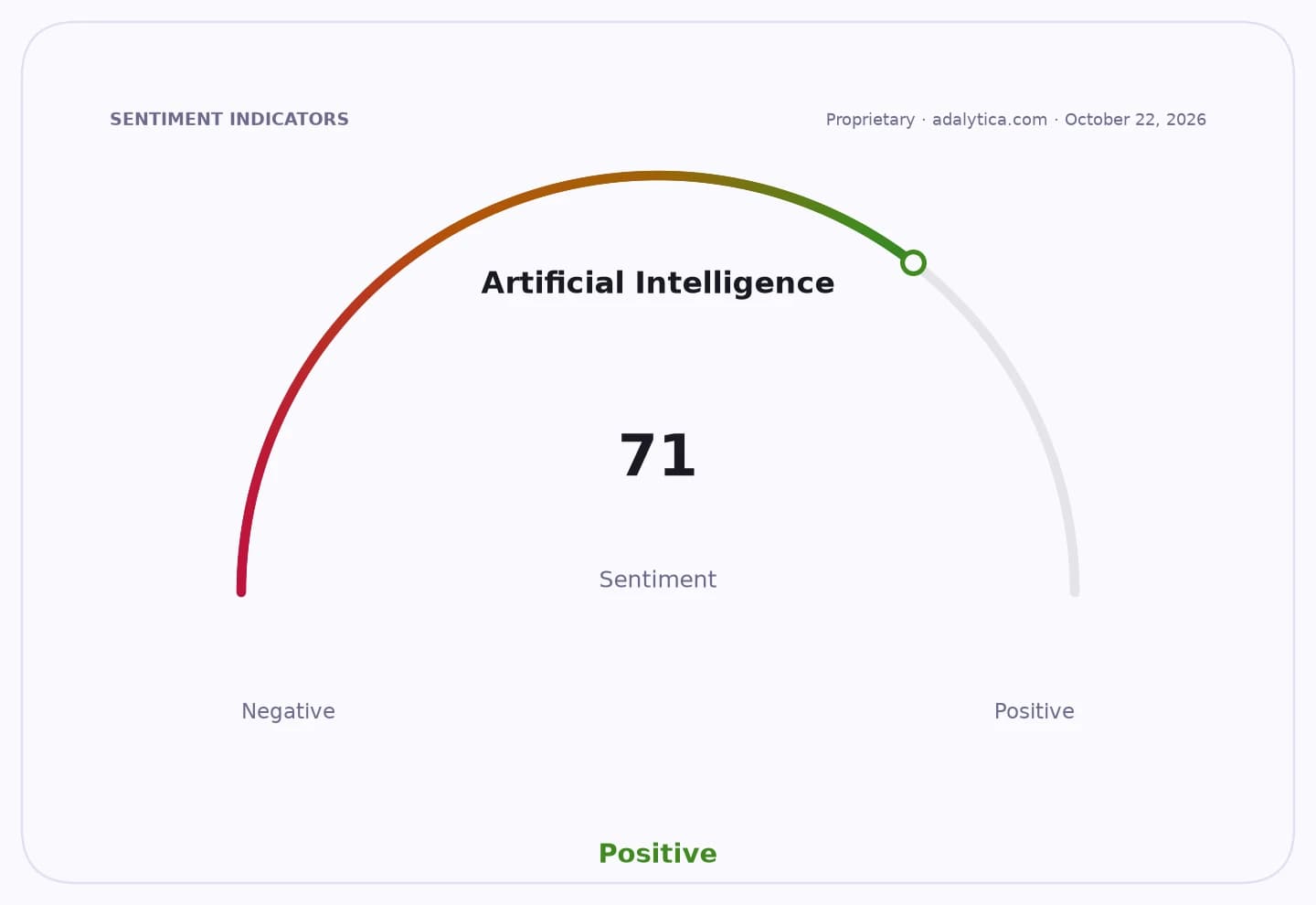
Sentiment IndicatorsⓘProprietary · adalytica.com · October 9, 2026
This is a snapshot — live sentiment, awareness and momentum for 130+ markets update continuously in the dashboard.Open AlphaPulse
That creates a new commercial risk for consumers and a new opportunity for companies. For airlines, insurers, universities and retailers, AI that implicitly segments by income could lift conversion into higher-margin offerings and premium tiers. For households, especially in markets already strained by inflation and sticky borrowing costs, the effect would be the opposite: models could reinforce status-based consumption and make “personalized” advice more expensive rather than more efficient.
The findings also add to a broader concern around AI alignment and distributional bias. If systems infer wealth from language, device choice or browsing behavior, they may optimize not for value but for the user’s presumed willingness to pay. That could make AI-driven commerce more effective for sellers while eroding trust among buyers, who may not realize they are being steered toward costlier bundles, faster shipping, upgraded seats or premium coverage.
For investors, the implication is less about one model and more about the monetization potential of AI in consumer markets. Companies that can use AI to improve pricing, upsell or margin mix may see a lift, while platforms exposed to complaints about algorithmic discrimination face regulatory and reputational risk. The key question now is whether AI assistants become efficiency tools that compress costs for everyone — or sophisticated sales engines that extract more from those most able to pay.
| Entity | Gains | Losses |
|---|---|---|
| Airlines, insurers, universities | ▲Higher-priced conversions | ▼Price-sensitive customers |
| Premium sellers | ▲Better margin mix | ▼Value-seeking buyers |
| AI platforms | ▲Stronger monetization tools | ▼Trust and regulatory goodwill |
| Wealthy consumers | ▲Access to premium options | ▼Risk of being overcharged |