AI is making resumes easier to write but harder to trust, pushing employers toward skills-based hiring and away from glossy, generic applications that can be produced in seconds by ChatGPT and similar tools.
AI Resumes Push Employers Toward Skills-Based Hiring
That shift matters for Microsoft, Nvidia and other companies investing heavily in AI because it changes how talent is screened, who gets hired and how much value firms place on credentials versus demonstrable output. It also reinforces a broader labor-market trend: workers who can prove concrete results are likely to gain an edge, while those relying on polished wording alone may lose ground.
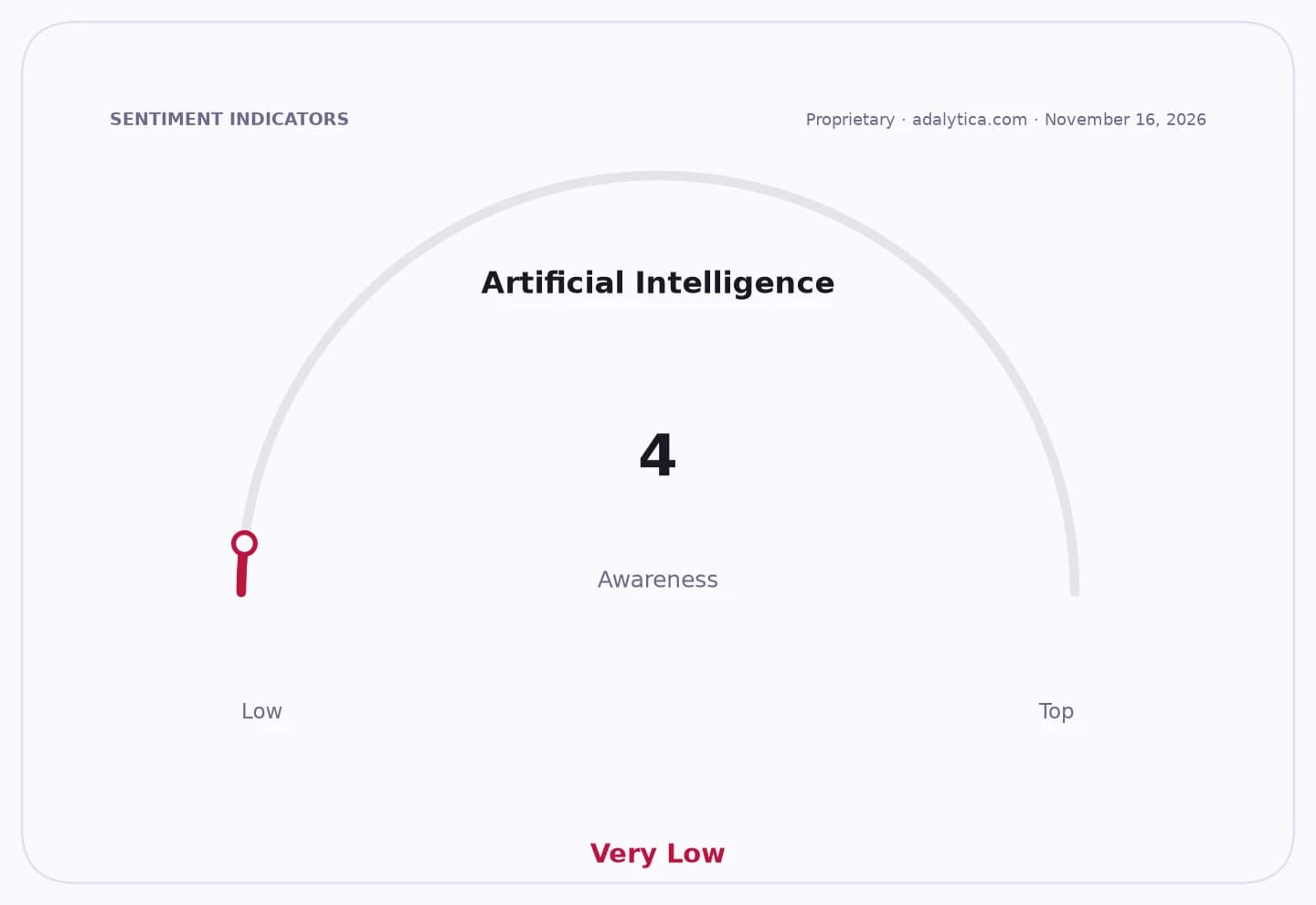
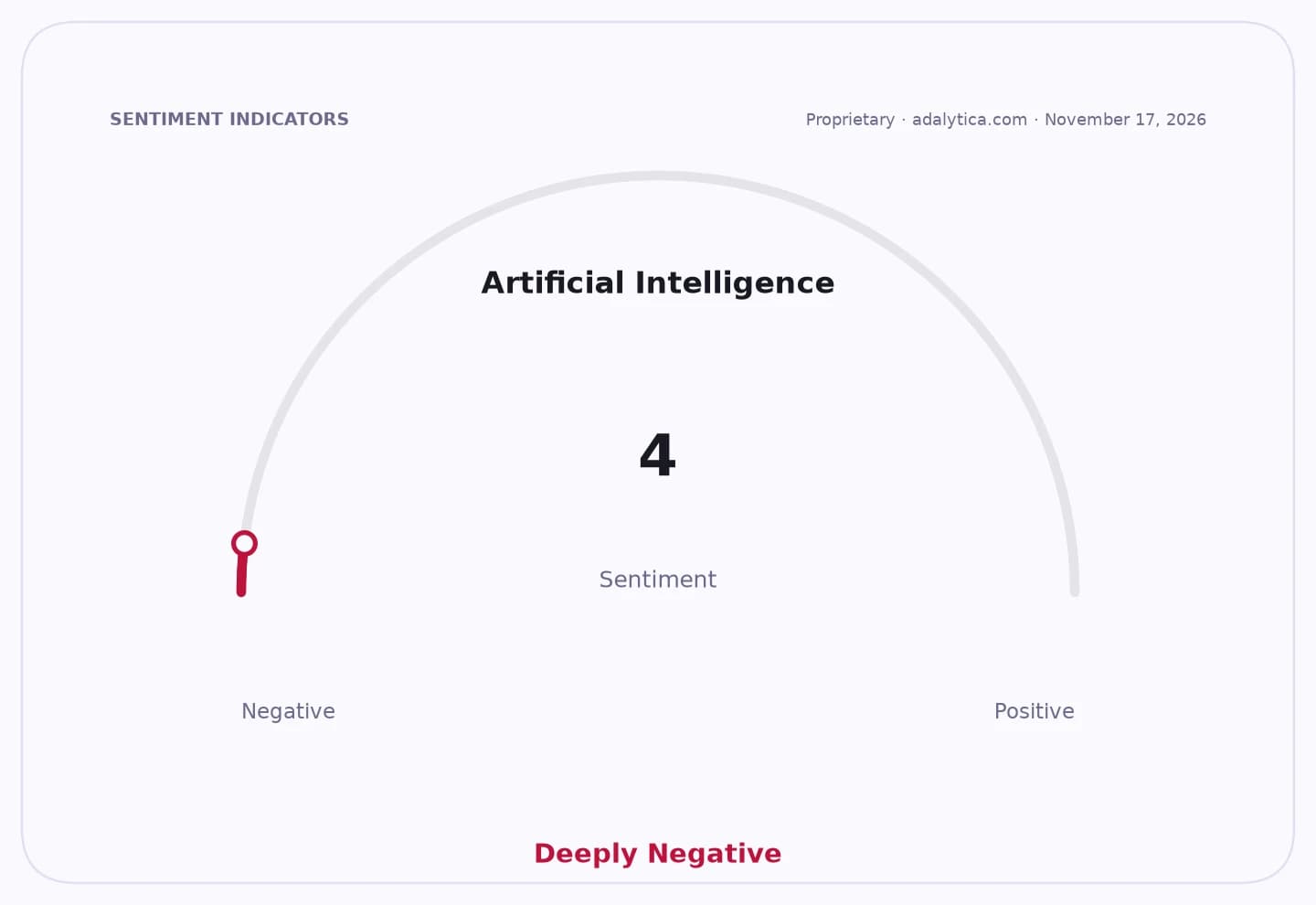
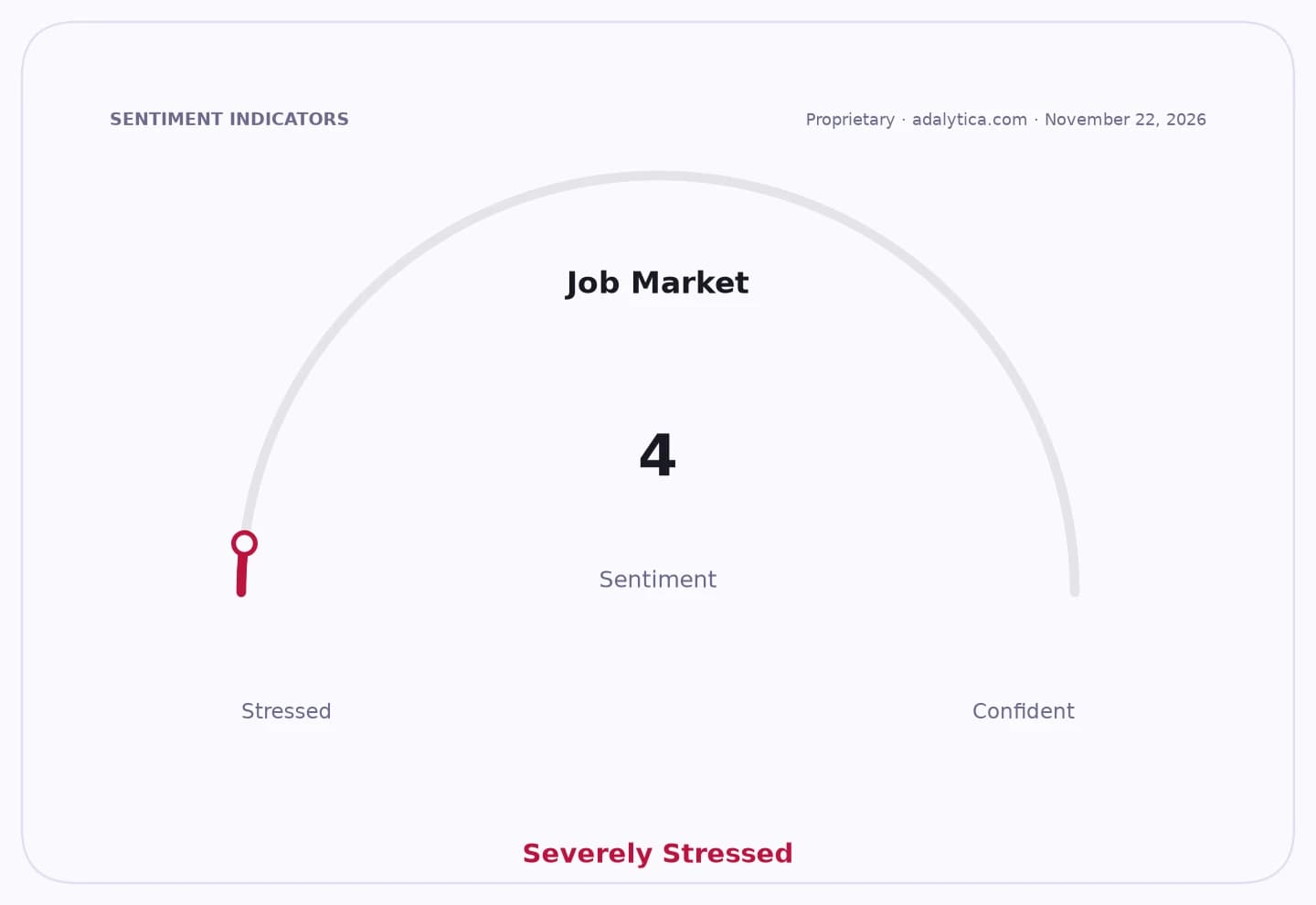
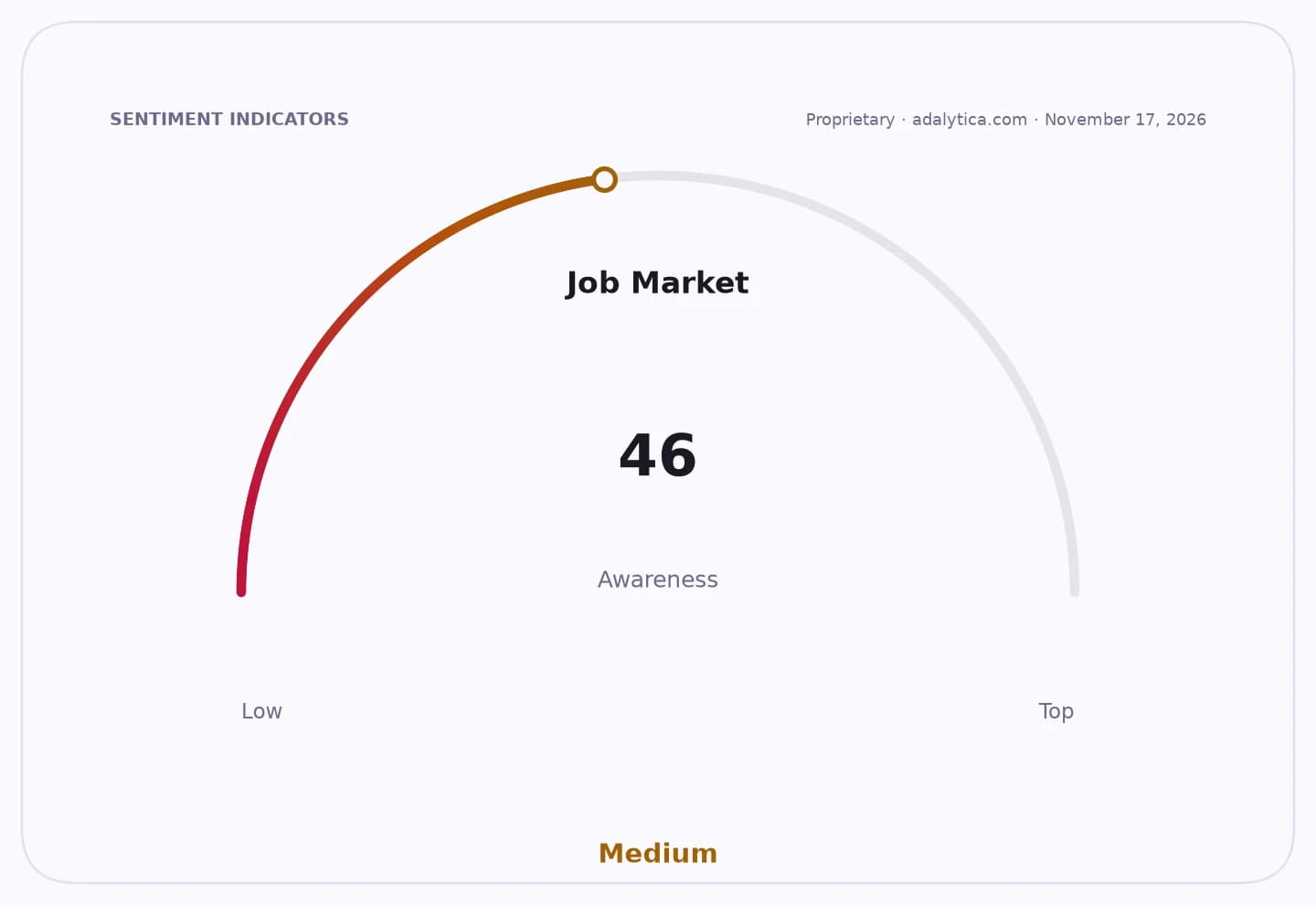
Sentiment Indicators
Career coach Lisa Schultes said the central problem is not that AI-written applications are obvious, but that they make candidates look interchangeable. “The best resume is not the prettiest,” she said, arguing that resumes now need to show measurable impact, from team size and revenue contribution to cost savings, project leadership and process improvements.
Her advice lands at a time when companies are already leaning more heavily on automated applicant tracking systems and AI-assisted screening. That increases the premium on simple formatting, clear headings and keywords from the job description, while reducing the value of elaborate design or ornate language that software may not parse well.
The trend also aligns with skills-based hiring, in which employers test what candidates can actually do through work samples, case studies, structured interviews and practical assessments rather than relying mainly on degrees, job titles or previous employers. Schultes said that shift could make it harder for “blenders” — people who talk well but cannot deliver — to get through hiring funnels.
For investors, the message is twofold. Companies that can use AI to hire faster and better may cut recruiting costs and improve productivity, but the same technology raises the bar for authenticity, internal mobility and workforce quality. The next test will be whether employers keep moving toward skills-based screening as AI-generated applications become even more polished.
| Entity | Gains | Losses |
|---|---|---|
| Job candidates with measurable skills | ▲Better shot at standing out | ▼Less help from polished wording |
| Employers using skills-based hiring | ▲Stronger talent screening | ▼Higher upfront assessment costs |
| AI resume tools | ▲Wider usage | ▼Less trust in generic output |
| Talkers without execution | ▲Less of an edge | ▼More scrutiny in hiring |