The US Labor Department’s plan to bar certain employers from seeking foreign permanent workers for two years after laying off Americans in similar jobs would raise the cost of restructuring for businesses and tighten one of the main channels used to fill skilled roles in the US labor market.
US Labor Department proposes PERM hiring limits
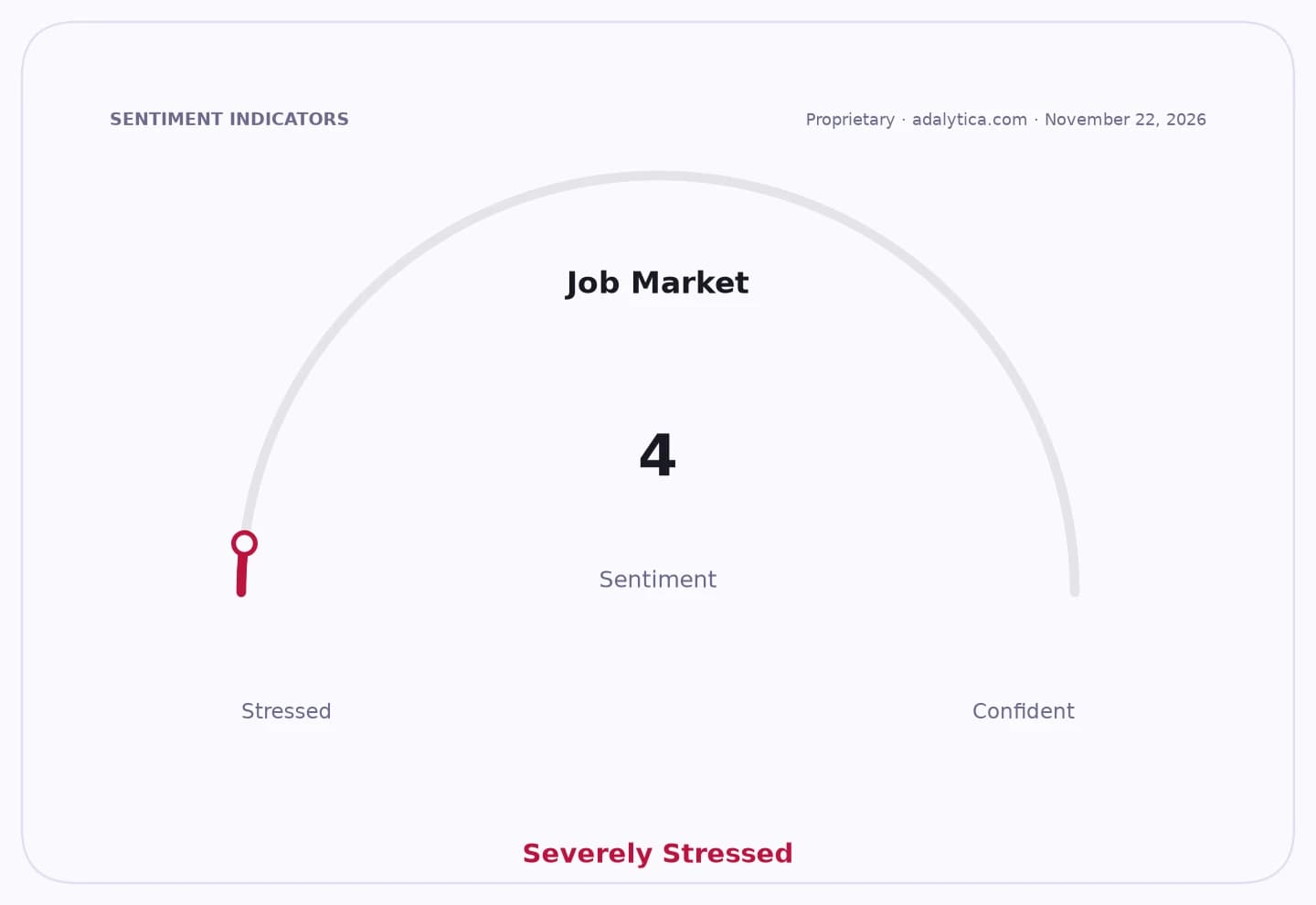
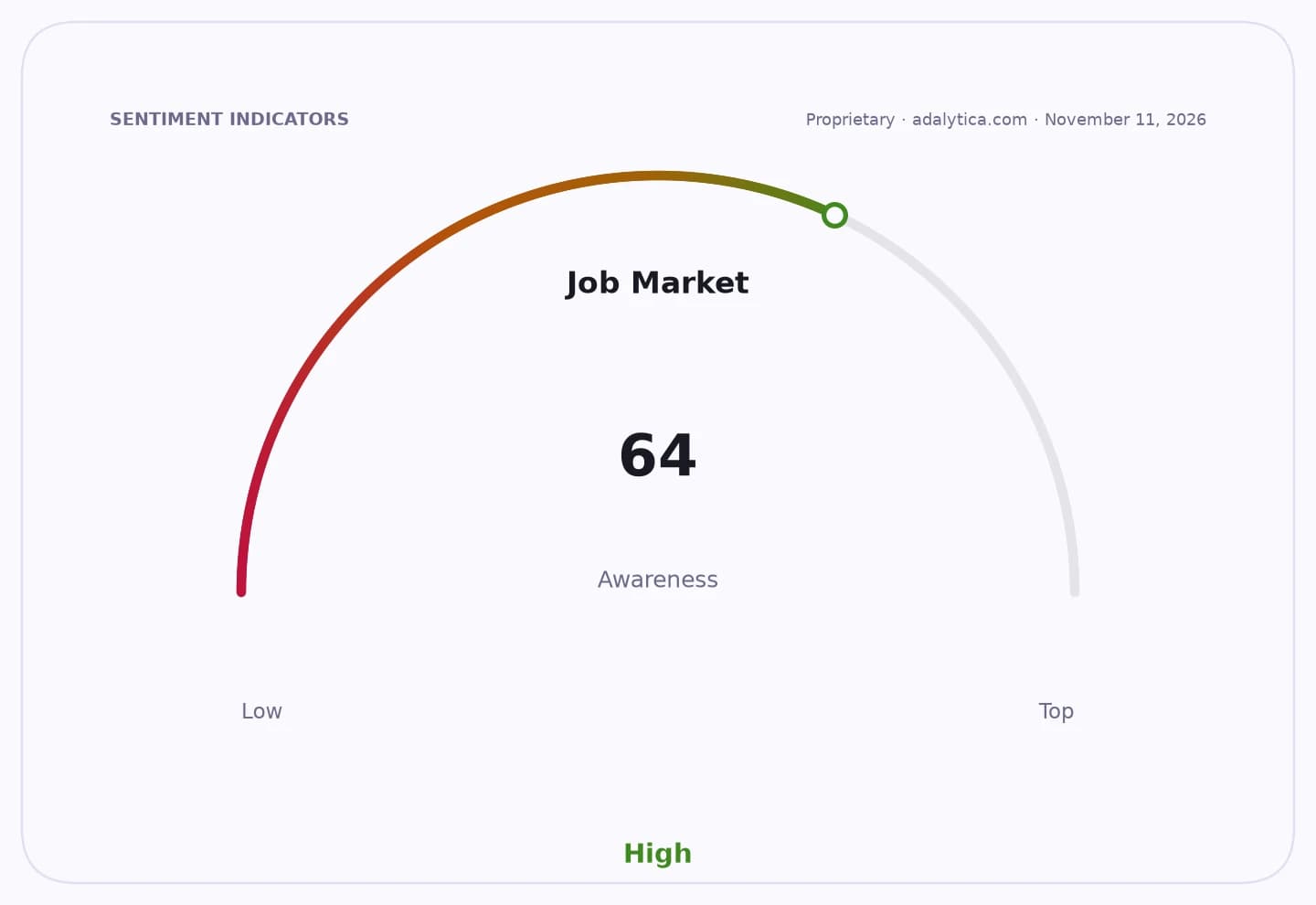
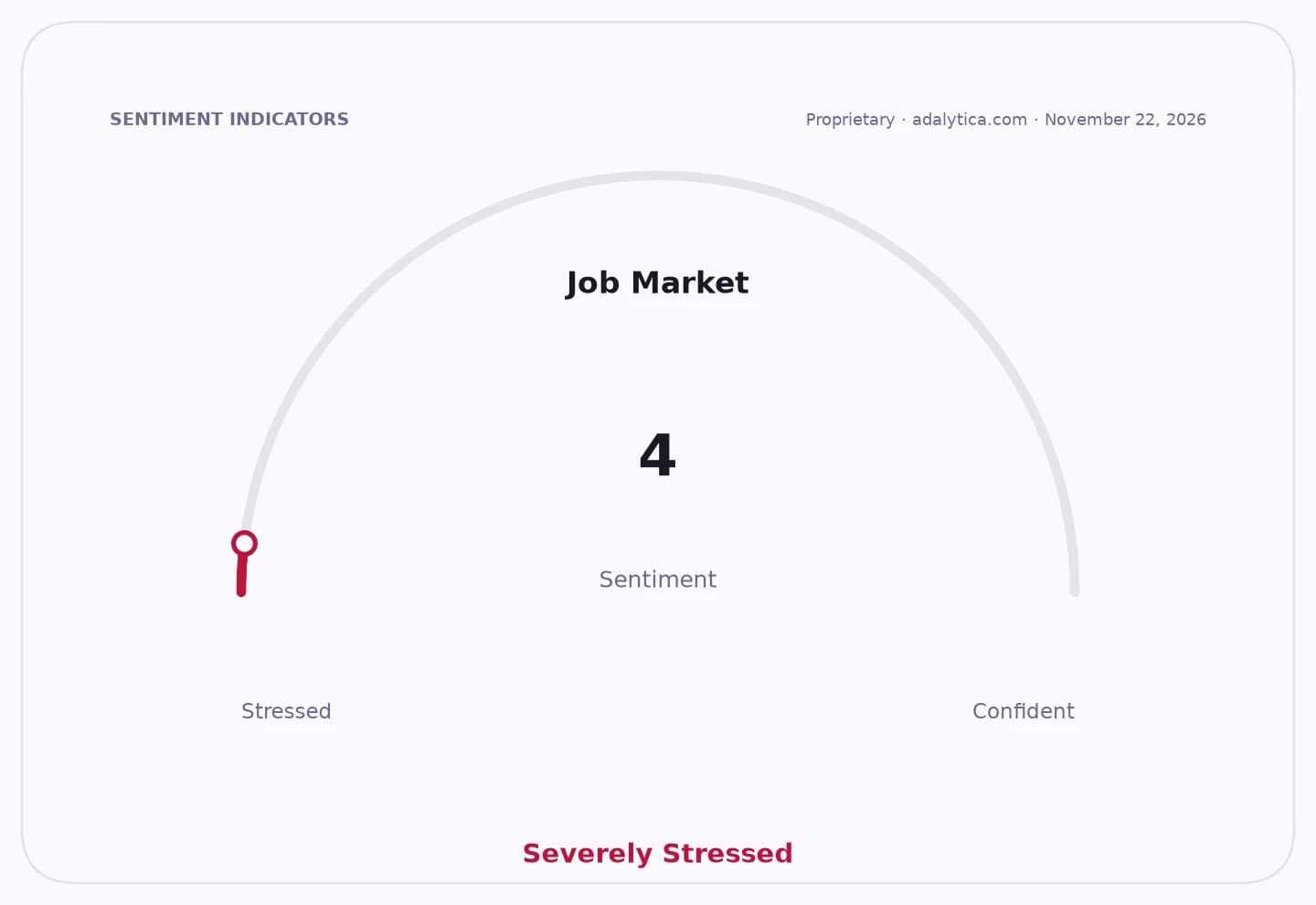
Job Market
The proposal, the first major rewrite of the Permanent Labor Certification, or PERM, process in nearly 20 years, is aimed at forcing companies to prove they have made good-faith efforts to recruit US workers before sponsoring foreign employees for permanent jobs. That has immediate implications for technology, healthcare and other sectors that rely heavily on employer-sponsored immigration to plug talent gaps, especially as the labor market remains broadly resilient with unemployment near 4.1% and payrolls still expanding.
Sentiment Indicators
The two-year restriction is the most consequential part of the package because it would directly link corporate layoff decisions to future hiring flexibility. Employers that cut Americans from jobs and then look to refill those roles with foreign workers would face a cooling-off period, potentially slowing offshoring, rehiring strategies and wage arbitrage at the margin. It also gives laid-off workers a stronger claim in the certification process, including ongoing consideration through immigrant petition stages.
For investors, the rule matters less as an abstract immigration debate than as a possible margin and operating-cost issue. Companies with persistent demand for specialized labor could face longer hiring cycles, more administrative burden and less freedom to optimize headcount across geographies. That could be a headwind for business models built on global labor pools, while supporting firms that recruit domestically or compete on local service delivery.
Industries most exposed are likely to include software, consulting, healthcare and outsourced services, where employers frequently seek skilled foreign talent and where staffing costs are a major component of profitability. SEC filings from firms such as Amazon and IBM underscore how intensely these businesses compete for technical staff, while ADP and Verisk highlight the importance of recruiting and retention to operating performance. A more restrictive PERM regime could also ripple into payroll processors, staffing firms and immigration advisers if application volumes slow or compliance costs rise.
The proposal is not final and is open to public comment for 60 days, so the eventual rule could be narrowed or delayed if employers argue it adds friction without materially improving labor-market outcomes. Supporters will say it restores priority to US workers and closes loopholes in a system that has gone too long without a comprehensive update. Opponents are likely to argue it risks making the US less competitive for global talent at a time when firms are still investing heavily in AI and other high-skill functions.
If adopted largely as written, the rule would mark a sharper turn in US labor policy toward domestic hiring preference and could force companies to rethink how they manage layoffs, recruitment and permanent visa sponsorship.
| Entity | Gains | Losses |
|---|---|---|
| US workers | ▲Better job priority | ▼Fewer immediate openings for foreigners |
| Employers with layoffs | ▲None | ▼Two-year hiring ban risk |
| Foreign job applicants | ▲None | ▼Harder path to permanent roles |
| Domestic recruiters / staffing firms | ▲More demand | ▼Less offshore talent flexibility |