Indonesia has overhauled its labor code with a new Employment Protection Act that weakens employer flexibility in some areas while giving workers clearer, and in several cases broader, statutory rights.
Indonesia labor law overhaul changes worker protections
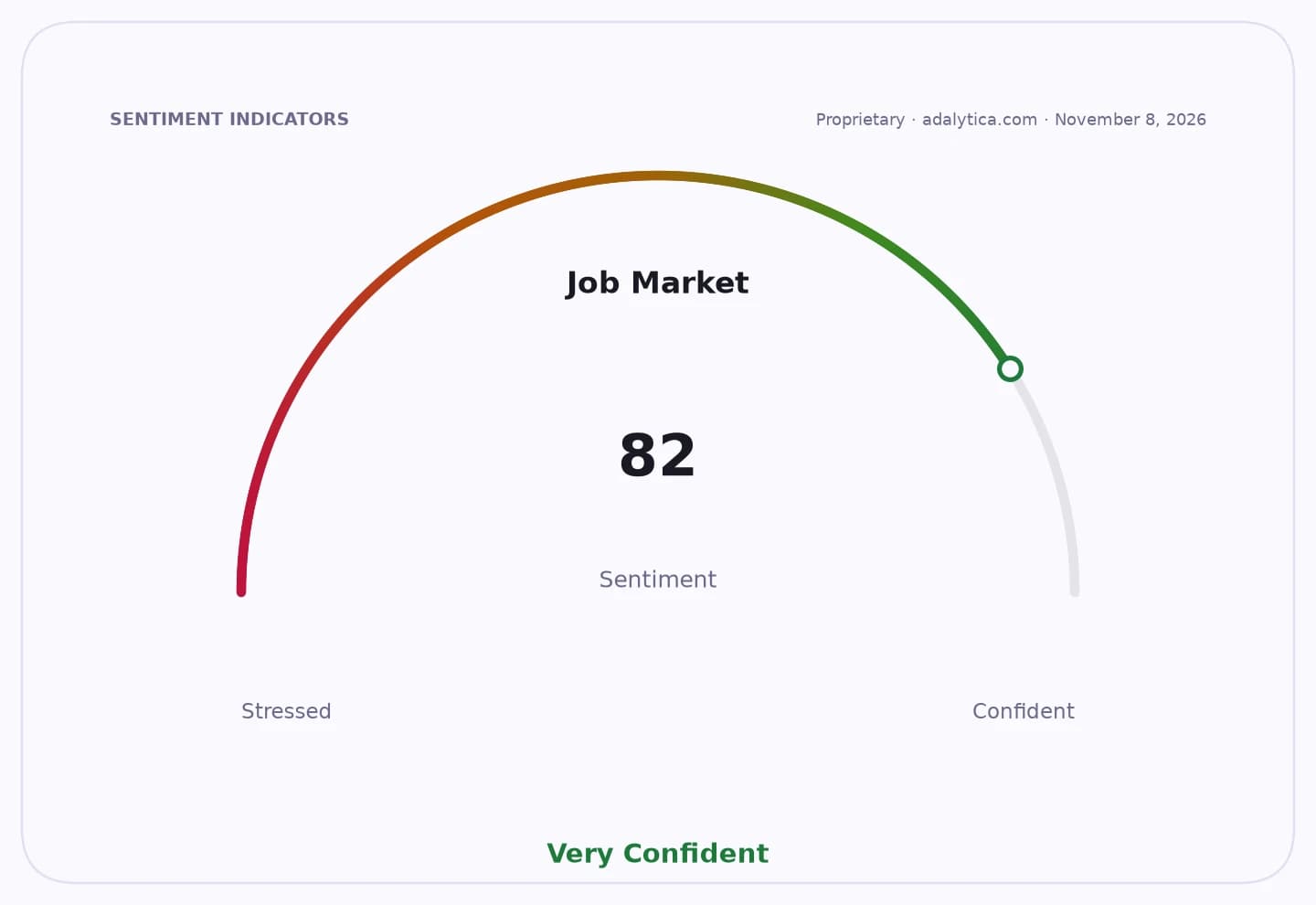
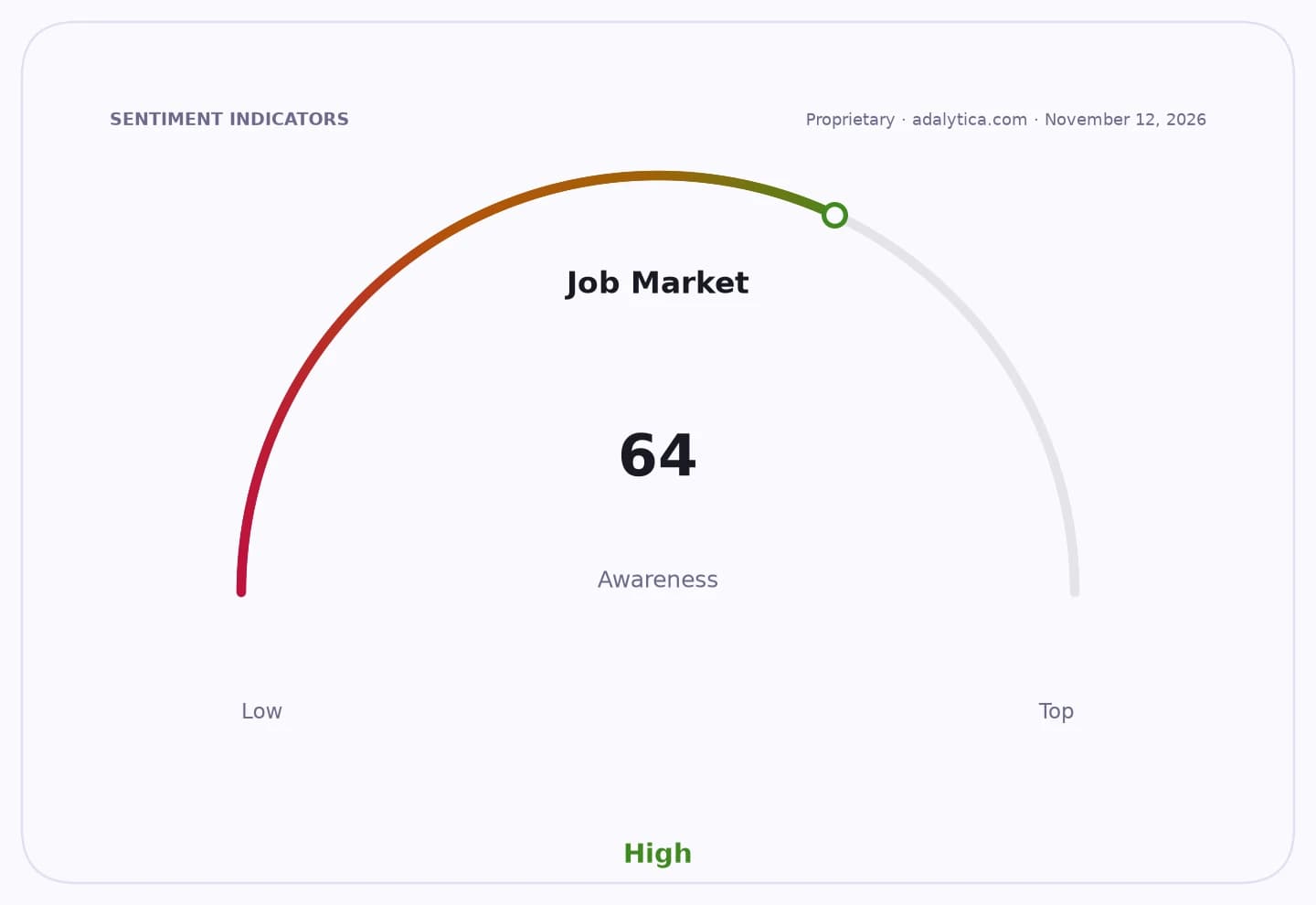
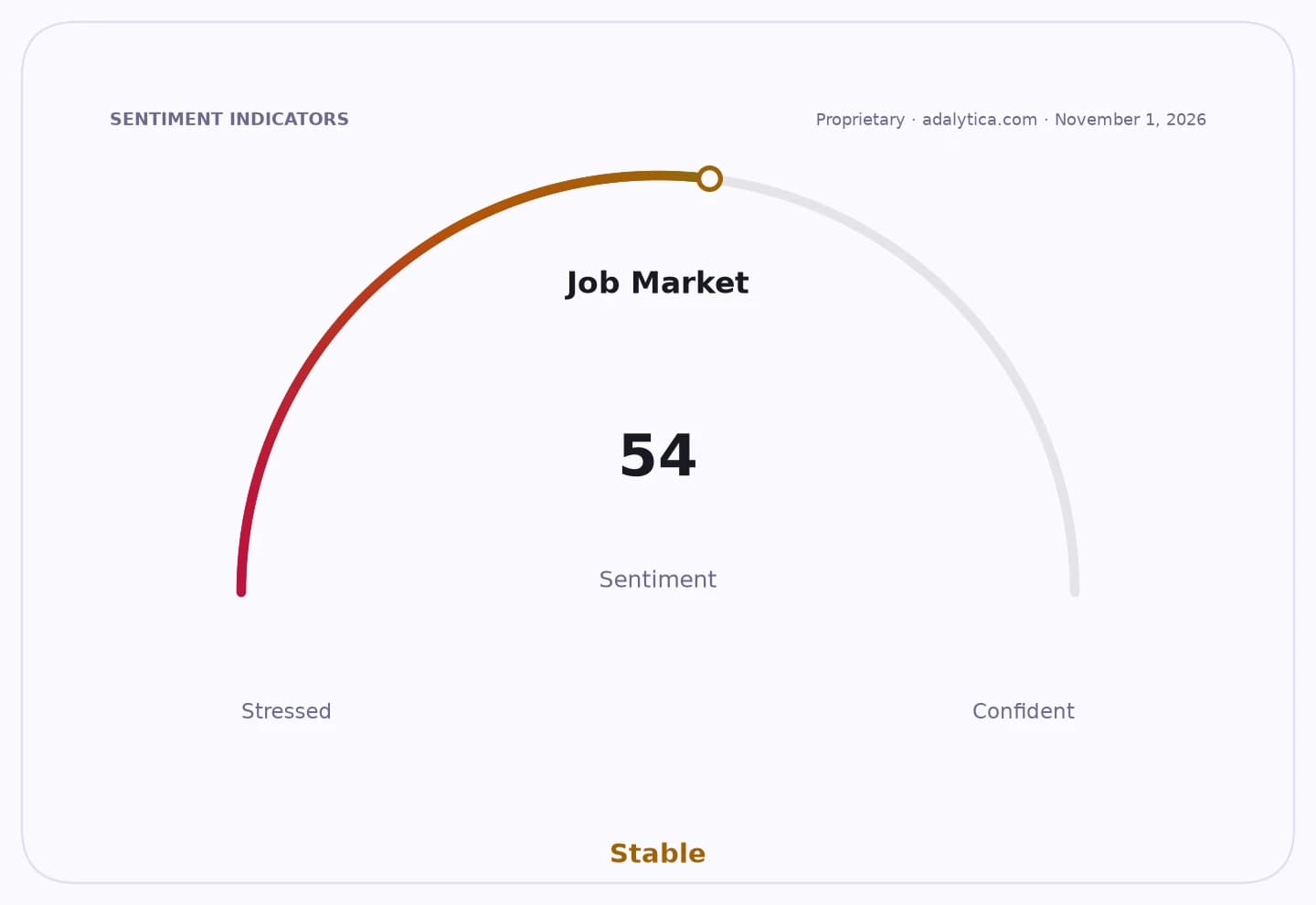
Job Market
The legislation matters economically because it redraws the balance of bargaining power in one of Southeast Asia’s largest labor markets at a time when unemployment remains a live policy issue and formal payrolls are still expanding. With unemployment at 4.1% in October and nonfarm-style payrolls at 159.3 million in October, the government is trying to formalize protections without derailing hiring or investment. For investors, the law raises compliance costs for domestically exposed employers, narrows the use of outsourced labor and could make workforce planning more expensive and less discretionary.
Sentiment Indicators
The biggest change is structural: the new law repeals the 2003 labor law and carves labor protections out of the Cipta Kerja framework, replacing overlapping rules that officials said had created uncertainty. That reset is designed to implement a Constitutional Court ruling while giving firms and workers a single legal basis for leave, termination and contract arrangements. In practice, that should reduce ambiguity over time, but the transition period may be messy as implementing regulations are written.
Several provisions will be closely watched by employers. Companies must now set aside severance reserve funds, managed by a state body, to ensure termination payments are available if jobs are cut. The rule excludes micro and small firms, but for larger employers it ties up capital and introduces the risk of administrative sanctions if they fail to comply. The law also limits outsourcing to non-core support functions such as cleaning, catering, security and transport, a constraint that could squeeze margins in labor-intensive sectors and reduce the appeal of flexible staffing models.
The act also formalizes platform work in a separate “certain employment relationship” category, explicitly including digital platforms under partnership agreements. That is significant for ride-hailing, delivery and gig-economy businesses, which have faced rising regulatory pressure worldwide over worker classification. Indonesia’s approach stops short of full employee status, but it still sets a floor for fair pay, workplace safety and social protection that could lift operating costs and force revisions to contractor models.
For workers, the law is a clear gain. Annual leave of at least 12 working days can no longer be reduced by government-declared collective leave, maternity leave is set at a minimum of three months with possible extensions, and female workers who miscarry receive explicit rest rights and pay protection. The law also prohibits dismissal for marriage, pregnancy, union activity, race, religion, disability or reporting an employer to authorities, making unlawful terminations void and requiring reinstatement.
The bull case is that clearer labor rules reduce legal disputes and support a more stable consumption backdrop by strengthening household income security. The bear case is that higher compliance burdens may discourage hiring, particularly among medium-sized employers that lack the scale of multinationals but are too large to benefit from the small-business exemption. The immediate market impact is likely to be felt most by labor-heavy companies, outsourcing firms and platform operators, while workers and domestic consumption should benefit if the rules are enforced consistently.
What investors will watch next is the fine print. The law leaves key details to implementing regulations, especially on platform work, severance funding and sanctions. If the government moves slowly or inconsistently, uncertainty could linger; if it moves quickly and strictly, the cost of labor in Indonesia is likely to rise more visibly, with the biggest adjustment borne by firms that rely on contingent workforces.
| Entity | Gains | Losses |
|---|---|---|
| Workers | ▲stronger leave and dismissal protection | ▼less employer flexibility |
| Large employers | ▲clearer legal framework | ▼higher compliance costs |
| Platform firms | ▲defined legal category | ▼higher labor obligations |
| Outsourcing providers | ▲limited core exposure | ▼narrower contract scope |