Honduras is moving to create a dedicated labor law for domestic workers, a step that could pull thousands of household employees into the formal economy and force employers to recognize contracts, pay standards and social security contributions.
Honduras Domestic Worker Labor Law Proposal
Job Market
The proposal, presented in Congress by Liberal Party lawmaker Iroshka Elvir, would establish the Law on Integral Paid Protection for Domestic Workers. It aims to regulate working conditions for a labor force that has long operated with limited legal safeguards, especially around wages, hours, rest periods and proof of payment.
Sentiment Indicators
The bill would require work contracts to be formally registered with the labor ministry, while also setting out “decent” working hours and fair remuneration. It also seeks protections against discrimination and access to social security, two issues that are central in a sector where many workers remain outside formal oversight.
For Honduras, the measure matters because domestic work is a major source of income for women and an important service input for urban households. Bringing those jobs into a clearer legal framework could improve compliance, reduce labor disputes and expand the tax and social-security base, but it also raises costs for households that rely on in-home help.
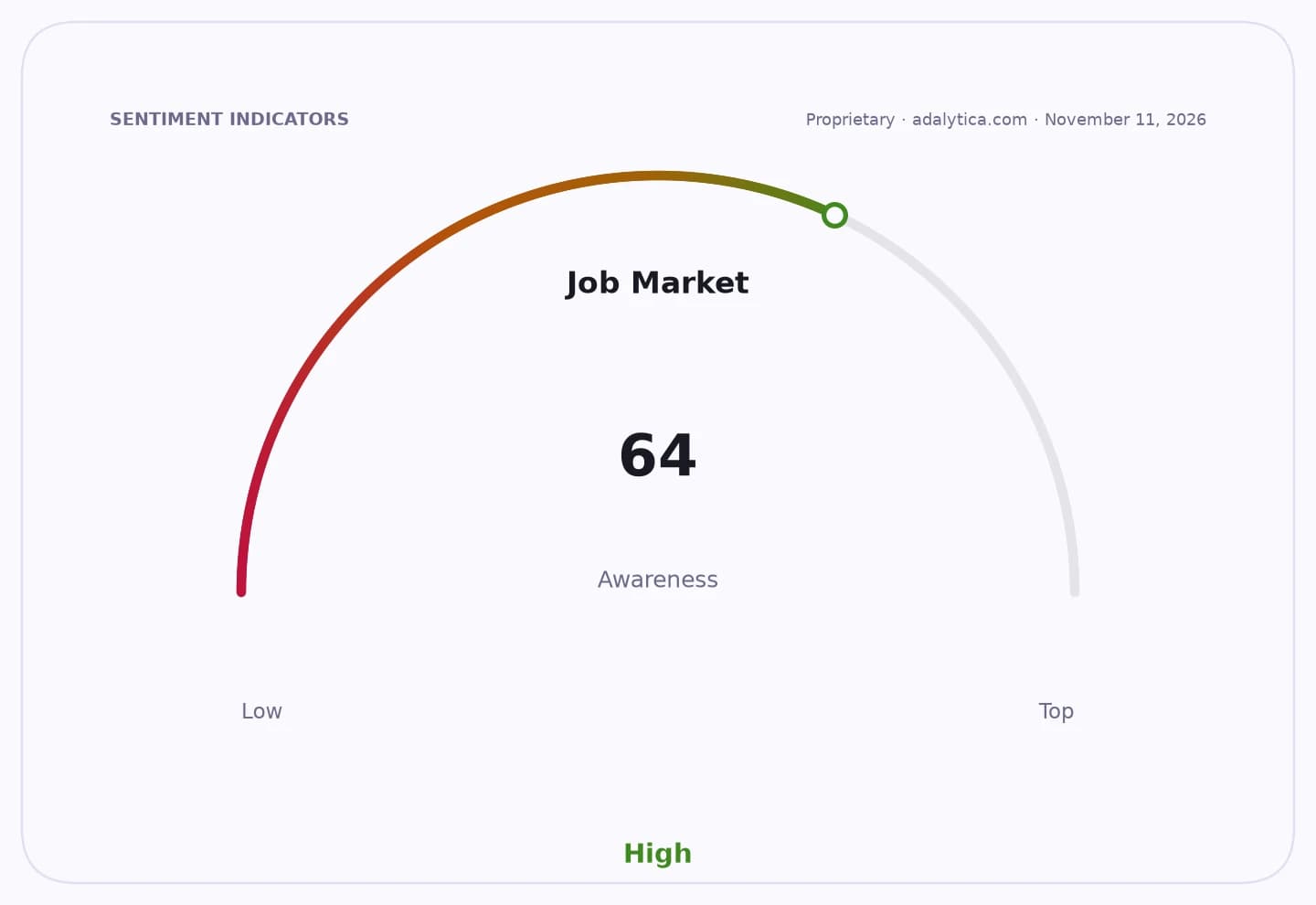
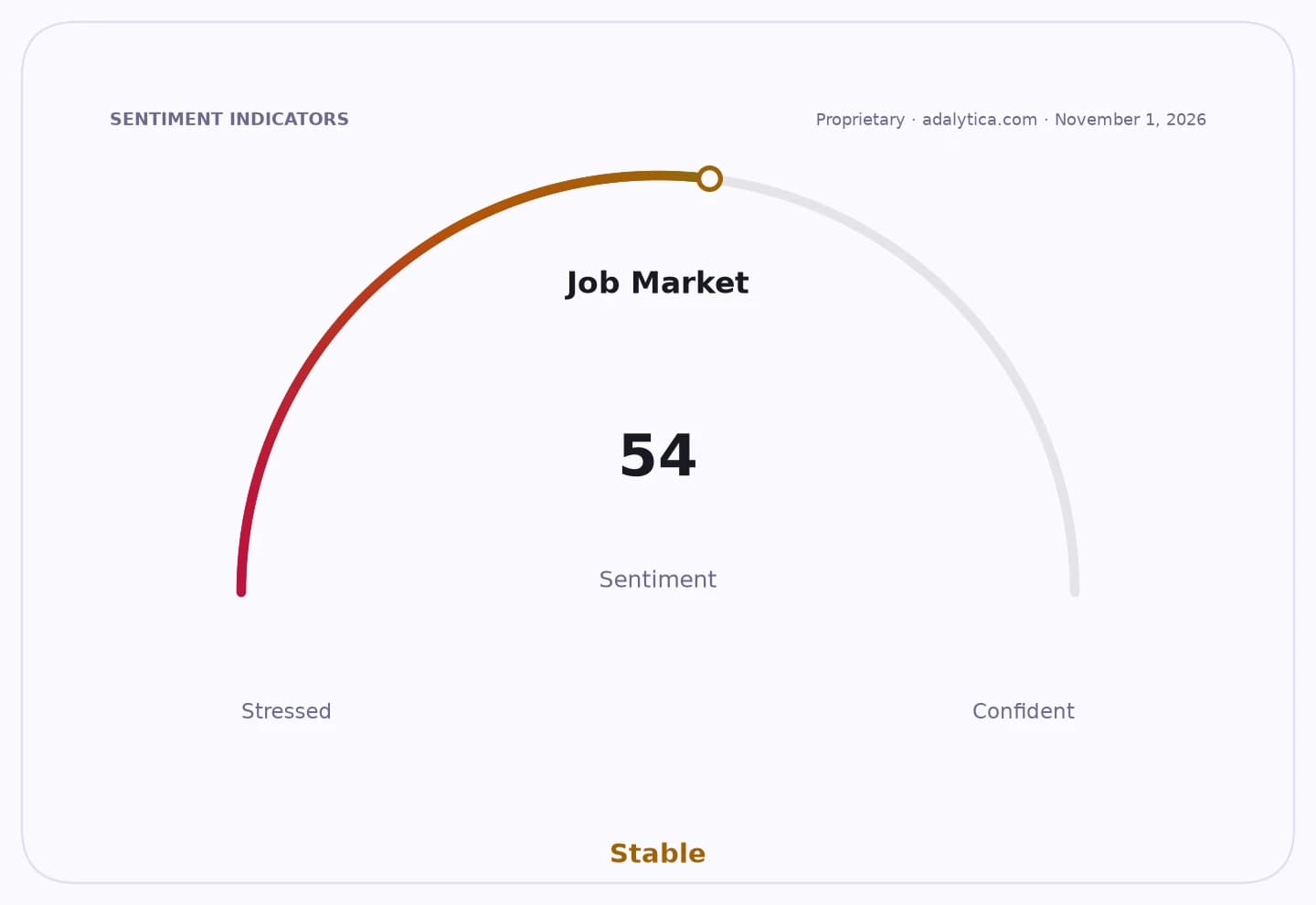
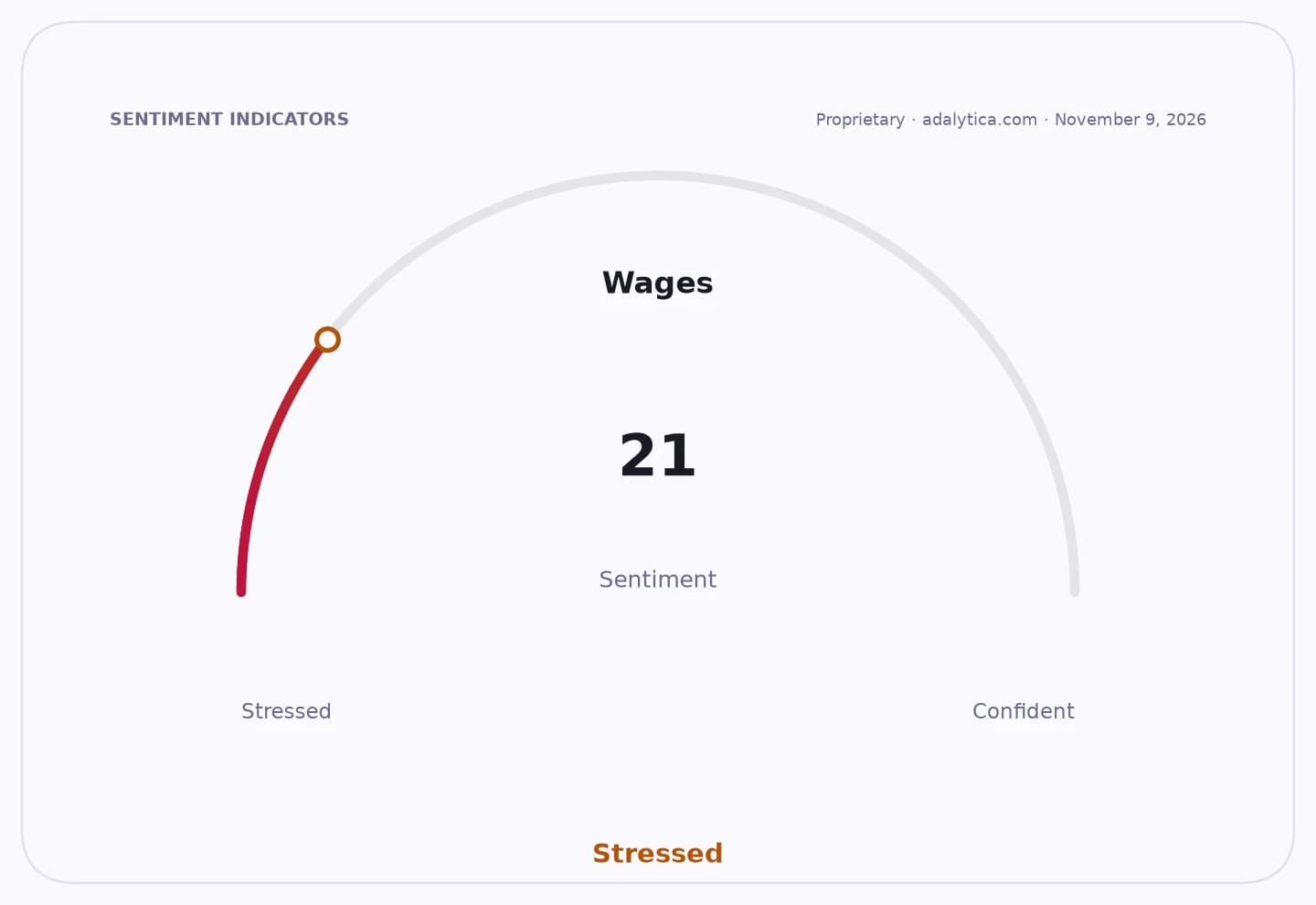
The initiative lands in a regional labor-policy climate where governments are trying to improve worker protections without damaging employment. Adalytica’s JOB sentiment gauge is at 18, labeled “Fear,” underscoring how sensitive labor-market headlines remain for investors and policymakers, even as broader confidence readings have stabilized.
The proposal follows similar efforts previously introduced in Congress, suggesting the issue is gaining legislative traction rather than remaining a one-off political gesture. The next focus is whether lawmakers can turn the bill into enforceable rules without triggering resistance from employers or slowing demand for formal hiring.
| Entity | Gains | Losses |
|---|---|---|
| Domestic workers | ▲Legal protections, social security access | ▼Informal arrangements |
| Honduran state | ▲Higher formalization, better oversight | ▼Enforcement burden |
| Households/employers | ▲Clearer labor rules | ▼Higher labor costs |
| Informal labor practices | ▲Less room to persist | ▼Weaker legal cover |