Honduras’ new infrastructure ministry says three unfinished public hospitals have been so poorly planned and documented that the state may need to rewrite the projects before they can be restarted, turning what was meant to be a health-system upgrade into a costly repair bill for taxpayers.
Honduras hospitals may need redesign after cost overruns
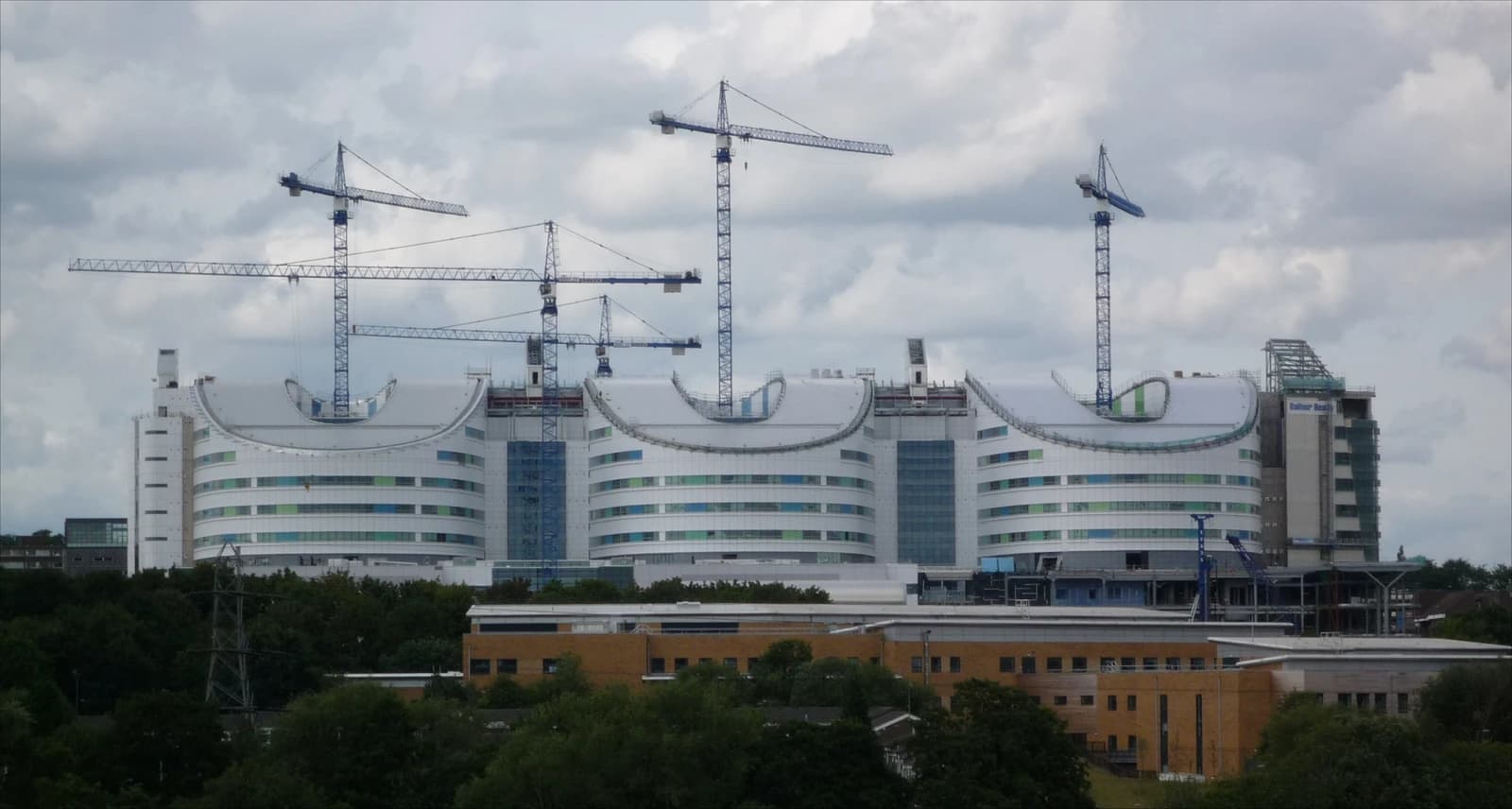
The biggest economic issue is not simply that the Santa Bárbara, Salamá and Ocotepeque hospitals are late. It is that officials say the original contracts, designs and guarantees were flawed enough to push the expected cost of finishing the projects from about 3 billion lempiras to as much as 7 billion lempiras — more than doubling the state’s bill before a single ward opens.
That matters because public infrastructure mismanagement drains fiscal space in a country with limited room to absorb overruns. Aníbal Ehrler, head of the Secretariat of Infrastructure and Transportation, said the government found “a disorderly investment” and evidence of false guarantees and suspicious documents. The Supreme Audit Court is now reviewing the use of public funds, while prosecutors have been handed cases tied to contract legality and project viability.
The fiscal implications are immediate. Ehrler said the state still owes more than 90 million lempiras in commitments from last year, and that some contracts were amended in December 2025 in both timing and value, with costs rising across the board. He said the Santa Bárbara hospital alone spans 36,000 square meters and 200 beds, a scale that, in his words, would require spending comparable to several of the country’s major hospitals combined if it is to function as originally designed.
For investors and contractors, the story is less about one health project than about the reliability of Honduras’ public procurement system. Repeated changes to scope, missing feasibility studies, expired guarantees and alleged fake documents raise the risk of delayed payments, contract disputes and further budget revisions. That can lift costs for any contractor still involved, while discouraging future bidders who will demand higher risk premiums or stricter payment terms.
The projects also show why infrastructure spending can be economically wasteful when planning breaks down. A hospital is not a generic building; it requires specialized power, water, cableing and sequencing of work. Officials said some tasks were scheduled in ways that prevented others from progressing, while one site in Santa Bárbara even faces land-title complications. The ministry is now considering redesigns that would salvage only part of the original plan, pending court orders that allow it to unwind existing commitments.
The bull case is that a reset could finally make the projects workable and stop further leakage of public money. The bear case is that a redesign, legal disputes and procurement cleanup simply push completion further out, leaving the state with higher costs, stranded assets and continued pressure on health services. For Honduras, the test is whether the government can convert a corruption-and-overrun scandal into a credible infrastructure recovery plan.
| Entity | Gains | Losses |
|---|---|---|
| Honduran state auditors/prosecutors | ▲More oversight power | ▼More workload and political pressure |
| Taxpayers/public health users | ▲Potentially cleaner projects | ▼Higher fiscal costs, delayed hospitals |
| Remaining contractors | ▲Possible redesign work | ▼Payment disputes, contract rescissions |
| Former project managers | ▲Little to none | ▼Investigation and legal exposure |