A wave of job cuts at Ho Chi Minh City technology firms is showing how quickly AI adoption, project delays and cost pressure are narrowing opportunities for software testers and other routine IT roles.
Ho Chi Minh City Tech Jobs Shrink as AI Adopts
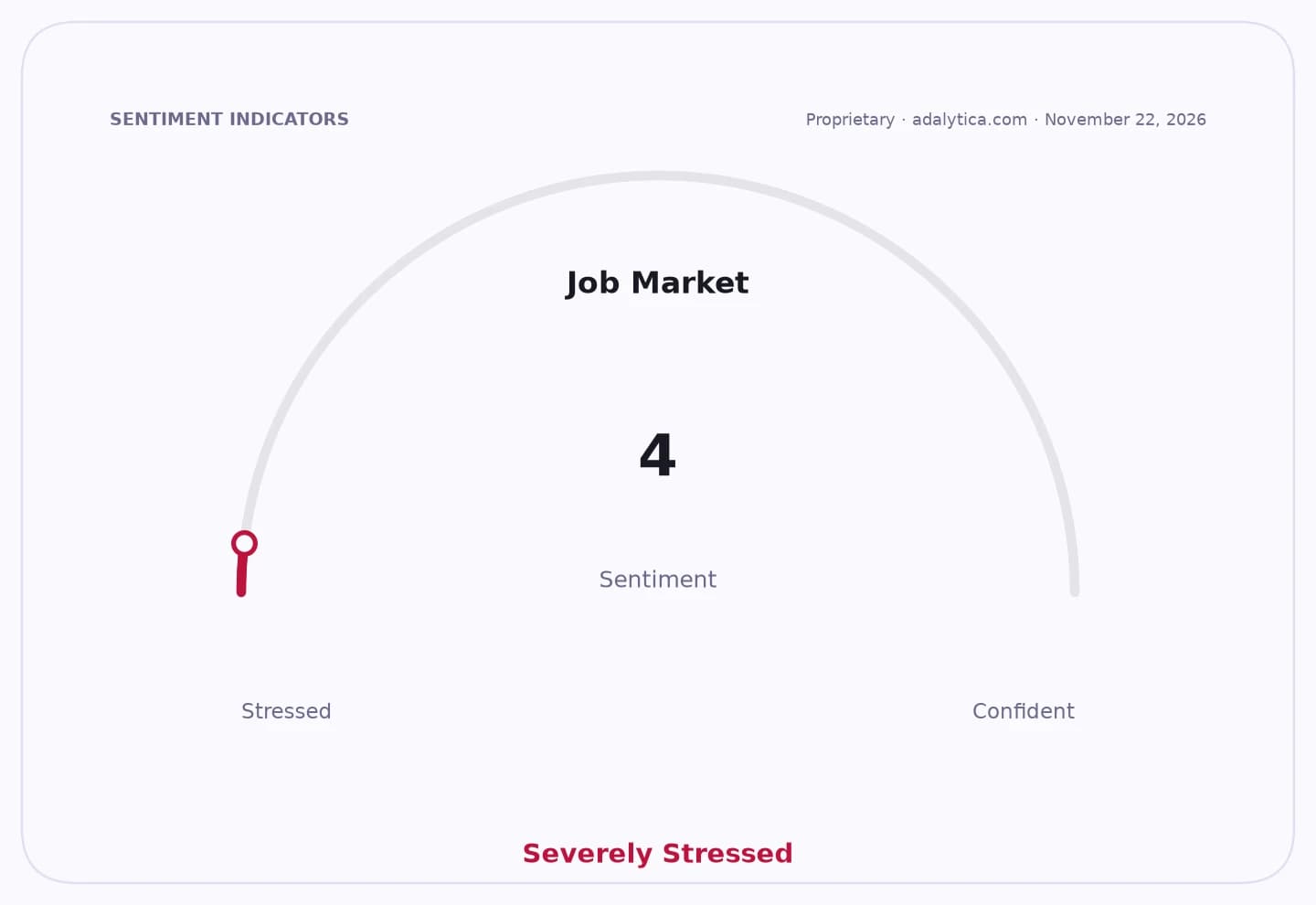
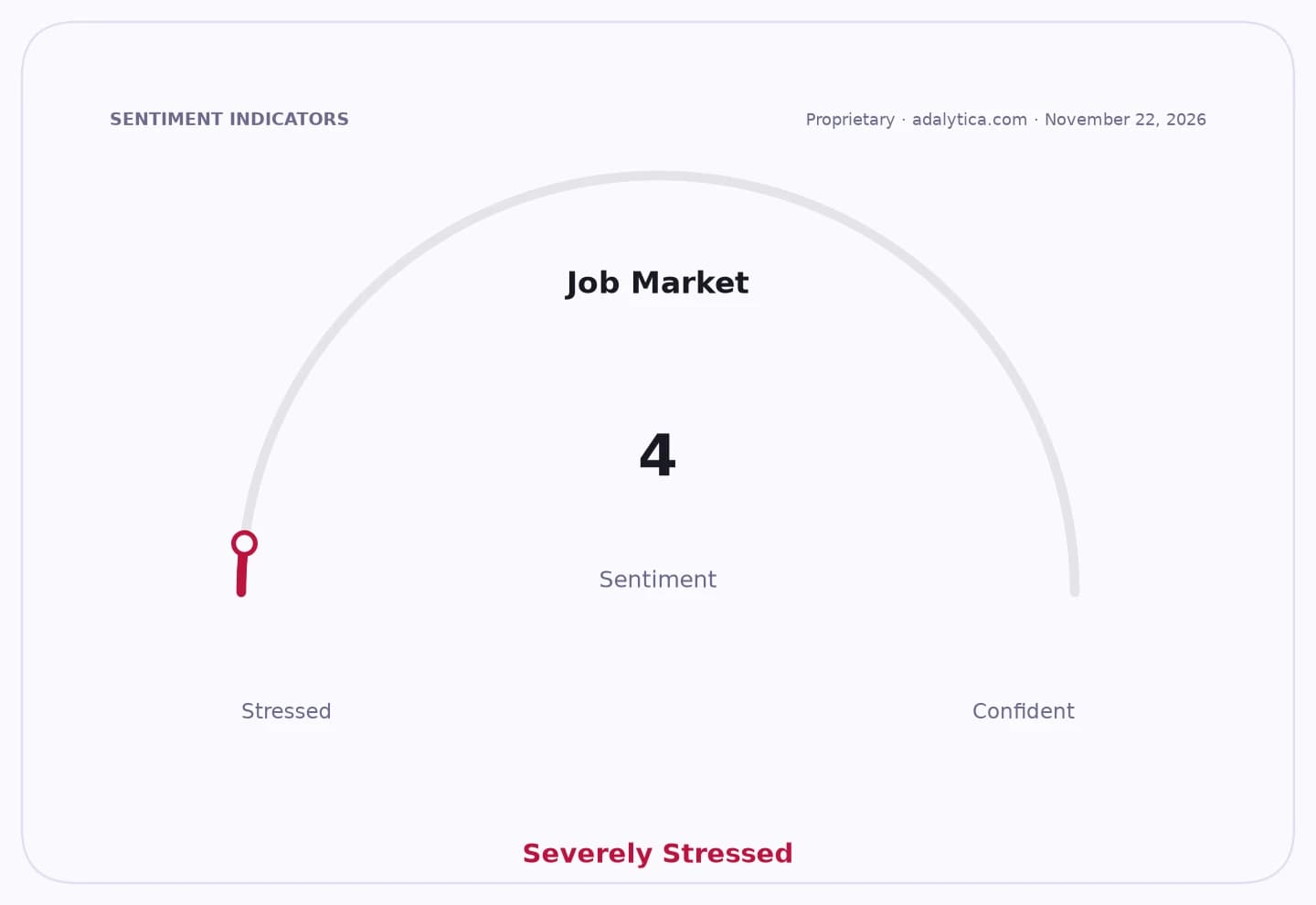
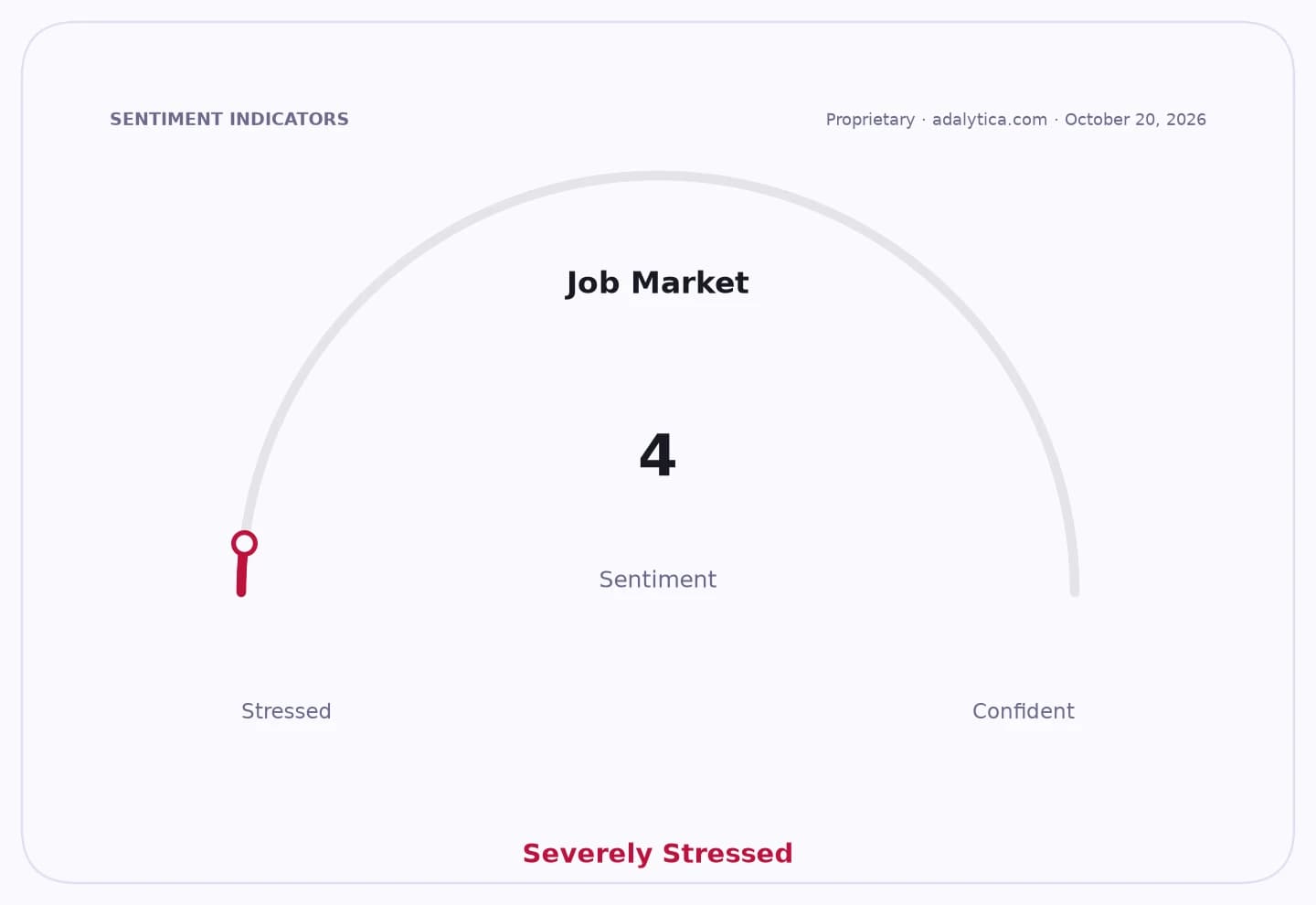
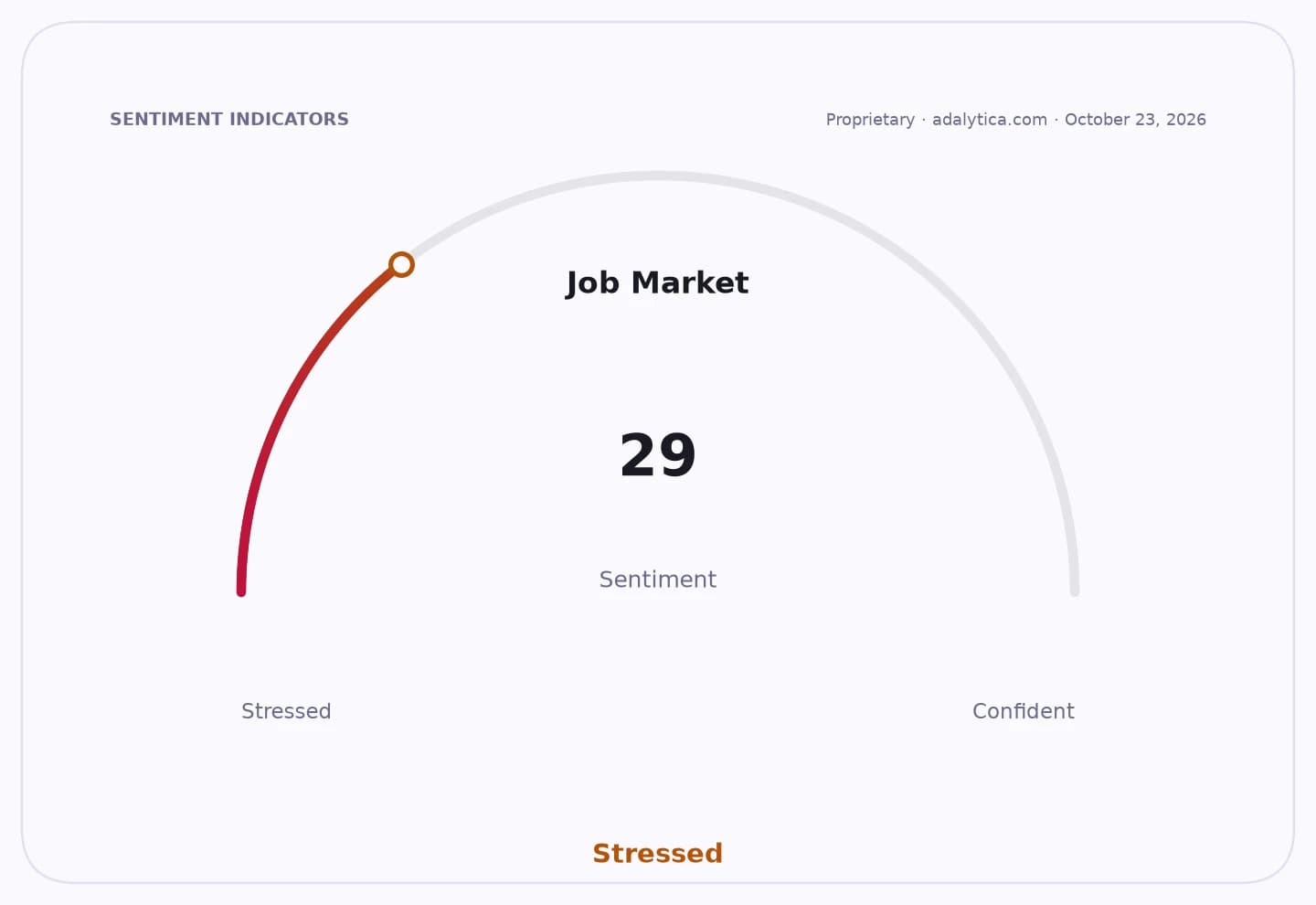
Job Market
The immediate issue is not just individual layoffs. It is that companies are shifting from hiring ahead of demand to staffing only when projects are locked in, while automation is reducing the need for people who mainly follow fixed testing scripts or handle repetitive development tasks. That is squeezing junior and mid-level workers hardest and making the market more selective even for experienced staff.
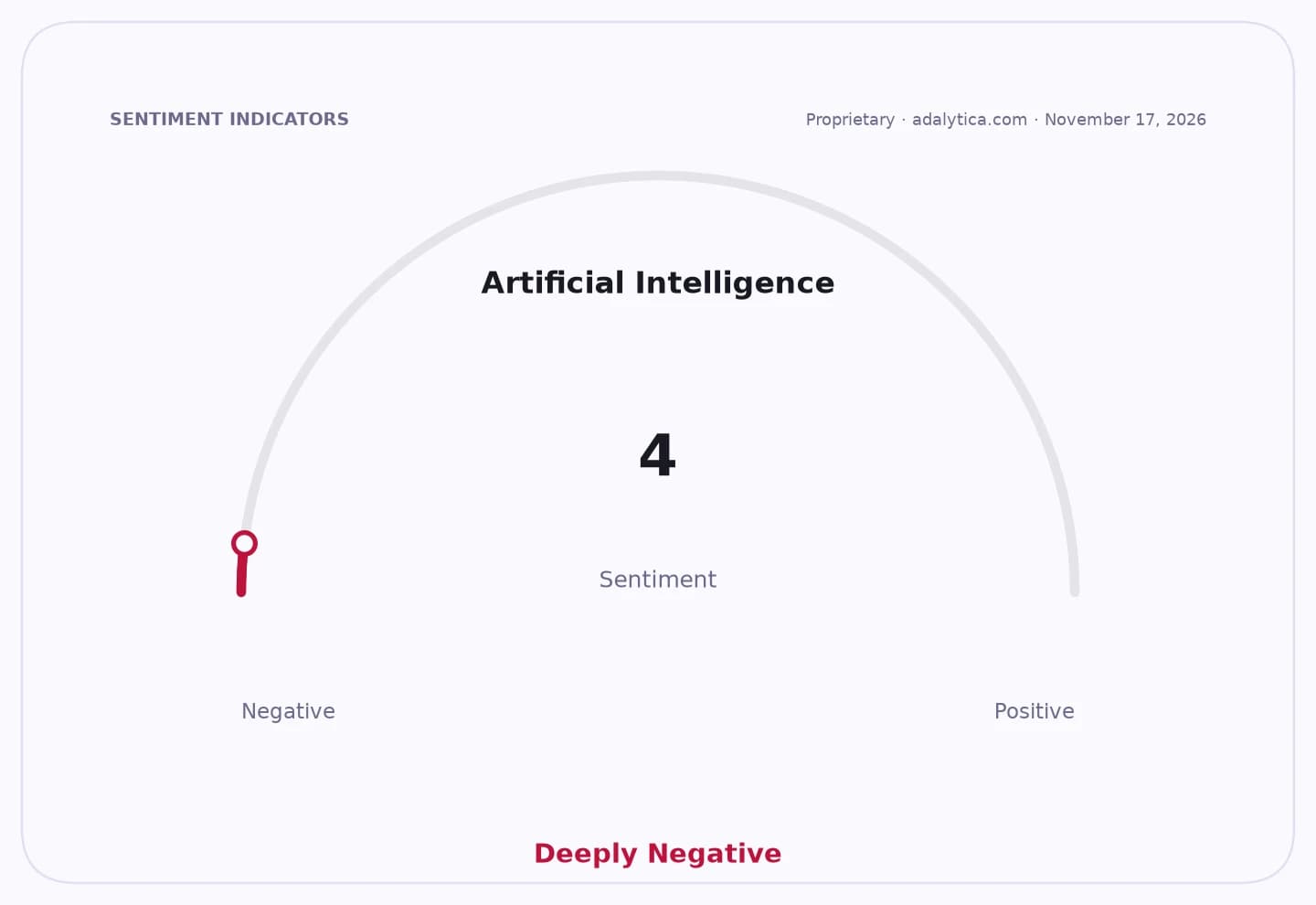
Sentiment Indicators
One software tester in Ho Chi Minh City said he was dismissed in the afternoon after a morning project meeting that gave no warning. He has since sent more than 20 applications and received only three replies. Another back-end programmer lost his job after his game studio shed two major projects and later closed its Ho Chi Minh City branch. Both were offered only one month of pay support, underscoring how abruptly the correction is hitting workers.
The evidence points to a market that has cooled beyond a simple hiring pause. ITviec data cited in the report show active postings fell 22% in just over two months to 629 by Oct. 30, with nearly half of roles aimed at senior specialists, team leads and managers, while only 5% were open to less experienced candidates. That mix matters: it suggests companies still need talent, but want people who can cover broader responsibilities and work alongside AI tools rather than perform narrow tasks.
For employers, the economics are straightforward. Using AI to draft test scripts, analyze bugs and automate parts of quality assurance lowers headcount needs and improves productivity per engineer. For workers, the consequences are harsher. Roles built around manual QA, basic interface testing and simple support work are losing bargaining power, while even mid-career specialists report that employers are leaning toward younger candidates who can be hired at lower cost.
That dynamic is already showing up in pay and hiring behavior. Recruiters say some programming and testing offers are now 3 million to 5 million dong a month below peak levels, while teams that once posted four or five openings may now advertise only one or two. In outsourcing and project-based software work, demand is also more exposed to clients delaying implementation, which amplifies the slowdown when budgets tighten.
The message for investors is that AI is not only a capex story for global tech giants; it is also a labor-cost story for services firms and outsourced development hubs across Southeast Asia. Companies that can fold AI into delivery without damaging quality may protect margins. Those dependent on labor-heavy execution, especially in testing and routine coding, face slower hiring, thinner pipelines and greater pressure to restructure.
The bull case is that this is a transition rather than a collapse: workers who deepen their technical base, learn to supervise AI output and move into systems, automation and client-facing roles can still find demand. The bear case is that the market is repricing an entire layer of IT labor, leaving fewer entry points for graduates and junior staff and forcing older specialists to compete for a smaller pool of higher-value jobs.
What happens next will depend on whether project pipelines recover and whether AI adoption keeps replacing the kind of standardized work that once absorbed large teams. For now, Ho Chi Minh City’s technology job market looks less like a hiring slowdown than a structural reset.
| Entity | Gains | Losses |
|---|---|---|
| Employers | ▲Lower labor costs | ▼Less staffing flexibility |
| Senior IT specialists | ▲Higher demand for advanced skills | ▼Fewer easy openings |
| Junior QA/testers | ▲Skill-up opportunity | ▼Fewer entry-level roles |
| AI-enabled firms | ▲Better productivity | ▼Manual-service providers |