Academics are running into a more difficult hiring market as the U.S. labor backdrop cools and employers post fewer openings, narrowing opportunities in a field already shaped by budget pressure, automation and shifting demand for skilled labor.
U.S. Labor Market Weakens for Academics
Job Market
That matters because universities and research institutions are highly exposed to changes in funding and hiring appetite. When vacancies ease and unemployment stops falling, early-career academics, adjuncts and mid-career specialists usually feel the strain first, while candidates in high-demand fields such as AI, engineering and health sciences tend to hold up better.
Sentiment Indicators
The U.S. unemployment rate is forecast at 4.11% for November, little changed from 4.1% in October, signaling a labor market that is no longer tightening meaningfully. Nonfarm payrolls are also expected to rise only modestly, reinforcing the view that hiring is steady but not broad-based enough to absorb all job seekers.
Openings data point in the same direction. Job vacancies were 7.523 million in September, below the 12.301 million peak seen in 2022 and well off the 11.520 million surge in late 2021, showing that employers are still posting jobs but with far less urgency than during the post-pandemic boom.
For academics, the squeeze is especially visible in the lower end of the market. Disciplines tied to discretionary spending, soft enrollments or grant uncertainty are facing tougher odds, while candidates with applied expertise, industry links or technical skills remain more employable.
The broader employment picture also helps explain why investors are paying attention. A slower labor market supports the case for easier policy later, but it also points to softer demand and weaker wage pressure, a mix that can affect everything from consumer spending to university finances and hiring plans at education companies.
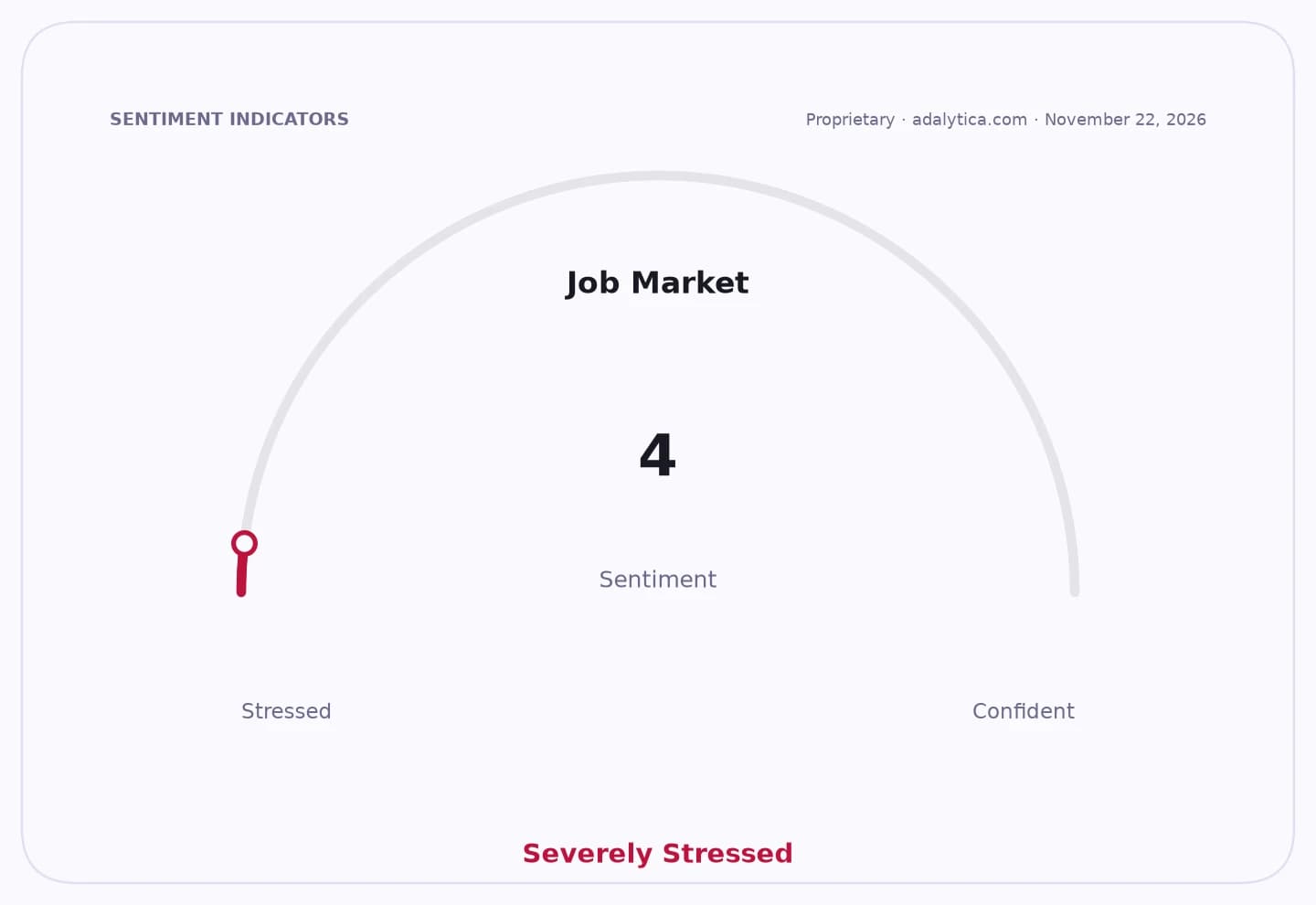
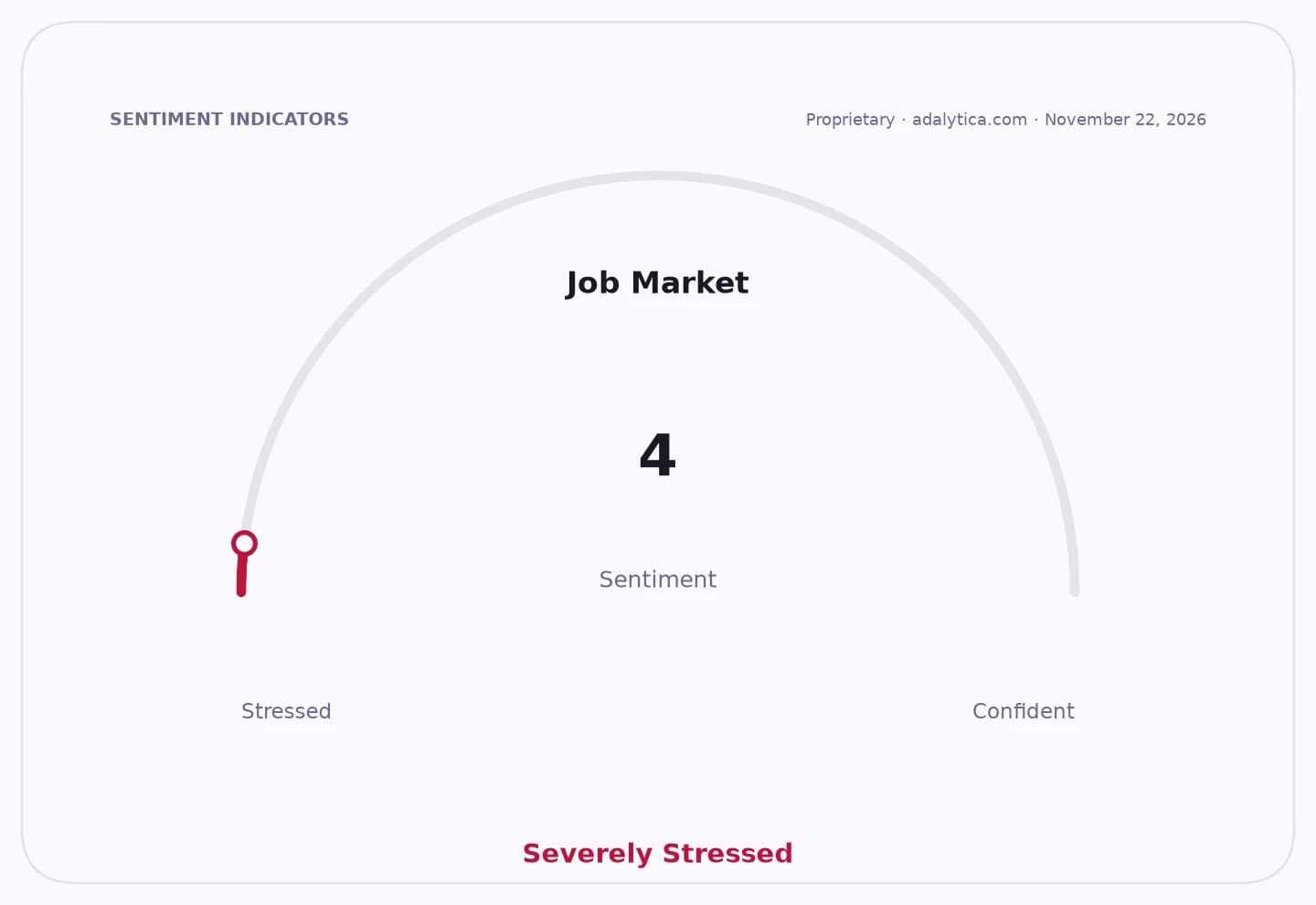
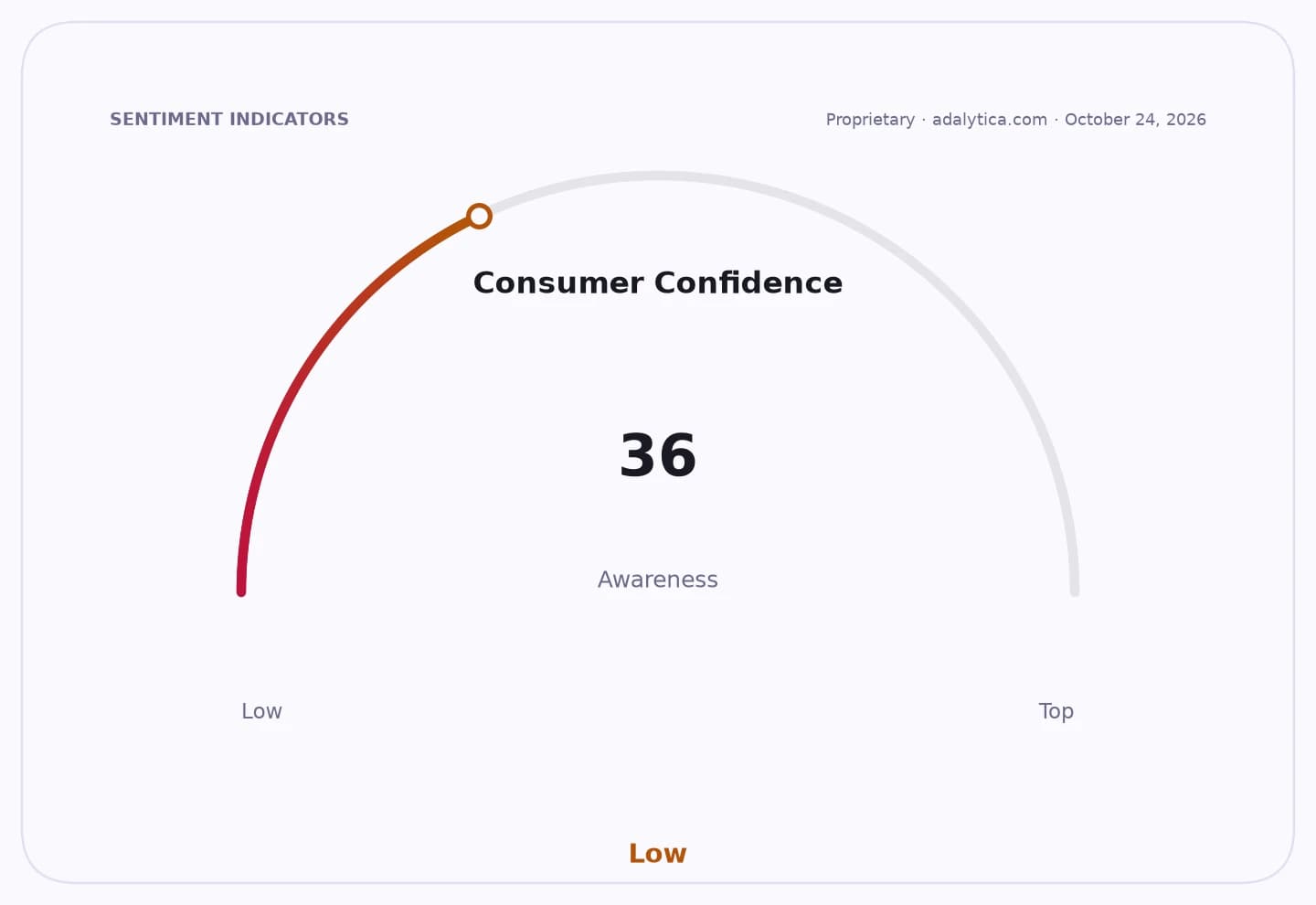
Adalytica’s Job Market Sentiment gauge sits at 4, labeled “Extreme Fear,” with awareness still neutral, underscoring how sharply confidence has deteriorated in recent weeks. That lines up with the view that job seekers, including academics, are seeing fewer easy openings and more competition for the roles that remain.
The next catalyst is the November labor report and fresh vacancy data, which will show whether hiring weakness is broadening or whether scarce but still-resilient demand in specialized fields keeps some academics insulated.
| Entity | Gains | Losses |
|---|---|---|
| AI, engineering, health sciences academics | ▲More openings | ▼Slower fields |
| Universities with tight budgets | ▲Hiring flexibility | ▼Staffing breadth |
| Job seekers in academia | ▲Higher demand in niche skills | ▼Fewer overall vacancies |
| Employers | ▲Lower labor pressure | ▼Harder talent access |