A solid U.S. labor market is creating high-paying openings in technology, cloud and health care, but tighter visa enforcement is making those jobs far harder for Indian professionals to capture.
U.S. labor market and visa rules hit Indian tech workers
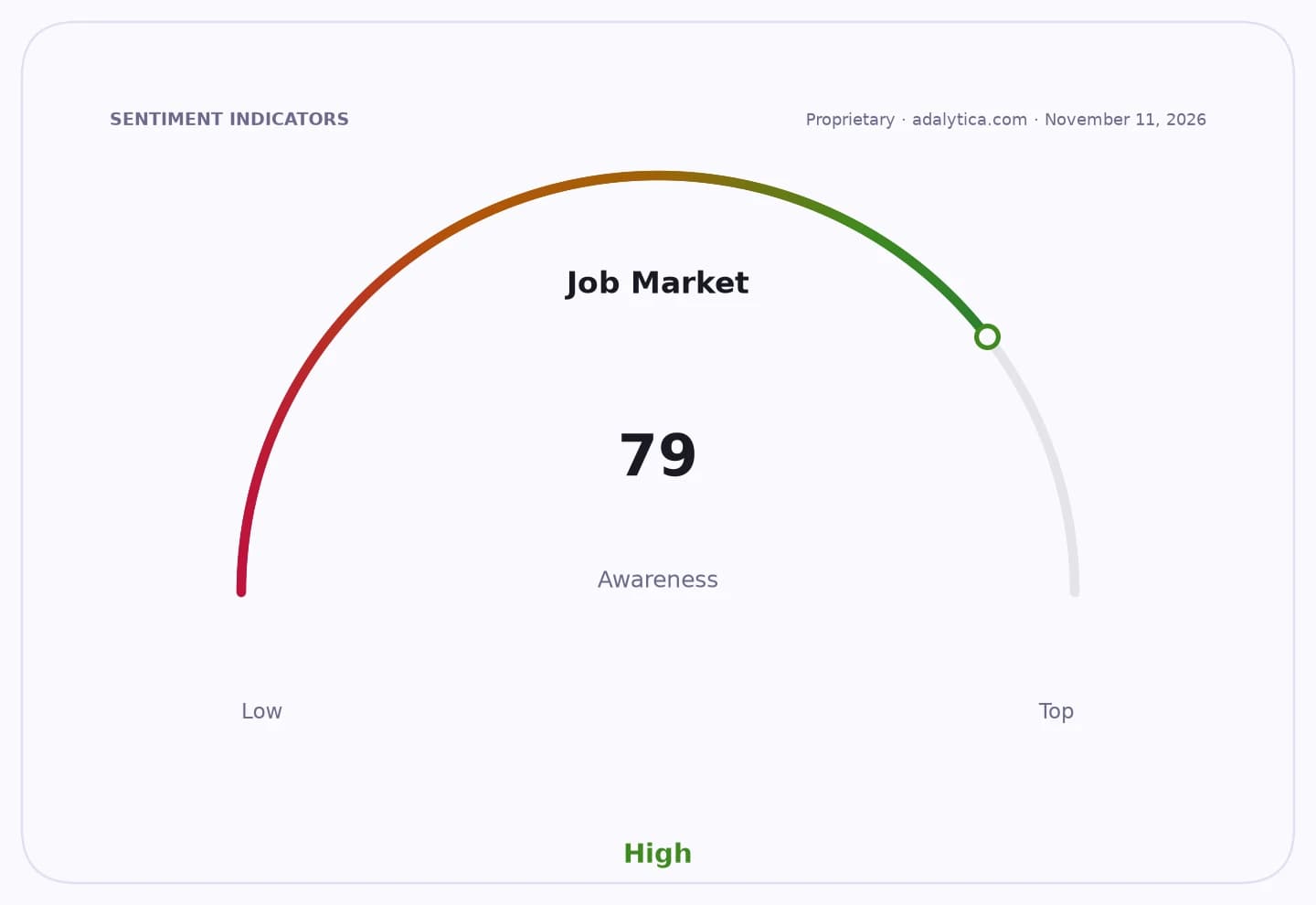
The latest U.S. labor data point to an economy that is still generating demand for skilled workers even as hiring has become more selective. Job openings rose to 7.523 million in September 2026 from 7.19 million in August, while the unemployment rate stayed near 4.1%-4.2% and payrolls were still edging higher. That combination matters because it shows the U.S. is not short of jobs so much as short of workers with the exact skills employers want — and, increasingly, the immigration status to fill them.
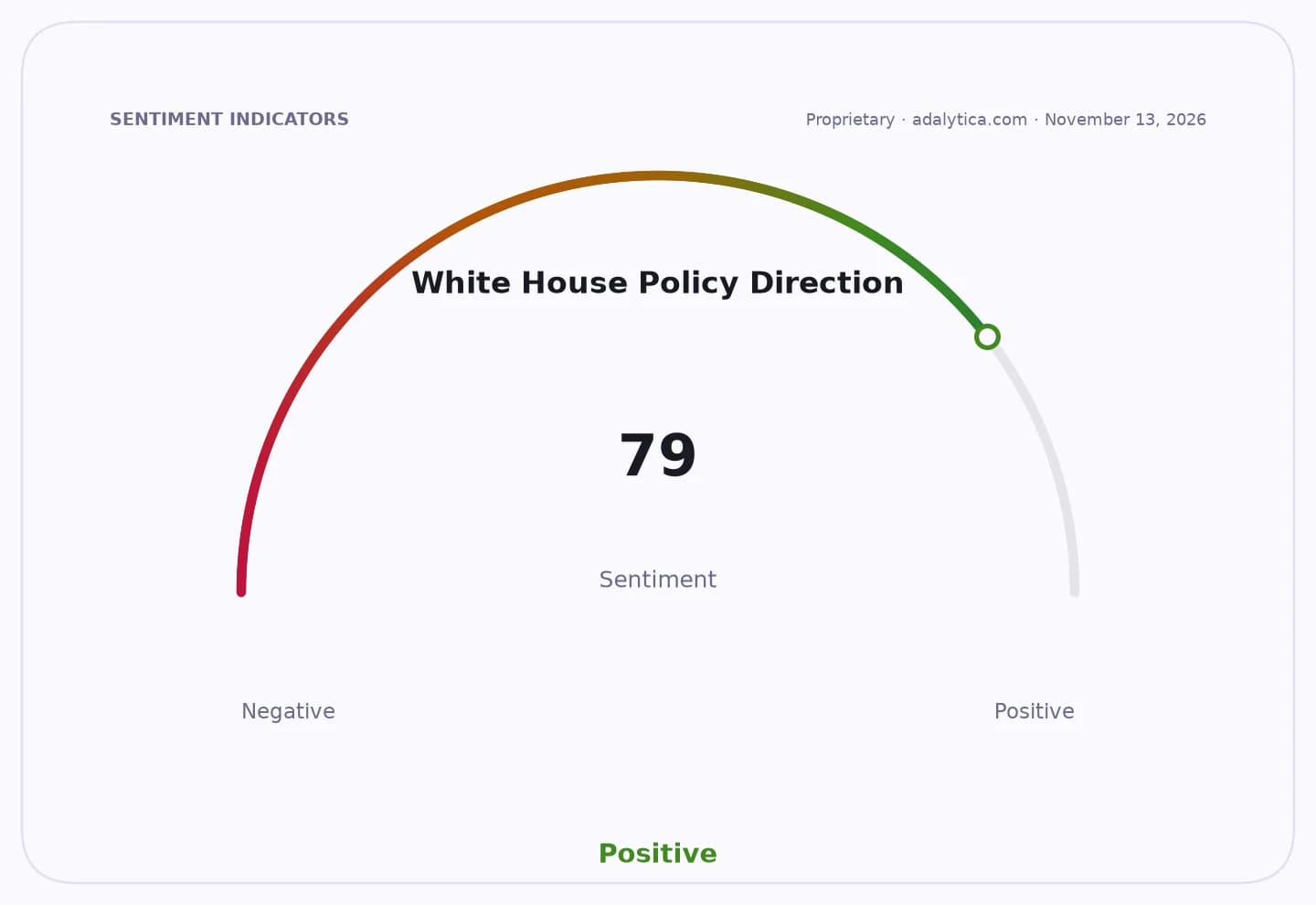
Sentiment Indicators
For Indian professionals, especially those in software and consulting, that has created a narrower path to the U.S. market. Employers are focusing on specialized capabilities in artificial intelligence, machine learning, cloud architecture, cyber security, advanced data analytics and biotech rather than general IT experience. At the same time, stricter visa checks and long waits for green cards are making companies more cautious about sponsorship, limiting access to roles that once would have been open to foreign talent with the right technical background.
That shift has broader economic consequences. The U.S. benefits from a labor market that can still absorb high-end talent without overheating, while employers get more leverage to demand scarce skills. But tougher visa rules also risk reducing the supply of experienced engineers and consultants just as companies are ramping up spending on AI and digital infrastructure. For sectors such as IT services, consulting and enterprise software, the result is a more fragmented hiring market in which domestic candidates with niche skills are advantaged and overseas applicants face higher barriers.
The policy backdrop is reinforcing that divide. The move by some large employers, including IBM, to stop sponsoring H-1B visas and green cards for most consulting roles underscores how immigration constraints are reshaping corporate staffing decisions. Reuters has also reported the revocation of more than 300,000 visas, a record, which has sharpened scrutiny of foreign workers and added to what Indian professionals describe as reverse migration pressure.
That reverse flow is not just a human-capital story; it is also a competitive one. Indian engineers returning from the U.S. are finding opportunities in global capability centers and India’s own AI sector, which can strengthen local ecosystems. But it also raises competition for senior roles at home and may accelerate a reallocation of expertise away from the U.S. if visa access remains uncertain.
For investors, the main takeaway is that a strong labor market does not necessarily translate into broad-based hiring demand for foreign talent. The winners are U.S. employers with the ability to hire scarce specialists, domestic workers with high-end technical credentials and Indian firms that can absorb returning professionals. The losers are generalist candidates, visa-dependent job seekers and companies that rely on a flexible cross-border talent pipeline.
What to watch next is whether openings remain elevated while hiring stays selective, and whether more U.S. companies follow IBM in narrowing sponsorship. If they do, the imbalance between job creation and foreign-worker access is likely to persist, keeping the U.S. attractive for top-tier specialists but less accessible for the broader pool of Indian professionals seeking the classic American career path.
| Entity | Gains | Losses |
|---|---|---|
| U.S. employers with scarce-skill needs | ▲Access to highly specialized talent | ▼Less flexibility in sourcing overseas workers |
| Indian professionals in AI/cloud/cybersecurity | ▲Selective opportunities in premium roles | ▼Generalist IT candidates facing tighter access |
| U.S. companies reducing visa sponsorship | ▲Lower compliance and immigration risk | ▼Smaller talent pool for consulting and tech roles |
| India’s GCCs and AI sector | ▲Inflow of experienced returnees | ▼More intense competition for senior jobs |