Donald Trump’s tougher H-1B visa rules and tariffs on India have put a spotlight on whether his immigration and trade agenda weakened Republican support among Indian-American voters as the party suffered setbacks in the latest US midterm elections.
Trump H-1B Rules, India Tariffs, and Indian-American Votes
That question matters economically because Indian-Americans are heavily concentrated in technology, healthcare and entrepreneurship, sectors that depend on skilled immigration, cross-border trade and long-term policy stability. It matters politically because the community has become an increasingly important battleground in competitive suburban districts, especially as both parties court high-income, highly educated voters who are sensitive to visa policy and US-India ties.
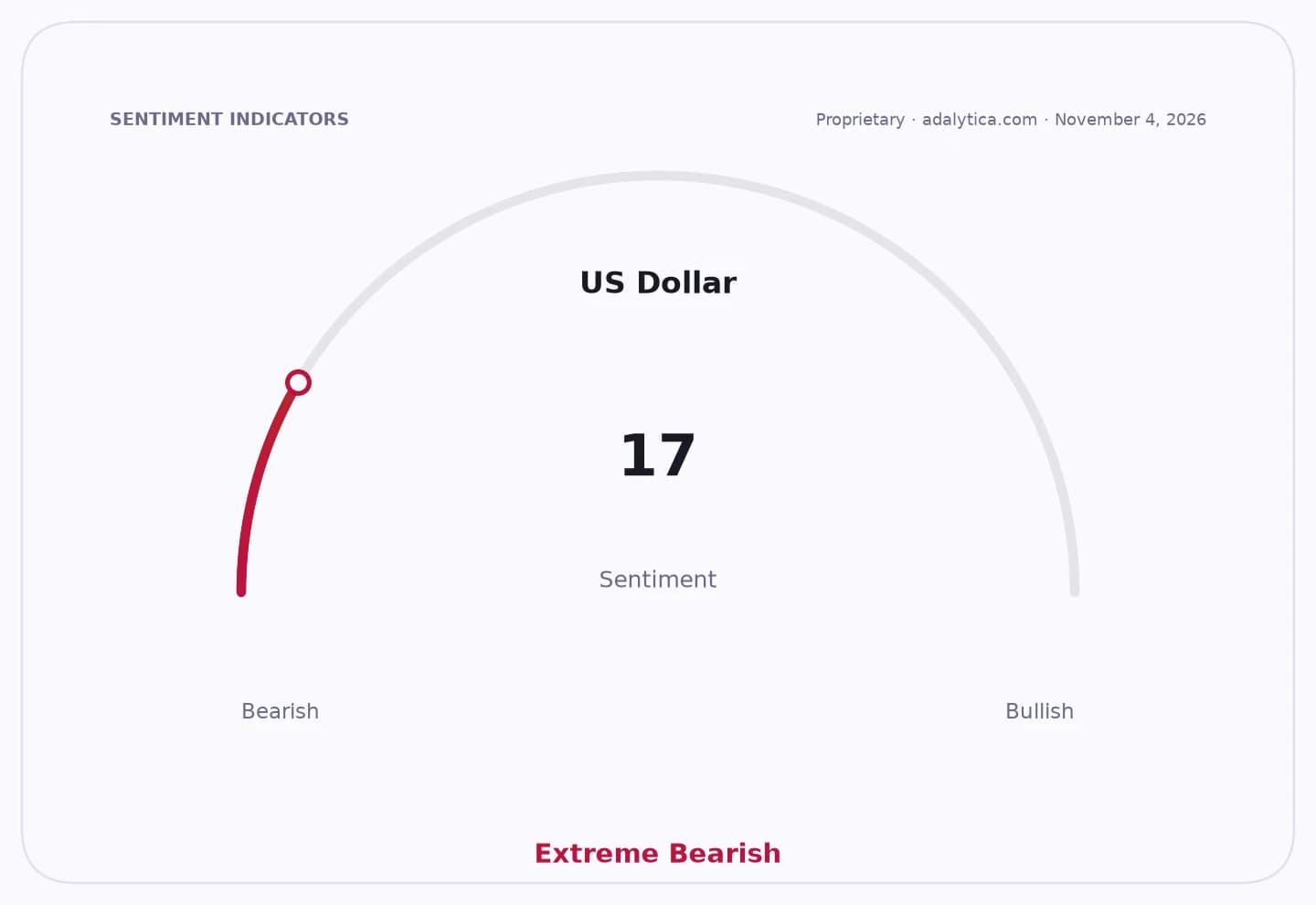
Sentiment Indicators
The midterm results showed a mixed but meaningful pattern. Several Indian-American Democrats held or won seats, including Ro Khanna in California, Pramila Jayapal in Washington and Ami Bera in California, while Republican candidates of Indian origin, including Vivek Ramaswamy in Ohio, lost high-profile races. The defeats do not prove a single-policy backlash, but they reinforce the view that Trump’s hard line on immigration and trade has complicated Republican outreach to a community with deep economic links to India and a large footprint in the US skilled-labor market.
The H-1B issue is especially sensitive because it reaches beyond symbolism and into household balance sheets. Trump’s administration imposed a $100,000 payment requirement for certain new H-1B petitions filed from outside the US, moved toward a weighted selection system favoring higher-paid applicants and floated tougher wage and screening rules. For many Indian professionals, those measures directly affect hiring prospects, visa renewals and green-card planning. For employers, especially in technology, they raise labor-cost uncertainty at a time when firms are already managing tighter margins and shifting supply chains.
Trade tensions add another layer. India is a major source of skilled workers and a critical commercial partner for US companies with exposure to outsourcing, digital services, manufacturing and consumer demand. Trump’s tariffs and combative trade posture may have pleased some protectionist voters, but they also risk alienating a diaspora that sees US-India relations through both business and family ties. The Reuters reporting and election outcomes suggest the political cost may be showing up first in candidate races, even if the broader policy direction remains intact for now.
For investors, the bigger implication is not an immediate policy reversal but the prospect of slower, less certain implementation. Democratic control of Congress can increase pressure on immigration and trade, yet many of the H-1B changes were driven by executive action and are unlikely to be undone quickly. That means companies exposed to US talent inflows, India-linked outsourcing and cross-border commerce should still plan for policy volatility rather than assume relief.
Markets have largely treated the issue as a second-order political risk, but it could become more material if it alters labor availability, wage pressure or the cost base for US technology and services firms. Adalytica’s trade signals on the S&P 500 show elevated awareness, while Microsoft and the India ETF INDA have both remained volatile, underscoring how policy uncertainty can coincide with broader swings in risk appetite even when the direct earnings impact is not yet visible.
The central narrative is that Trump’s H-1B crackdown and India tariffs may not have caused the Republican losses on their own, but they sharpened a broader tension inside the party: protectionist policy can energize the base while weakening ties with one of the fastest-growing and economically influential immigrant communities in the US. The next catalyst will be whether Democrats use their gains to press for narrower visa restrictions or more moderate trade policy, and whether Republicans respond by softening their tone toward Indian-American voters ahead of the next election cycle.
| Entity | Gains | Losses |
|---|---|---|
| Indian-American Democrats | ▲Seat retention and wins | ▼None of note |
| Indian-American Republicans | ▲Few gains from GOP base | ▼High-profile defeats |
| US tech employers | ▲Possible future policy moderation | ▼Higher visa and wage uncertainty |
| Trump Republicans | ▲Base support from hardline policies | ▼Diaspora support in swing areas |