Donald Trump’s defeat in the U.S. midterm elections could ease one of the biggest near-term risks hanging over India: tariffs, trade pressure and a harder line on market access from Washington.
India trade risks after Trump election defeat
For Indian investors and exporters, that matters because the U.S. is one of India’s most important external markets, and the policy mix after the vote looks less one-sided than before. A Democratic-controlled Congress would not strip Trump of his executive power, but it could make unilateral tariff moves more politically difficult and give India more room to negotiate on its own terms.
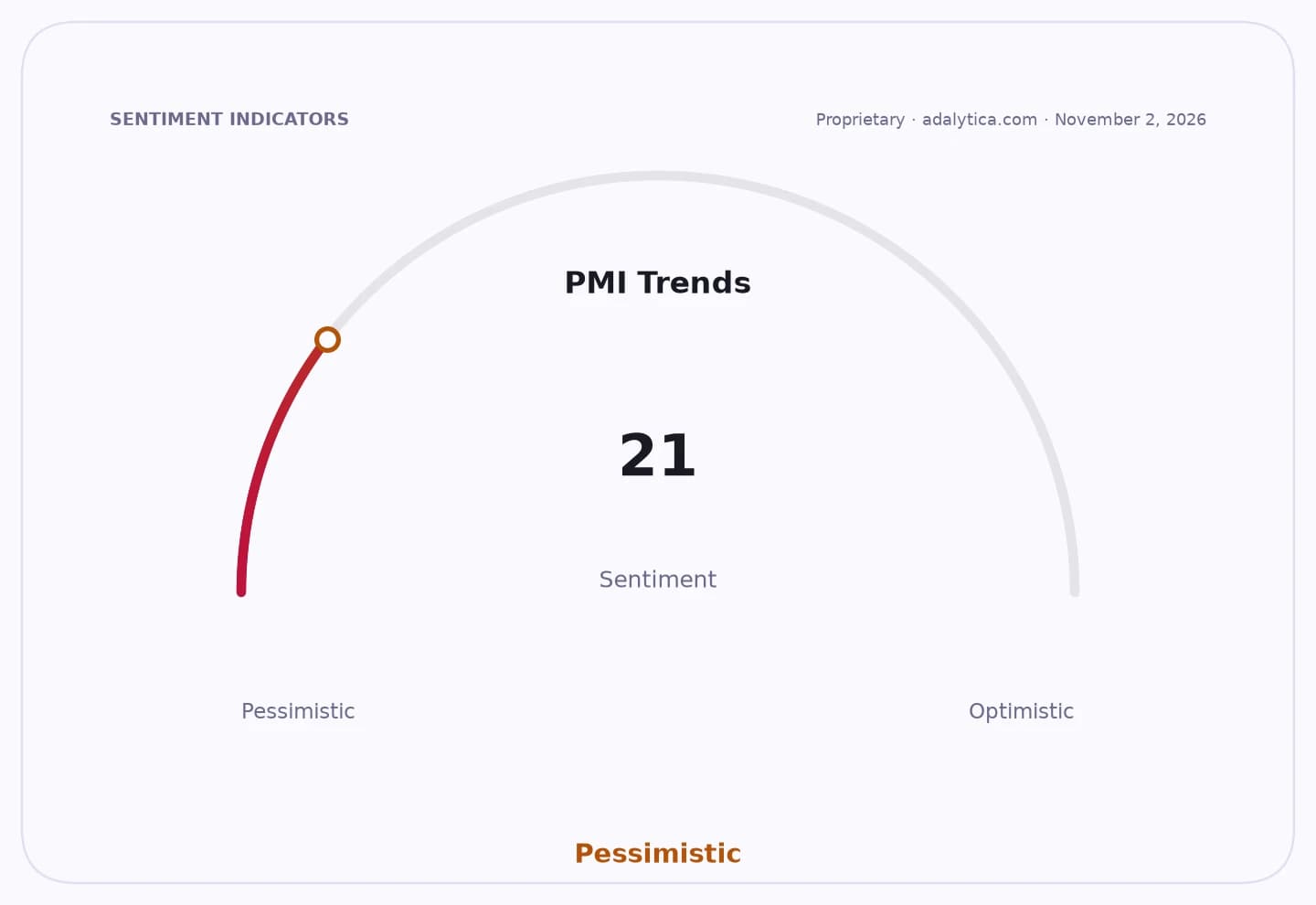
Sentiment Indicators
That’s the economic significance of this shift. India has spent years trying to balance a growing trade relationship with Washington against recurring friction over tariffs, access to farm and industrial markets, visa rules and Russian oil purchases. If congressional oversight rises, the immediate upside is not a dramatic policy reversal, but a lower probability of sudden trade shocks that can hit exporters, especially in manufacturing and goods linked to the U.S. supply chain.
Investors should read this as a modest but meaningful de-risking event. The India-focused ETF INDA has already rebounded to about $50.89, above its 50-day moving average of roughly $47.87 and its 200-day average of $49.11, while its RSI has climbed to 77.6, a sign the recent rally has become extended. That move suggests markets are already pricing in a friendlier policy backdrop, though not necessarily a clean one.
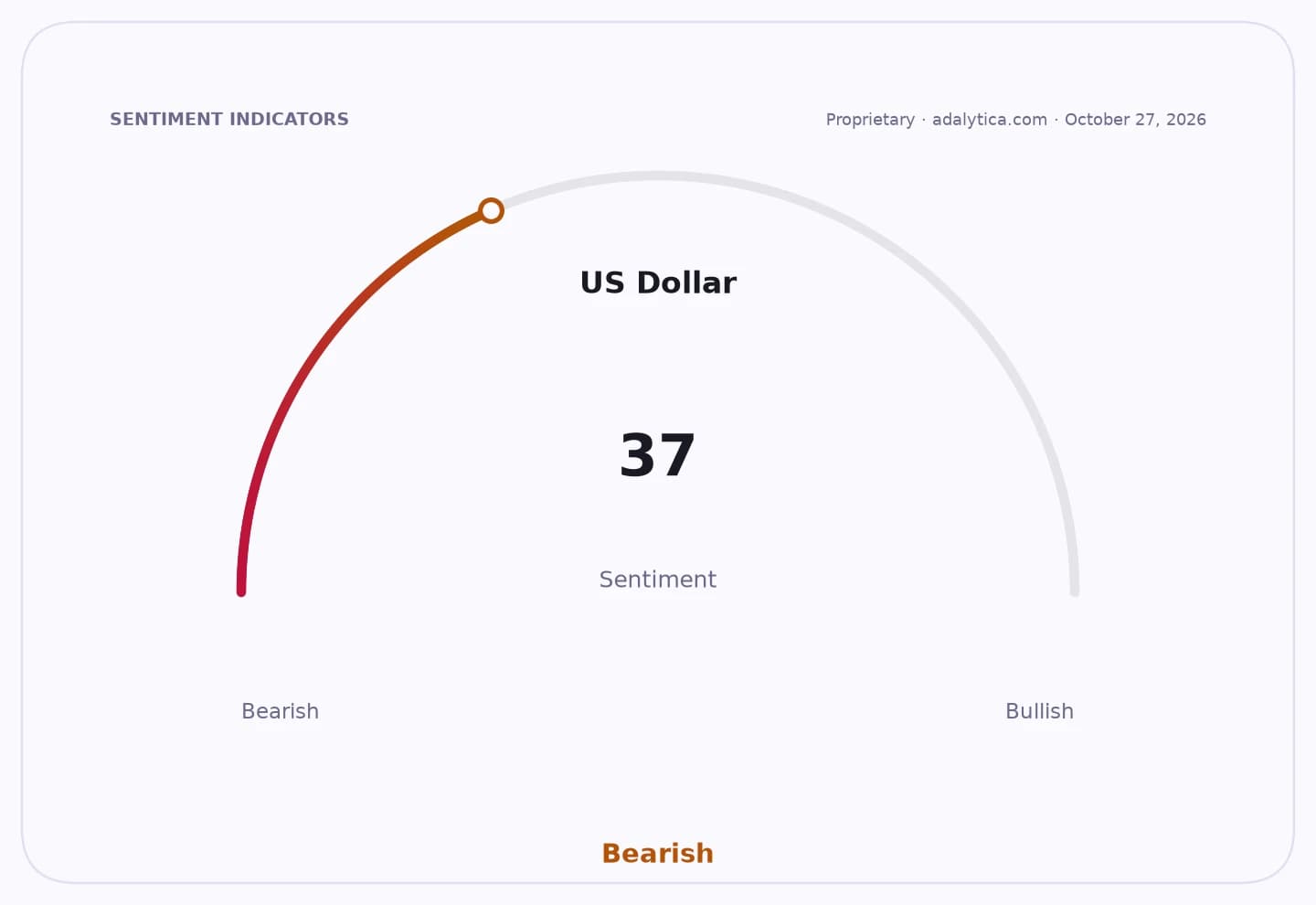
US Dollar
The key narrative is not that India suddenly gets a windfall. It is that the bargaining table may tilt a little less sharply against it. Global Trade Research Initiative says Trump may now want to close a deal quickly and claim a diplomatic win, but that cuts both ways: India could be offered a faster pact at the cost of bigger concessions on agriculture, industrial imports and procurement. New Delhi has said it intends to buy $500 billion of U.S. products over five years under the trade framework due by February 2026, so the scope for pressure remains very real.
That’s why the Democrats’ win is best understood as a partial buffer, not an escape hatch. Congressional scrutiny could make tariff escalation harder, but it will not erase Trump’s executive authority or his ability to threaten new levies if he wants leverage. The Russian oil issue remains especially important for India, because Washington has already warned that purchases could invite additional tariffs. Any renewed fight there would quickly spill over into currency, import costs and sentiment around India’s external accounts.
The broader market takeaway is straightforward: less political risk is still better than more political risk. For long-term investors, that favors India’s exporters, IT services and companies exposed to smoother U.S. trade relations, while leaving import-sensitive sectors and firms dependent on stable energy prices vulnerable to policy swings. As always, the right response is not to bet the portfolio on one election result, but to keep India as part of a diversified, long-term allocation and watch whether diplomacy, not brinkmanship, starts driving the next chapter of U.S.-India trade.
| Entity | Gains | Losses |
|---|---|---|
| Indian exporters | ▲Lower tariff risk | ▼Fewer surprises |
| India’s government | ▲More room to negotiate | ▼Pressure for concessions |
| U.S. consumers | ▲Steadier supply links | ▼Less leverage on market access |
| Trump administration | ▲Faster deal if it wants a win | ▼Harder path to unilateral tariffs |