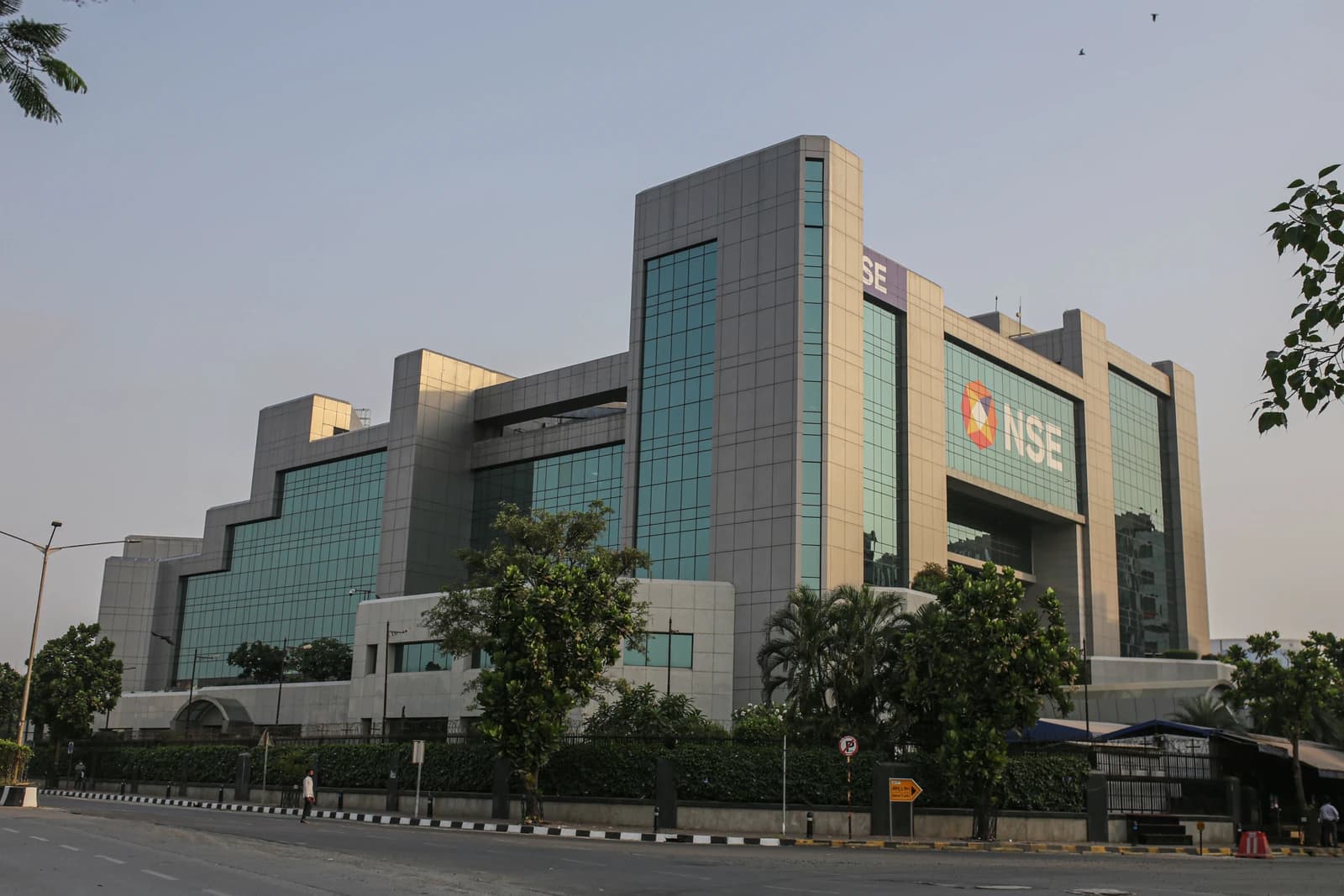
India’s bond market and currency are finally getting a breather from the recent pressure, but the move is still fragile. The 10-year government bond yield recovered from an intraday low of 7.07% and closed at 7.17% on Thursday, while the rupee strengthened for a fifth straight session to 94.48 per dollar as cheaper crude eased one of India’s biggest external risks.
India rupee and 10-year yield stabilize on cheaper oil
That matters because lower oil prices can improve India’s inflation outlook, trim the current-account bill and reduce the government’s financing strain at the margin. For investors, it also means the market is beginning to price in a little less panic and a little more breathing room for both fixed income and the currency — even if neither has yet fully broken out of its recent range.
Sentiment Indicators
The bond market’s retreat from its lows was driven in part by state-run banks likely booking profits after the earlier rally, traders said, and by caution ahead of Friday’s gilt auction, where New Delhi plans to raise ₹36,000 crore through bonds due in 2041 and 2076. That is a heavy-duration sale, and the market will want proof that demand can absorb the supply without forcing yields back up.
This is the key point for long-term investors: India’s borrowing costs are not moving in a straight line, but the direction of travel will be shaped by oil, foreign flows and how much appetite banks and other buyers show at auctions. Gopal Tripathi of Jana Small Finance Bank said 7.14%-7.15% was an important level for the 10-year yield, and that a sustained break below 7.10% could open the door to 6.90%-6.95% — though only if crude falls further.
The rupee’s gain has the same underlying logic. A near 9% overnight drop in Brent, a softer dollar and improving sentiment around foreign portfolio inflows all helped the currency, which briefly touched 94.3200 before dollar demand from importers emerged and the Reserve Bank of India likely stepped in around 94.35. Traders also cited hopes of possible tax relief on long-term capital gains and the aftermath of the US midterm elections as additional support.
For investors, the message is less about one day’s move than about what it says about India’s macro resilience. If oil stays contained and global stress eases, the rupee could test 93.80-94.00 in the near term, while bond yields may have room to drift lower from current levels. But the risks are not gone: West Asia remains an obvious swing factor, US Treasury moves can quickly spill over, and Friday’s auction will test whether domestic buyers are truly ready to absorb fresh supply.
In other words, this is the kind of market setup long-term investors should watch, not chase. Cheaper oil and a steadier rupee can be constructive for India equities, bonds and rate-sensitive sectors over time, but the path will likely remain choppy. For now, the better takeaway is that India’s macro backdrop looks a little less threatening than it did a few sessions ago — and that is usually where durable investing opportunities start.
| Entity | Gains | Losses |
|---|---|---|
| Indian rupee | ▲Near-term support | ▼Importers needing dollars |
| Indian bond investors | ▲Lower-yield opportunity | ▼Sellers taking profits |
| Government of India | ▲Easier financing backdrop | ▼Auction if demand is weak |
| Oil importers | ▲Cheaper crude relief | ▼Exporters tied to high oil prices |