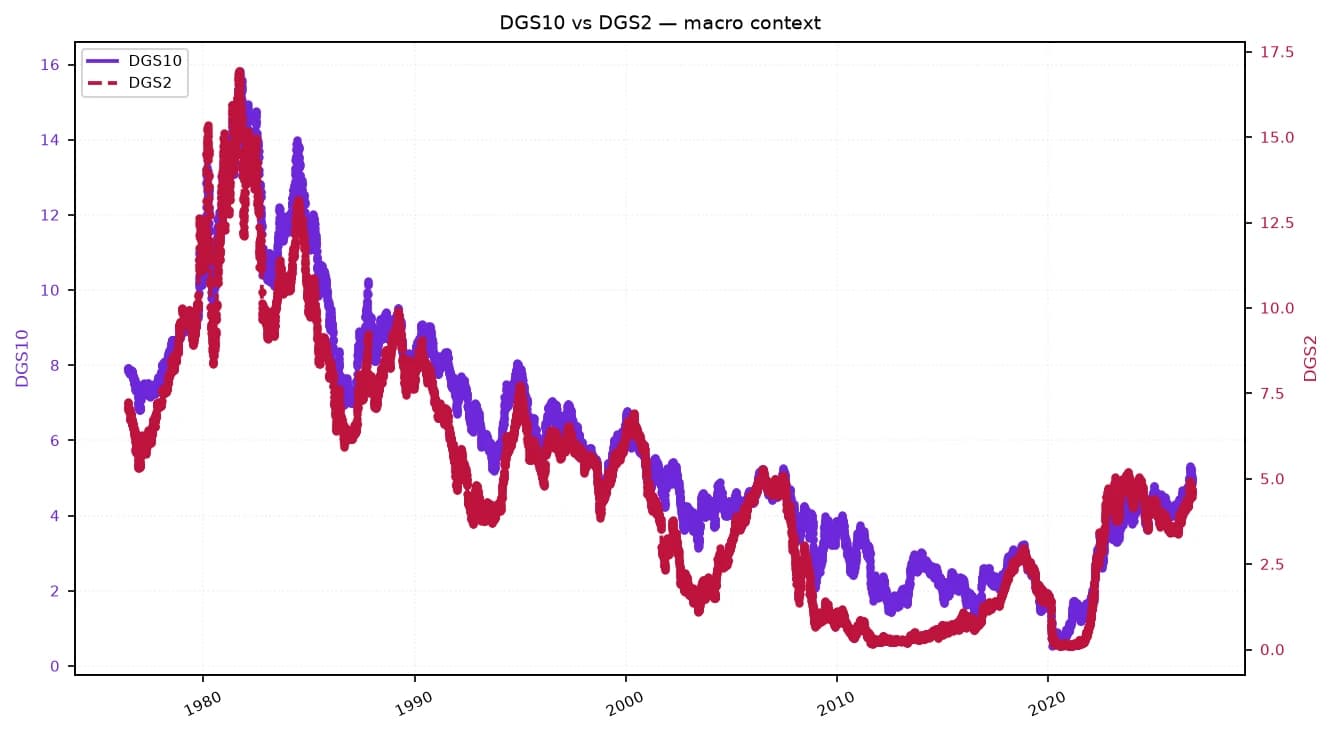
India’s government bond market is still not offering enough compensation to pull in meaningful foreign debt money, even after its 10-year yield spread over US Treasuries widened past 240 basis points.
India Bonds Need Wider Spread for Foreign Inflows

Market participants say the gap needs to exceed 300 basis points on a fully hedged basis before foreign portfolio investors are likely to return in size, underscoring how India’s funding costs, currency moves and global rate expectations are still keeping overseas buyers cautious. October saw foreign investors sell about ₹5,615 crore of bonds, though that was less than in the prior month.
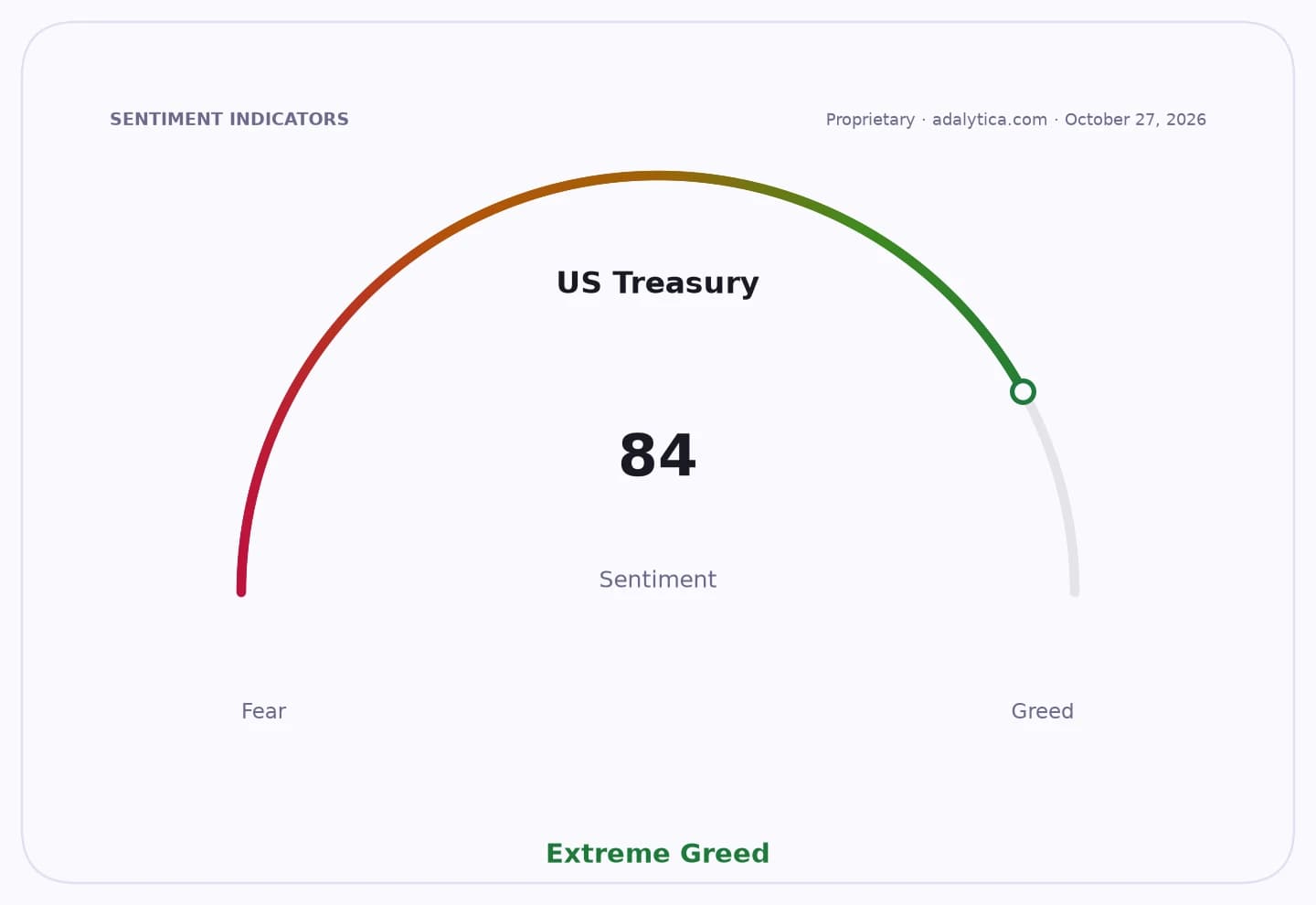
Sentiment Indicators

The issue matters because foreign debt flows help deepen liquidity in Indian bonds, support demand at government auctions and influence borrowing costs across the economy. When global investors stay away, the burden shifts more heavily to domestic banks and local institutions, while the state may have to offer higher yields to clear supply.
A stronger rupee has helped cushion some of the pressure from outflows, but it has not changed the basic math for overseas buyers. “The US-India sovereign yields differential has definitely improved, but the spread needs to be more if India has to attract foreign debt flows,” said Gaurav Kapoor, chief economist at IndusInd Bank, adding that the gap is still insufficient once currency hedging costs are taken into account.
Market Expectations
That view was echoed by Alok Singh, head of treasury at CSB Bank, who said debt outflows were driven not only by the yield differential but also by the appeal of US rates and the importance of currency stability. With the US 10-year Treasury yield holding above 4.8% and the Federal Reserve still in focus, India needs a wider premium to compete for global fixed-income capital.
For investors, the setup points to continued volatility in Indian bonds and the rupee, even if the worst of the selling has eased. A sustained pickup in foreign demand would likely require either a larger rise in Indian yields, a softer US rate backdrop or a more stable rupee that lowers hedging costs for overseas buyers.
| Entity | Gains | Losses |
|---|---|---|
| Indian bond buyers | ▲Higher yields | ▼Price gains capped |
| Foreign portfolio investors | ▲Better entry levels if spread widens | ▼Lower current carry appeal |
| India government | ▲Easier auctions if inflows return | ▼Higher borrowing costs if flows stay weak |
| US Treasuries | ▲Safe-haven demand | ▼Relative appeal if India premium widens |