The 10-year government bond yield dropped 10 basis points to 7.31%, its steepest fall since April, as a nearly 5% slide in oil prices eased inflation pressure and offered some relief to debt markets.
India 10-Year Yield Falls 10 bps as Oil Slips
The benchmark yield opened at 7.40% and fell steadily through the session as Brent crude retreated to about $108 a barrel after touching a six-month high last week. Lower oil prices tend to cool imported inflation and reduce pressure on the Reserve Bank of India to keep policy tight for longer, which is why the move mattered for both bond traders and equity investors.
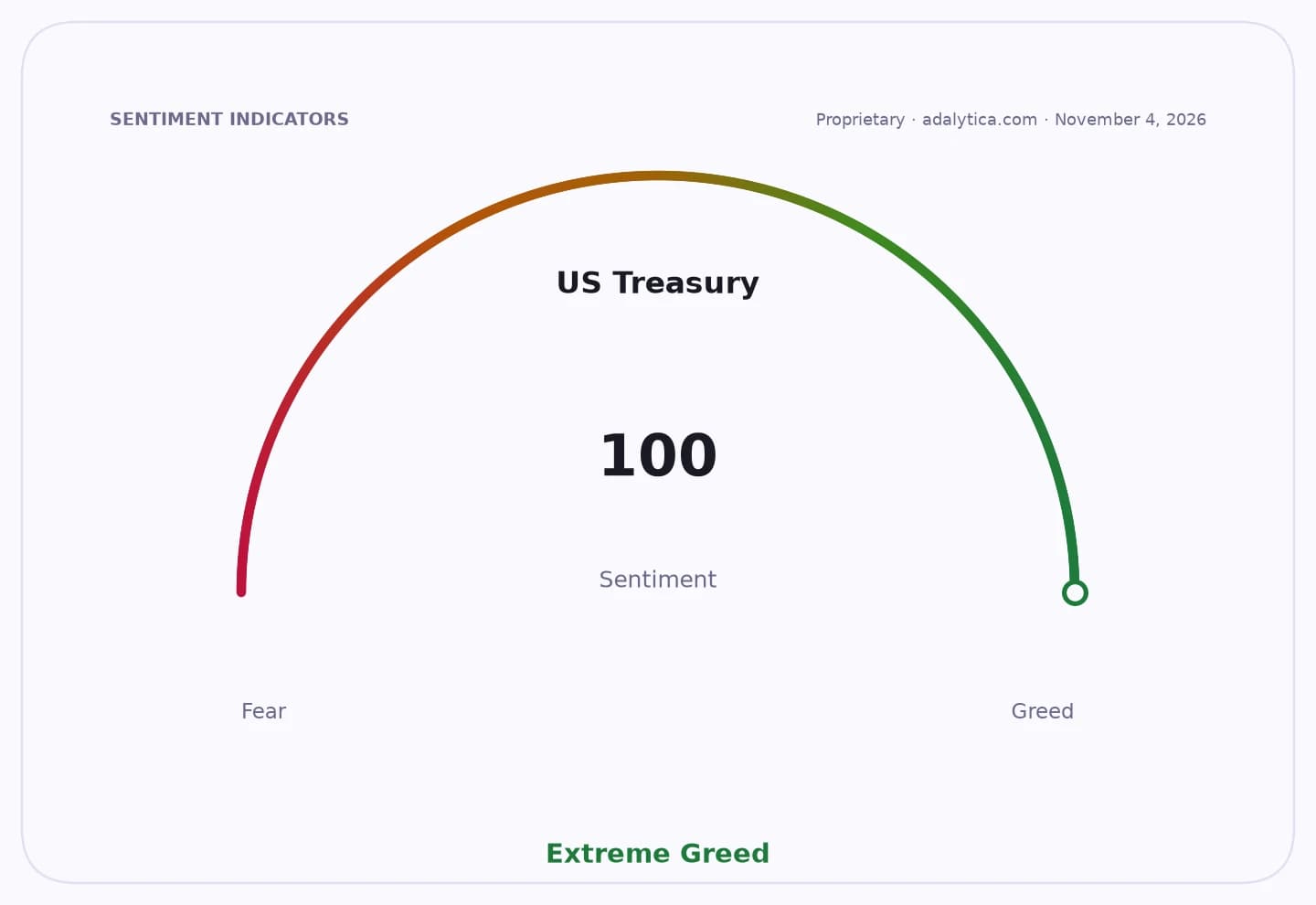
Sentiment Indicators
Traders were also reluctant to add fresh positions before Tuesday’s U.S. midterm elections, leaving the market in wait-and-see mode rather than chasing the rally in government debt. That pause is significant because global risk assets have been sensitive to shifts in U.S. politics, Fed expectations and commodity prices, all of which feed into foreign capital flows and domestic yield moves.
“The market is finding some footing” as crude eases and the rupee strengthens, said Gopal Tripathi, head of treasury and capital markets at Jana Small Finance Bank, adding that a better surplus in the banking system also reduced pressure on rates. The combination of lower oil, a firmer currency and improved liquidity helped drive the move, even as investors held back on making big bets ahead of the election outcome.
The drop in yields also supports bond prices and can ease financing costs across the economy, from government borrowing to corporate debt issuance. It may also give rate-sensitive sectors a temporary lift, though the pace of follow-through will depend on whether oil keeps easing and whether global markets stay calm after the U.S. vote.
For now, the key test is whether the decline in crude becomes durable enough to keep yields pinned lower, or whether traders resume selling if inflation risks reappear. A rebound in oil or a shift in global risk sentiment could quickly reverse the move.
| Entity | Gains | Losses |
|---|---|---|
| Bond investors | ▲Higher bond prices | ▼Lower immediate yield income |
| Borrowers | ▲Cheaper funding costs | ▼Less urgency to lock in higher rates |
| Oil exporters | ▲Softer demand tailwind fades | ▼Revenue pressure from lower crude |
| Rate-sensitive equities | ▲Relief from easing yields | ▼Less benefit if yields rebound |