The 10-year Treasury yield eased to 4.89% on Nov. 3, pulling back after touching 5.24% late last month as traders positioned for the US election and digested softer oil prices, a smaller-than-expected quarterly borrowing estimate and signs that the bond rout may be overextended.
10-Year Treasury Yield Falls to 4.89% Before Election

The move matters because Treasury yields sit at the center of global pricing for mortgages, corporate debt, equities and the dollar. A retreat from the October peak gives rate-sensitive parts of the market some breathing room, even as yields remain near cycle highs and well above levels that prevailed earlier this year.
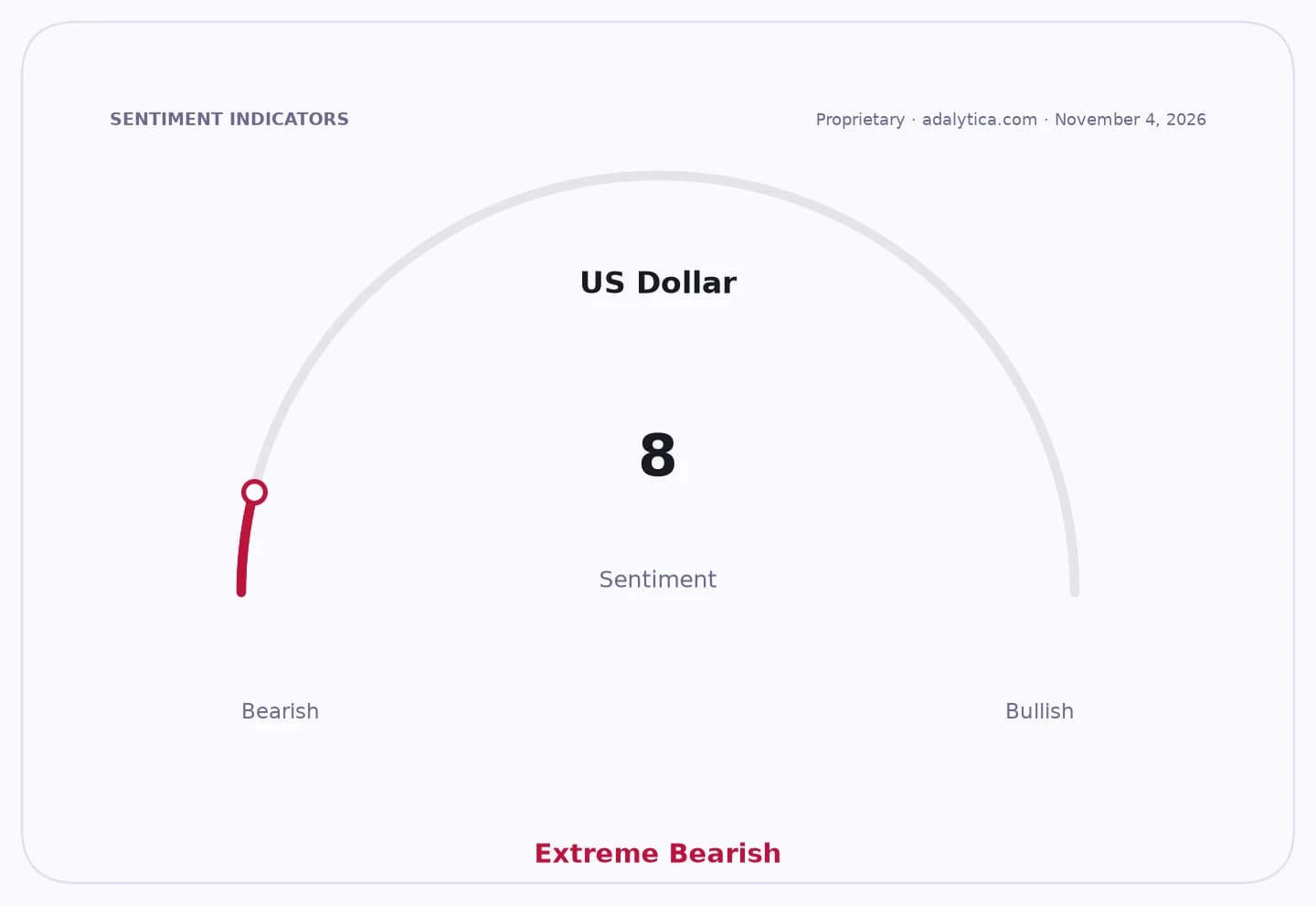
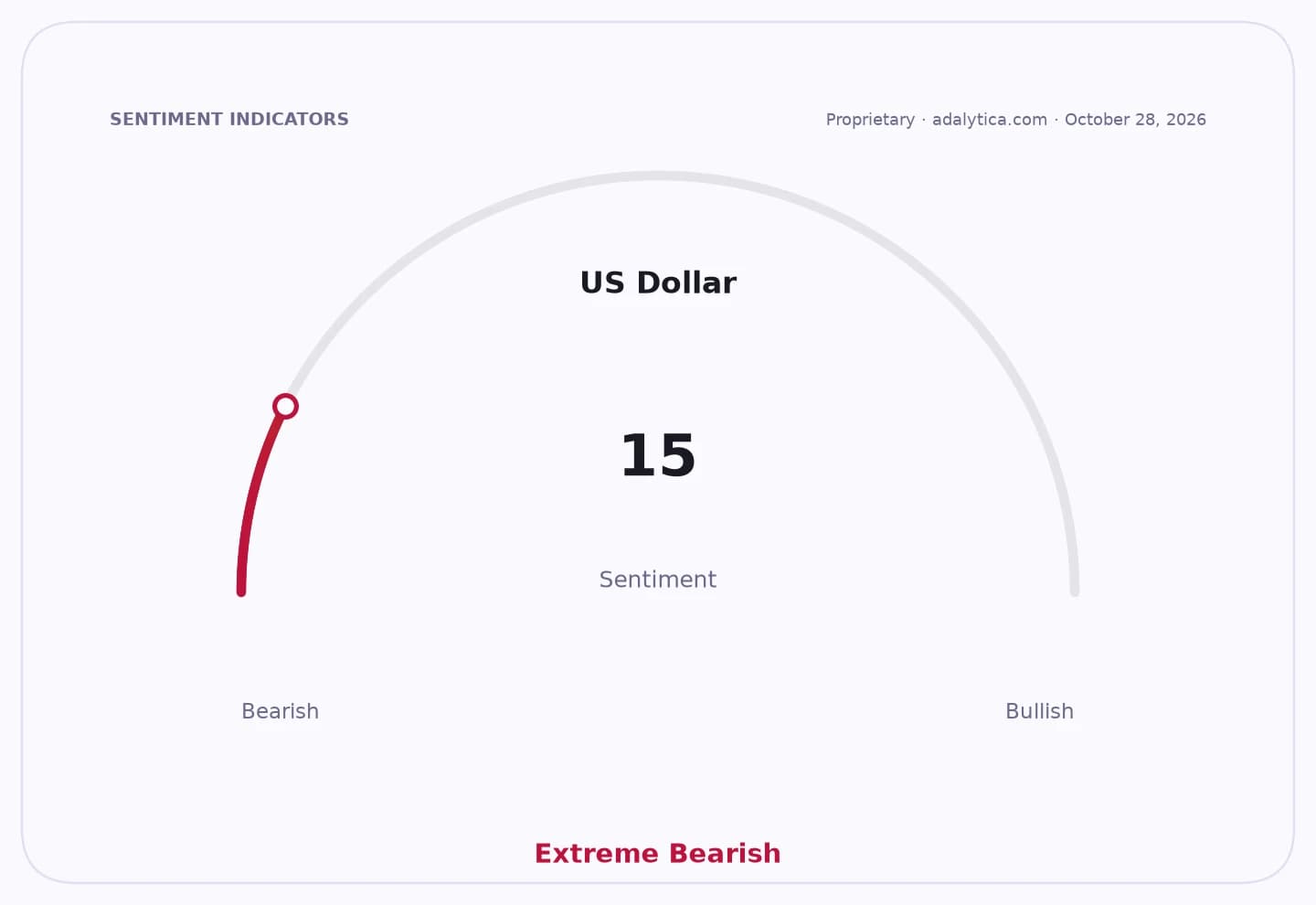
Sentiment Indicators
Benchmark borrowing costs were still elevated, with the 10-year note down from 4.91% on Nov. 2 and the 30-year bond yield at 4.59%, slightly below the prior session. The 2-year yield, which tracks near-term Federal Reserve expectations, fell to 4.53% from 4.59% two days earlier, leaving the 2s-10s spread at 34 basis points.
That curve shape suggests investors still expect slower growth and eventual policy easing, but not yet a recessionary collapse in activity. The spread had flattened to 31.3 basis points after steepening in previous sessions, underscoring how quickly conviction is shifting around the election and the outlook for fiscal policy.
Oil’s sharp drop helped push yields lower, after Iran signaled some movement on peace talks, reducing one source of inflation anxiety. Lower crude prices ease pressure on consumer prices and inflation breakevens, which in turn supports Treasuries.
At the same time, the Treasury Department said it expects to borrow $618 billion in the fourth quarter, $10 billion less than projected in August. That modestly softer funding estimate removes some pressure from the long end, even as supply remains heavy by historical standards.
But the macro backdrop is not fully benign. The Institute for Supply Management said US manufacturing activity rose to 55.5 in October from 54.5, above expectations and consistent with solid domestic demand, a sign that inflation at the factory gate remains sticky.
For investors, the key question is whether the post-October pullback marks a durable reset in yields or just a pause before another test of 5% on the 10-year. Bond bulls have been encouraged by the recent slide, with TLT climbing and technical momentum improving, while the 10-year note itself has backed away from overbought territory.
The next catalyst is the Nov. 3 election, which could shape expectations for fiscal spending, deficits and Treasury issuance, followed by incoming economic data and the Fed’s policy path. If growth and inflation stay firm, the bond market could quickly reprice back toward higher yields; if election uncertainty and falling oil hold, the recent easing may extend.
| Entity | Gains | Losses |
|---|---|---|
| Bond bulls / TLT holders | ▲Price rebound | ▼October yield spike |
| Equity and mortgage borrowers | ▲Lower discount rates | ▼Higher financing costs |
| US Treasury | ▲Softer near-term borrowing pressure | ▼Higher debt-service costs if yields stay elevated |
| Dollar bulls | ▲Less upward yield pressure | ▼Rate advantage if Treasury yields keep easing |