U.S. borrowing costs are moving higher again, and the rise in Treasury yields is set to filter quickly into mortgages, student loans, credit cards and corporate financing.
10-year Treasury yield tops 5% again

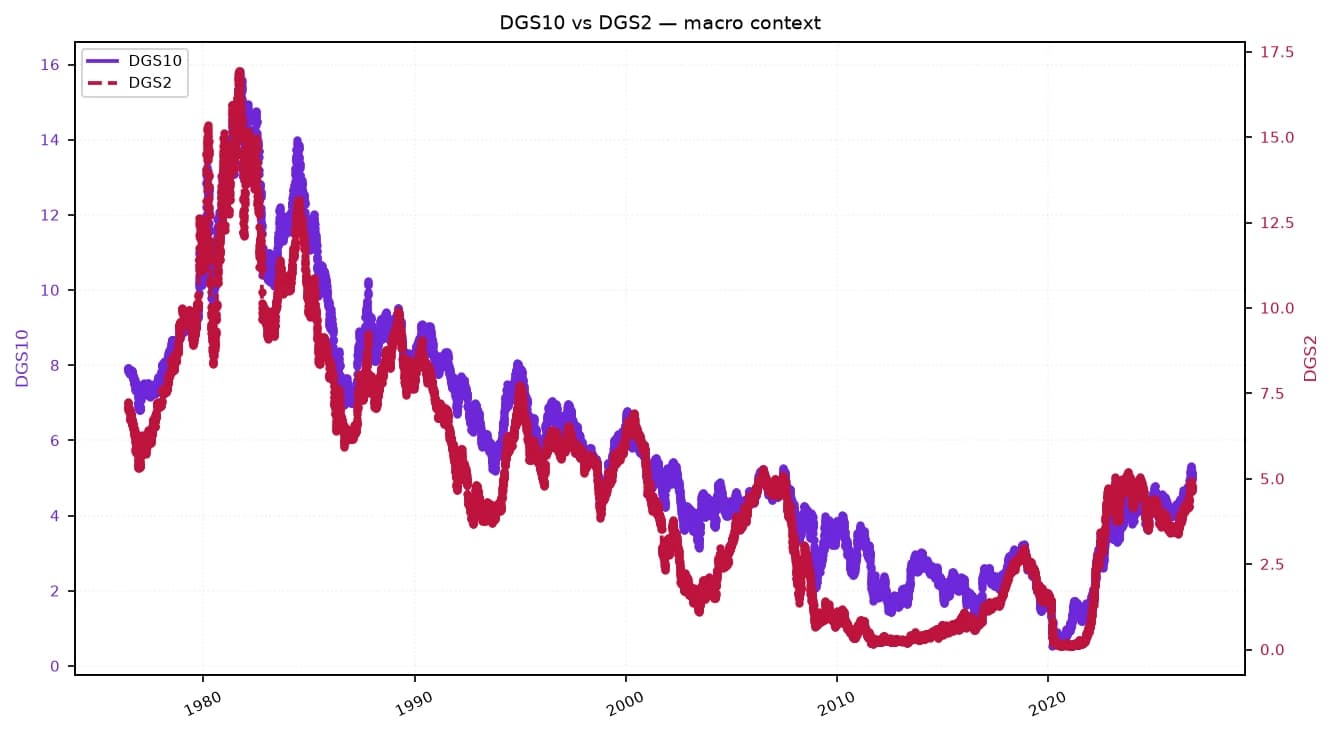
The 10-year Treasury yield has climbed back above 5% in the data, reaching 5.05% on Oct. 28 before easing to 5.0% and then forecast at 5.007% for Oct. 30. The 2-year yield is holding near 4.6%, while the federal funds rate sits around 3.75%, underscoring that markets are demanding a meaningful premium to lend to the government for a decade. That spread matters because it is the benchmark for everything from home loans to business investment decisions.
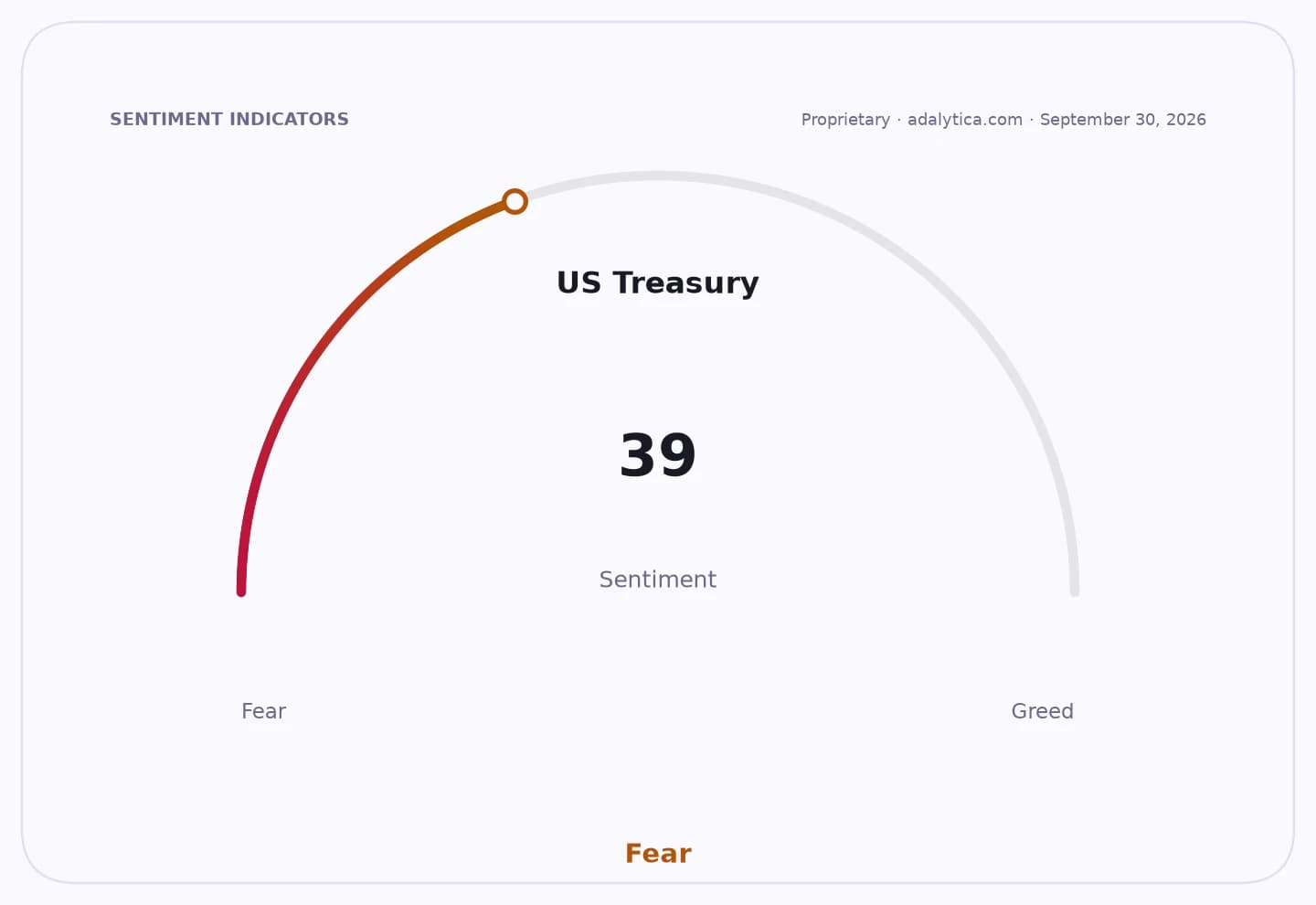
Sentiment Indicators

For households, the transmission is blunt. Mortgage rates generally track the 10-year yield, so a move above 5% can keep home financing expensive even if the Fed stays on hold. Student loans and credit card rates, which are more closely tied to shorter-term funding costs, also remain elevated because the policy rate has not come down meaningfully. The result is a squeeze on affordability that can slow refinancing, deter homebuying and leave consumers paying more interest for longer.
The bond move is also a macro signal. When Treasury yields rise while the Fed is holding rates steady, the market is effectively tightening financial conditions on its own. That can cool demand without any fresh central-bank action, which is one reason the Fed has been reluctant to signal an immediate pivot. The 2-year yield near 4.6% suggests investors still expect policy to remain restrictive for some time, even as they price in a modestly lower fed funds rate than the long bond.
DGS10 vs DGS2 — macro contextadalytica.com
Explore this data interactively — full history, time series and cross-market comparisons.
Investors are feeling the change in several ways. Bondholders have already taken price losses as yields climbed, while equity valuations are more vulnerable because higher discount rates make future earnings less valuable today. That helps explain why the S&P 500 ETF, SPY, dropped to 755.72 on Oct. 30 from 772.31 two days earlier, even though it still sits above its 200-day moving average. Financial stocks have held up better than the broader market, with XLF trading at 56.51, but the sector faces a mixed setup: higher rates can lift net interest income, yet a harder borrowing environment can eventually slow loan growth and pressure credit quality.
The story is not uniformly negative. Banks and other lenders can benefit from wider spreads if funding costs rise more slowly than asset yields, and savers can finally earn more on cash and short-duration instruments. But the bear case is that the longer rates stay this high, the more damage accumulates in housing, small-business credit and leveraged balance sheets. That is why the move in Treasuries matters well beyond Wall Street: it is a tax on borrowing that reaches almost every part of the economy.
For now, the key question is whether these higher yields reflect a durable repricing of inflation and growth, or a temporary bout of supply and policy uncertainty. If the 10-year yield stays near 5%, consumers and companies should expect a prolonged period of tighter credit and weaker rate-sensitive demand. If yields retreat, the pressure on mortgages and other lending rates should ease, but markets will need convincing that inflation and fiscal risks are truly receding.
| Entity | Gains | Losses |
|---|---|---|
| Treasury buyers / cash holders | ▲Higher yields on safe assets | ▼Capital losses if yields rise further |
| Borrowers / homebuyers | ▲Lower costs if yields fall | ▼More expensive mortgages and loans |
| Banks / lenders | ▲Wider lending spreads | ▼Slower loan demand, credit risk |
| Equity investors / rate-sensitive stocks | ▲Relief if yields retreat | ▼Lower valuations as discount rates rise |