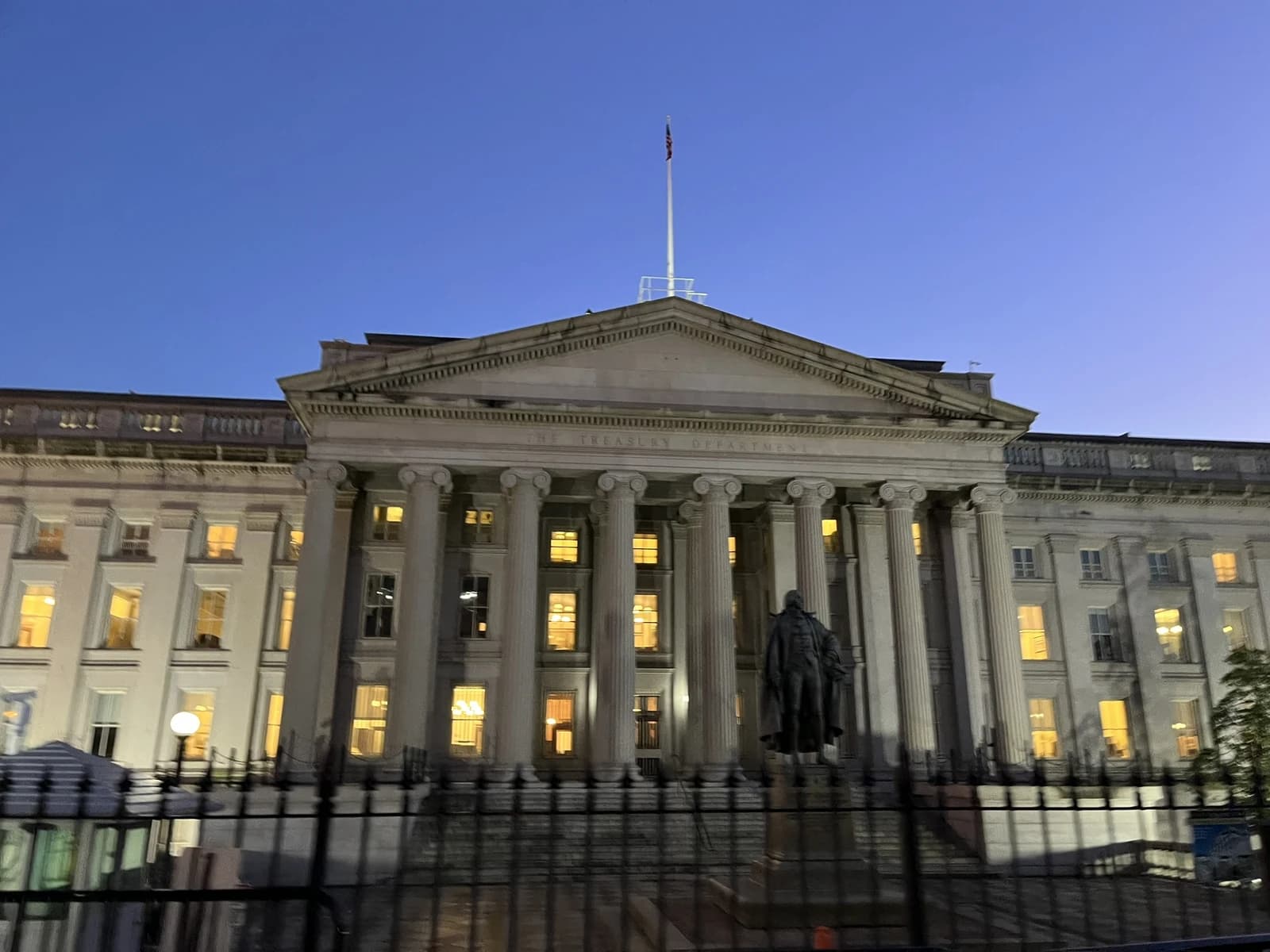
The 10-year and 30-year U.S. Treasury yields stayed above 5% on Wednesday, keeping borrowing costs elevated as investors wait for Thursday’s weekly jobless claims report and the Federal Reserve’s Oct. 27-28 meeting.
U.S. Treasury Yields Stay Above 5% Ahead of Fed
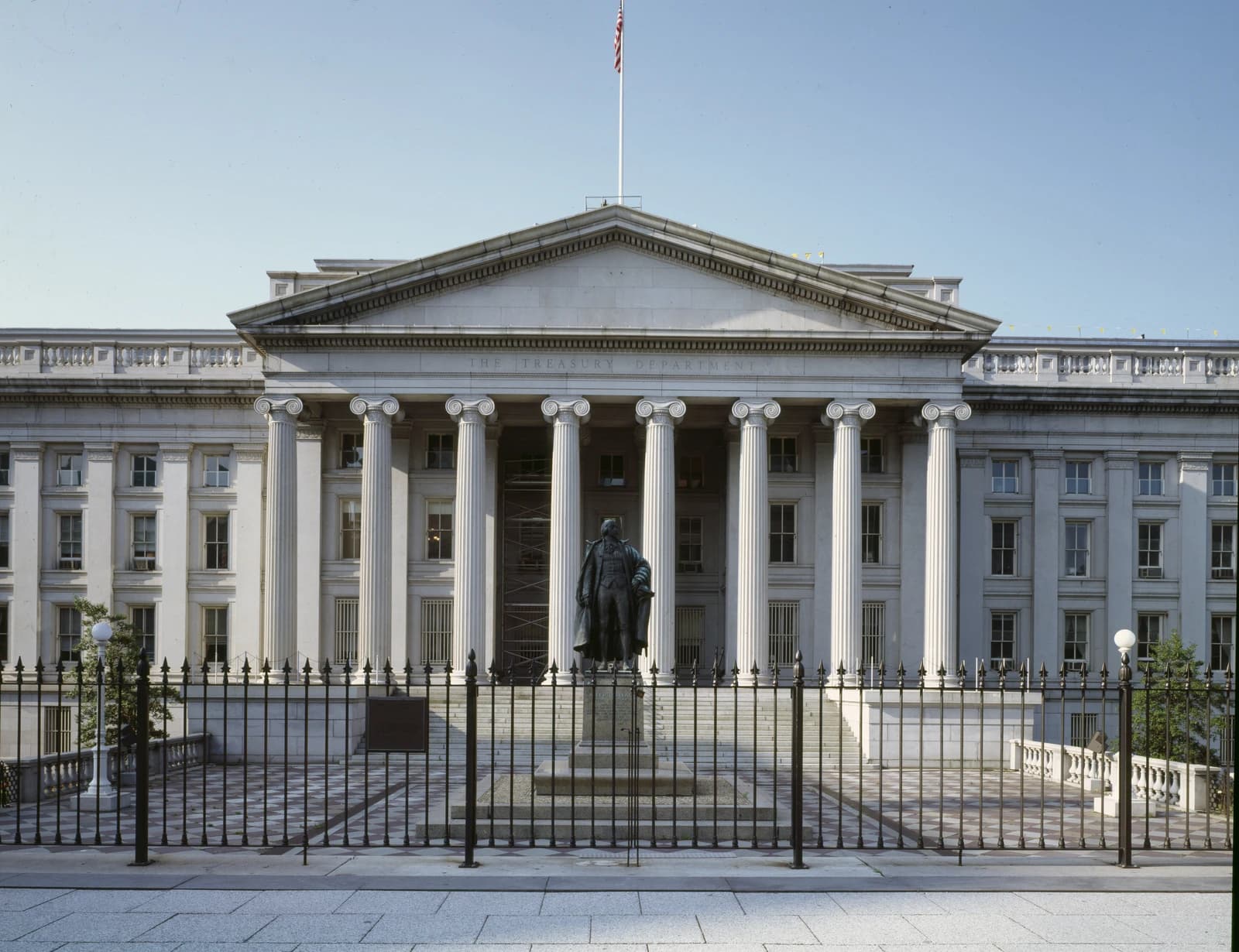
The 10-year Treasury yield was last at 5.106%, while the 30-year bond yield stood at 5.409%, CNBC reported. Both were down a little more than 1 basis point, but the move left benchmark rates at levels that continue to pressure mortgages, corporate debt and other financing costs. The 2-year yield rose to 4.789%, underscoring how short-dated debt remains more tightly linked to the Fed’s next policy move.
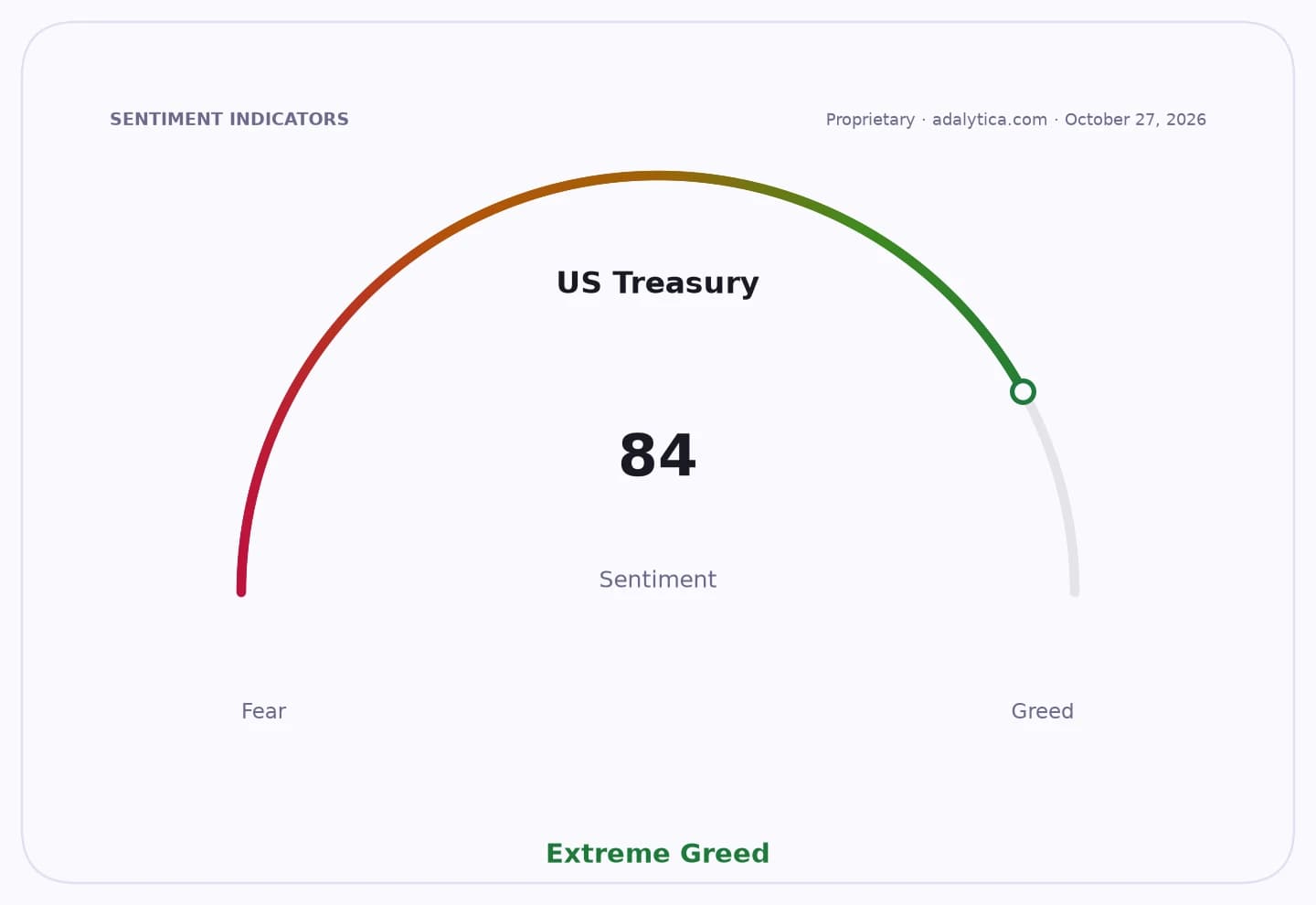
Sentiment IndicatorsⓘProprietary · adalytica.com · October 27, 2026
This is a snapshot — live sentiment, awareness and momentum for 130+ markets update continuously in the dashboard.Open AlphaPulse
For investors, the big issue is not the day’s small pullback but the persistence of 5%-plus long-term yields. That keeps the cost of capital high for homebuyers, companies refinancing debt and equity valuations that depend on lower discount rates. The Mortgage Bankers Association said the average contract rate on conforming 30-year fixed mortgages eased to 7.41% last week from 7.50%, yet purchase applications were still 18% below a year earlier, showing housing demand remains under strain even after a modest decline in rates.
Thursday’s claims report could help set the tone before the Fed meets next week. Initial claims rose by 1,000 to 199,000 in the prior week, a relatively firm labor-market reading that gives policymakers little immediate reason to rush into easing. A hotter-than-expected claims number would reinforce the case for higher-for-longer yields, while another subdued reading could keep Treasury prices under pressure if investors continue to assume the economy can tolerate tighter financial conditions.
DGS10 vs DGS2 — macro contextadalytica.com
Explore this data interactively — full history, time series and cross-market comparisons.Open AlphaPulse
The Treasury market has been volatile this month, with the 10-year and 30-year both already spending time above 5% earlier in the week. That level matters because it feeds directly into mortgage pricing and corporate funding decisions at a time when the Fed is still navigating sticky inflation and a resilient economy.
Markets now turn to the weekly claims data and next week’s policy decision for clues on whether long-end yields can hold above 5% or whether the recent climb starts to ease.
| Entity | Gains | Losses |
|---|---|---|
| Savers and cash investors | ▲Higher yields on safe assets | ▼Lower bond prices |
| Homebuyers and mortgage borrowers | ▲Little relief from rates | ▼Higher borrowing costs |
| U.S. banks and lenders | ▲Wider interest income potential | ▼Softer loan demand |
| Fed policymakers | ▲More room to keep policy tight | ▼Pressure to justify higher-for-longer rates |