Mortgage rates are no longer being set by the Fed — they are being set by the bond market, and that shift is what makes a 9% mortgage possible in a severe shock scenario.
U.S. Mortgage Rates Could Reach 9% on Higher Yields

That is the key warning from Cotality chief economist Selma Hepp, who said the 30-year fixed rate has already climbed to 7.5% and could approach 9% if Treasury yields were to spike into the 6%-7% range. She stressed that this is not her base case, but the message for homebuyers, builders and mortgage investors is unmistakable: the next leg in housing costs will come from the Treasury market, not the federal funds rate.
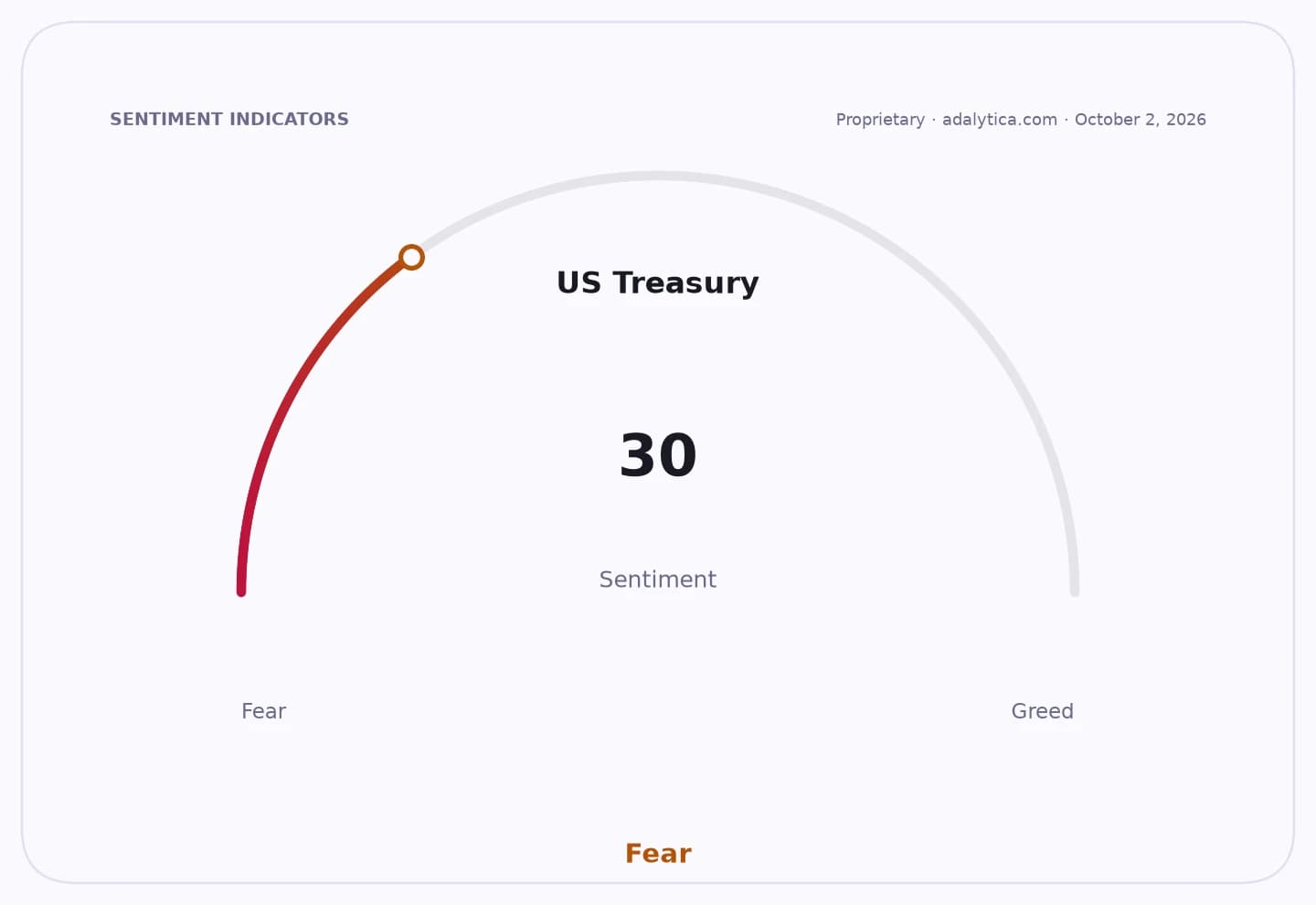
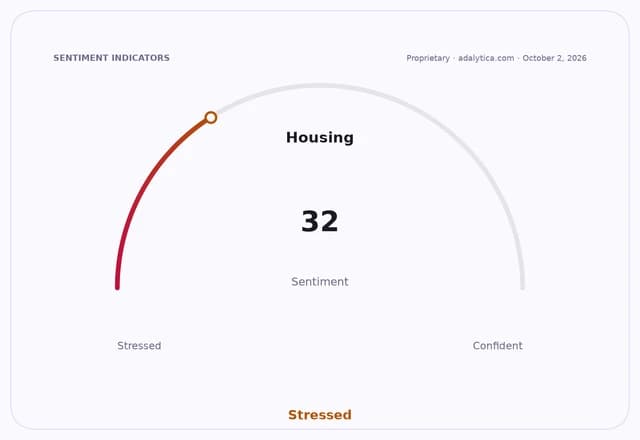
Sentiment IndicatorsⓘProprietary · adalytica.com · October 2, 2026
This is a snapshot — live sentiment, awareness and momentum for 130+ markets update continuously in the dashboard.Open AlphaPulse
The economic significance is bigger than one economist’s forecast. Mortgages are priced off longer-dated Treasury yields, and that means the housing market has become hostage to the bond market’s view of fiscal risk, inflation and confidence in U.S. assets. Hepp said a combination of a debt-limit standoff, a deeper shock to confidence in Treasuries and further erosion in the dollar’s safe-haven status could temporarily drive yields higher and push mortgage rates toward that 9% threshold. In other words, Washington’s credibility is now part of the housing affordability equation.
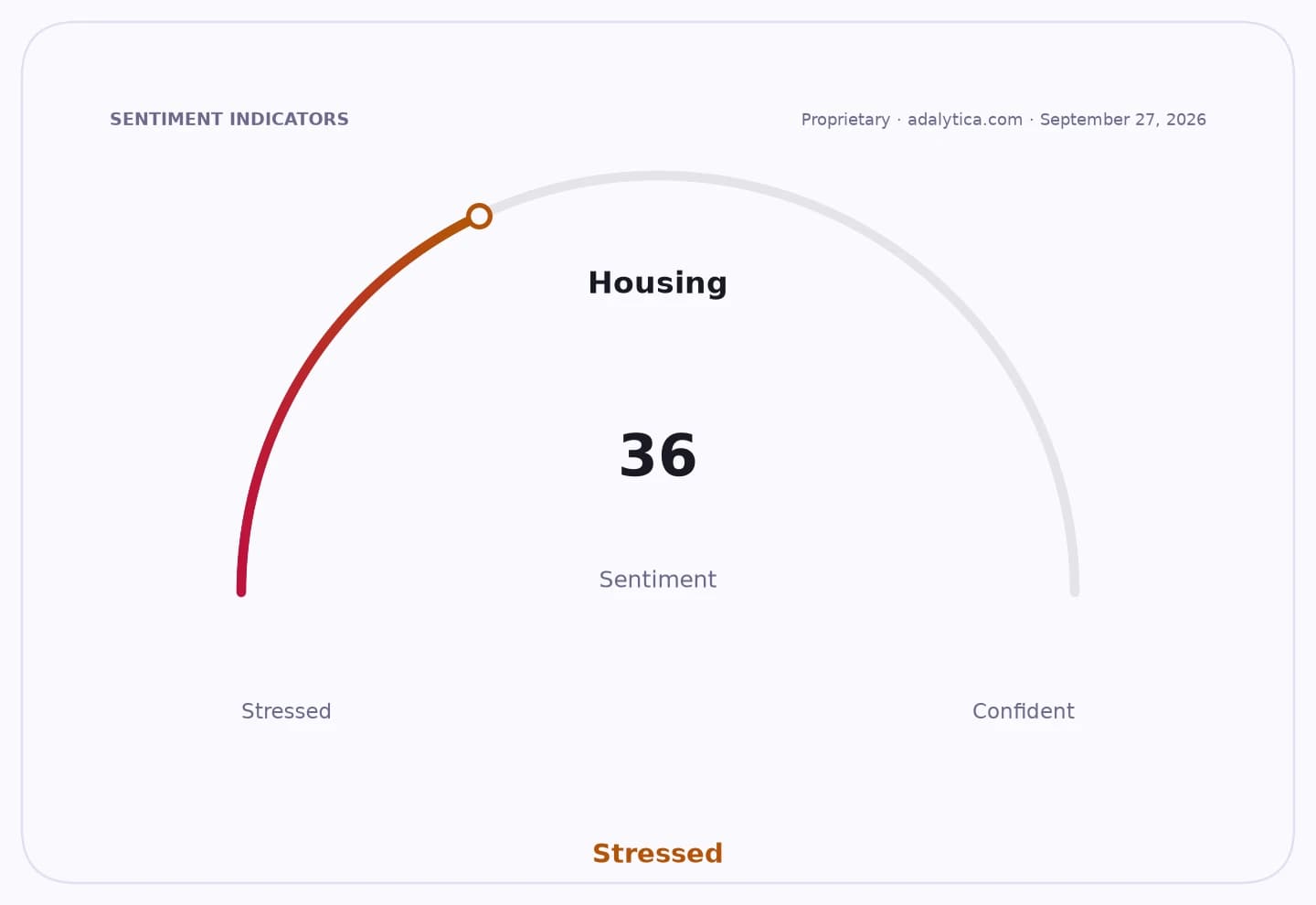
For investors, that changes the trade. The market is underestimating how much a sticky high-rate regime can prolong the freeze in housing turnover and keep pressure on affordability-sensitive sectors. Existing homeowners are locked into far lower mortgage rates and are reluctant to sell, which keeps inventory tight even as demand stays weak. Purchase applications have fallen to their lowest level since 1995, according to the context provided, while typical monthly mortgage payments including taxes and insurance are around $2,800. That is not a temporary slowdown; it is a structural clamp on mobility and transaction volume.
DGS10 vs DGS2 — macro contextadalytica.com
Explore this data interactively — full history, time series and cross-market comparisons.Open AlphaPulse
The hard data on rates supports the warning. The 10-year Treasury yield, the benchmark most closely tied to mortgage pricing, has been moving in the upper 4% range, with recent readings around 5.3%, while the 2-year is near 4.8%. Hepp said that with Treasury yields in the upper-mid to upper-4% range and mortgage spreads around 200 basis points, she expects mortgage rates to remain around 7% for a while. That is still punitive enough to keep the housing market constrained. A move higher in the long bond would simply push an already fragile market deeper into stagnation.
That is why the investor lens matters here. Homebuilders have been forced to lean on rate buy-downs, seller concessions and lower-income product offerings just to keep deals moving. Those tactics can cushion earnings for now, but they are also evidence that pricing power is limited. The data on housing starts suggests the market is not breaking out of its slump either, with new construction still well below earlier cycle peaks. If long-end yields remain elevated or rise further, the best-positioned names will be the ones that benefit from persistent affordability stress rather than a quick rebound in volumes.
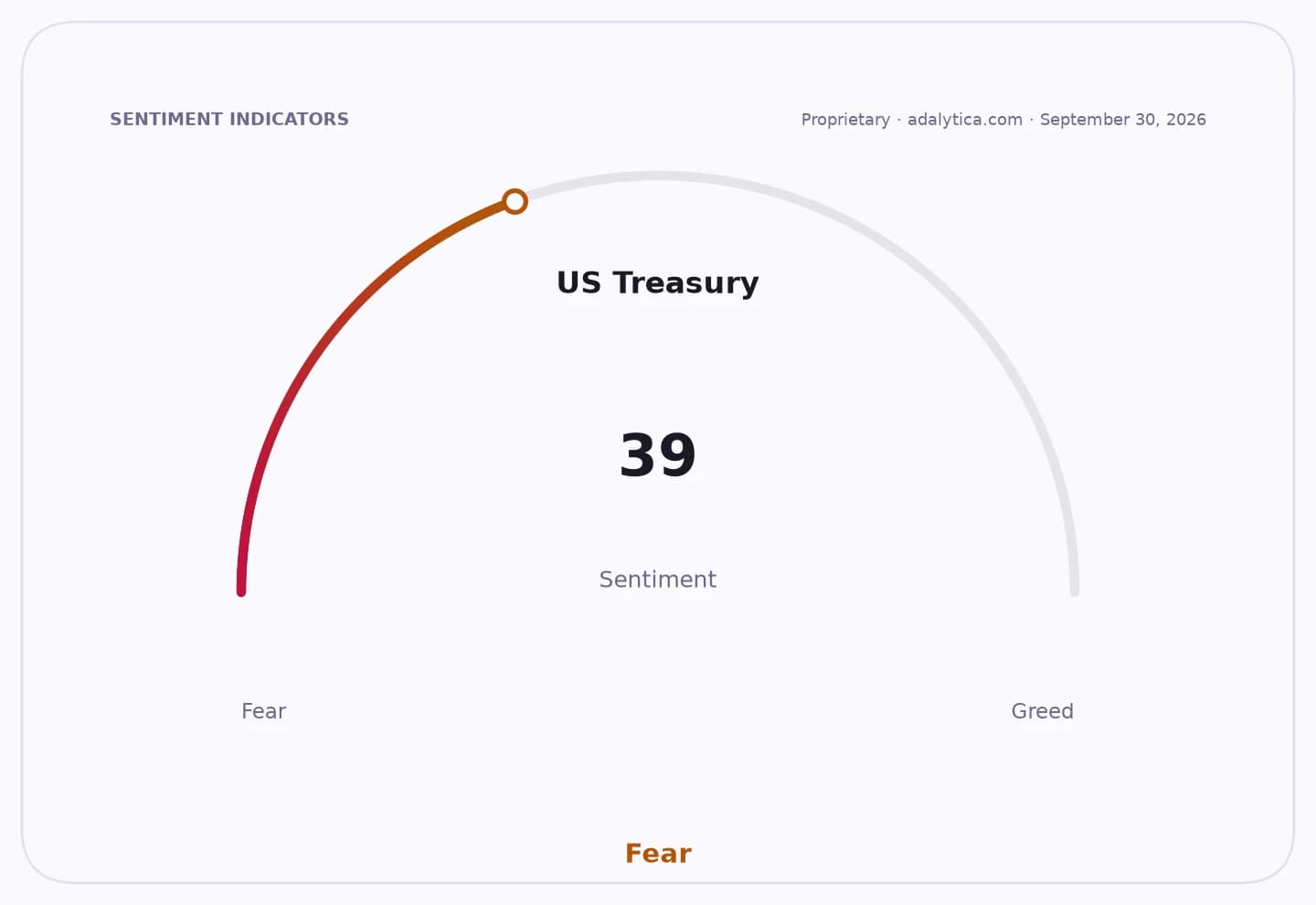
There is also a second-order opportunity across rate-sensitive markets. Treasury bond volatility remains the real macro variable to watch, and that keeps the case constructive for investors who want to own duration selectively if yields overshoot on fiscal or confidence shocks. Adalytica’s US Treasury Bonds Trade Signals show sentiment at 29, labeled Fear, even as awareness is at 94, signaling that the market is highly focused on the move lower in bond prices. That kind of positioning can become fuel for sharp reversals if the feared bond selloff fails to materialize.
The housing trade, then, is not about betting on the Fed to save affordability. It is about whether the bond market tightens the screws further. If Treasury yields stay where they are, mortgage rates likely remain stuck near 7%, keeping housing volume depressed and transaction-driven businesses under pressure. If yields surge again, 9% mortgages stop being a headline scare and become a real stress test for the entire housing complex.
The actionable takeaway is simple: watch the long bond, not the Fed, and position for a prolonged housing affordability squeeze. That favors select builders with pricing discipline and concessions power, mortgage lenders with scale, and bond-market beneficiaries if yields overshoot. The market still treats 7% mortgages as painful; the next real inflection point is whether the bond market makes 9% plausible.
| Entity | Gains | Losses |
|---|---|---|
| U.S. Treasury bears | ▲Higher yields, volatility trade | ▼Bond prices, duration holders |
| Homebuilders | ▲Rate buy-down demand, selective volume | ▼Margins, affordability-sensitive demand |
| Mortgage lenders | ▲Refi and purchase financing spread opportunity | ▼Origination volumes if rates stay high |
| Existing homeowners | ▲Locked-in low-rate mortgages | ▼Mobility, trade-up activity |