US President Donald Trump says a long-awaited India trade deal is “pretty close,” raising the odds of a near-term agreement that could reshape tariff exposure for Indian exporters and firms tied to the world’s fifth-largest economy.
India trade deal with US nears announcement
US Dollar
The biggest market issue is not just whether New Delhi and Washington sign a pact, but what kind of pact it is. Trump described the prospective agreement as “much different,” while Indian officials are pushing for terms that leave their exporters with a durable advantage over rivals such as Vietnam, Bangladesh and Indonesia.
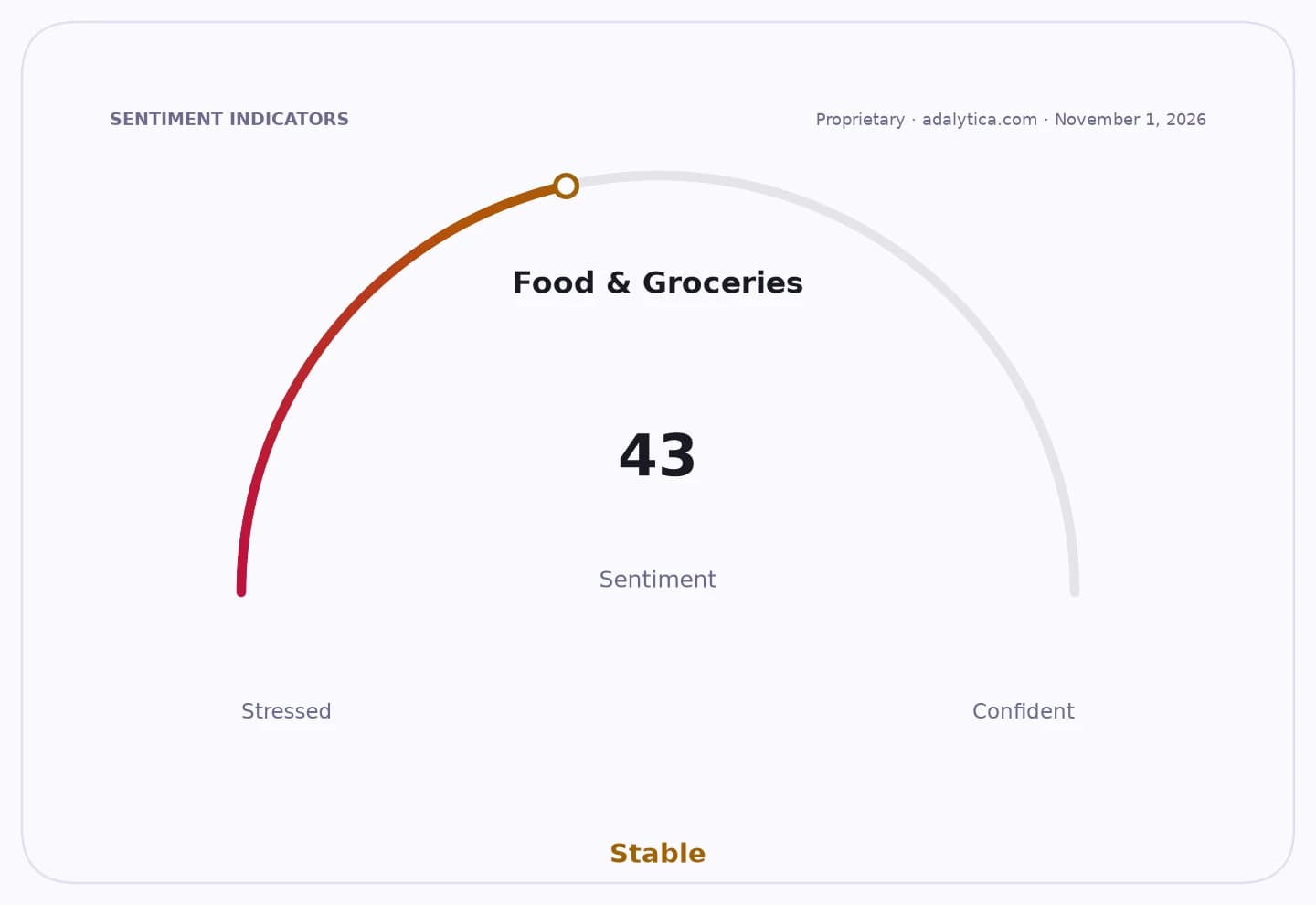
Sentiment Indicators
That matters because the tariff backdrop has already shifted. The interim framework announced in February envisaged an 18% reciprocal tariff rate, but a later US Supreme Court ruling helped bring the extra duty on Indian goods down to 10%, according to sources tracking the talks. That weakens the original bargaining baseline and gives India room to argue it should not lock in a higher rate than competitors are paying.
US Secretary of State Marco Rubio said only a small number of issues remained and that an announcement was expected soon. But the talks still carry risk: potential Section 301 duties and punitive measures tied to India’s purchases of Russian oil remain on the table, which could still complicate any breakthrough.
For investors, the deal is relevant well beyond bilateral trade headlines. A more favorable tariff structure could support Indian exporters, reduce uncertainty for multinational supply chains and improve sentiment around India-linked assets, while a weaker-than-expected agreement would leave companies exposed to tariff competition and policy whiplash. India-focused ETF INDA closed at $46.59 on Monday, below its 50-day moving average of $48.06 and 200-day moving average of $49.29, underscoring how sensitive the market remains to trade and policy headlines.
The broader narrative is that Washington is using trade talks to redraw competitive lines across Asia, while New Delhi is trying to make sure any deal is not just signed, but stays advantageous if US tariff policy shifts again. The next catalyst is the formal announcement, which will determine whether the agreement is a modest truce or a more durable trade reset.
| Entity | Gains | Losses |
|---|---|---|
| India exporters | ▲Lower tariff risk | ▼Competitive edge eroded |
| US consumers/importers | ▲More supply options | ▼Higher input costs if talks stall |
| Competing Asian exporters | ▲None if India gets better terms | ▼Lose price advantage |
| India-focused investors | ▲Policy clarity | ▼Tariff uncertainty if deal disappoints |