India and Germany are doubling down on trade and investment ties at a moment when both economies need new growth engines, with officials highlighting industrial cooperation and the potential of an India-EU free trade agreement to unlock bigger flows of goods, capital and technology.
India Germany Trade Talks and EU FTA Focus
That matters because Germany is not just another bilateral partner for India. It is Europe’s industrial heavyweight, a key source of machinery, autos, engineering know-how and long-term capital. For India, a deeper relationship can help accelerate manufacturing, raise export quality and bring in the kind of investment that supports jobs and productivity. For Germany, India offers scale, a fast-growing consumer base and a hedge against slower demand in Europe and China.
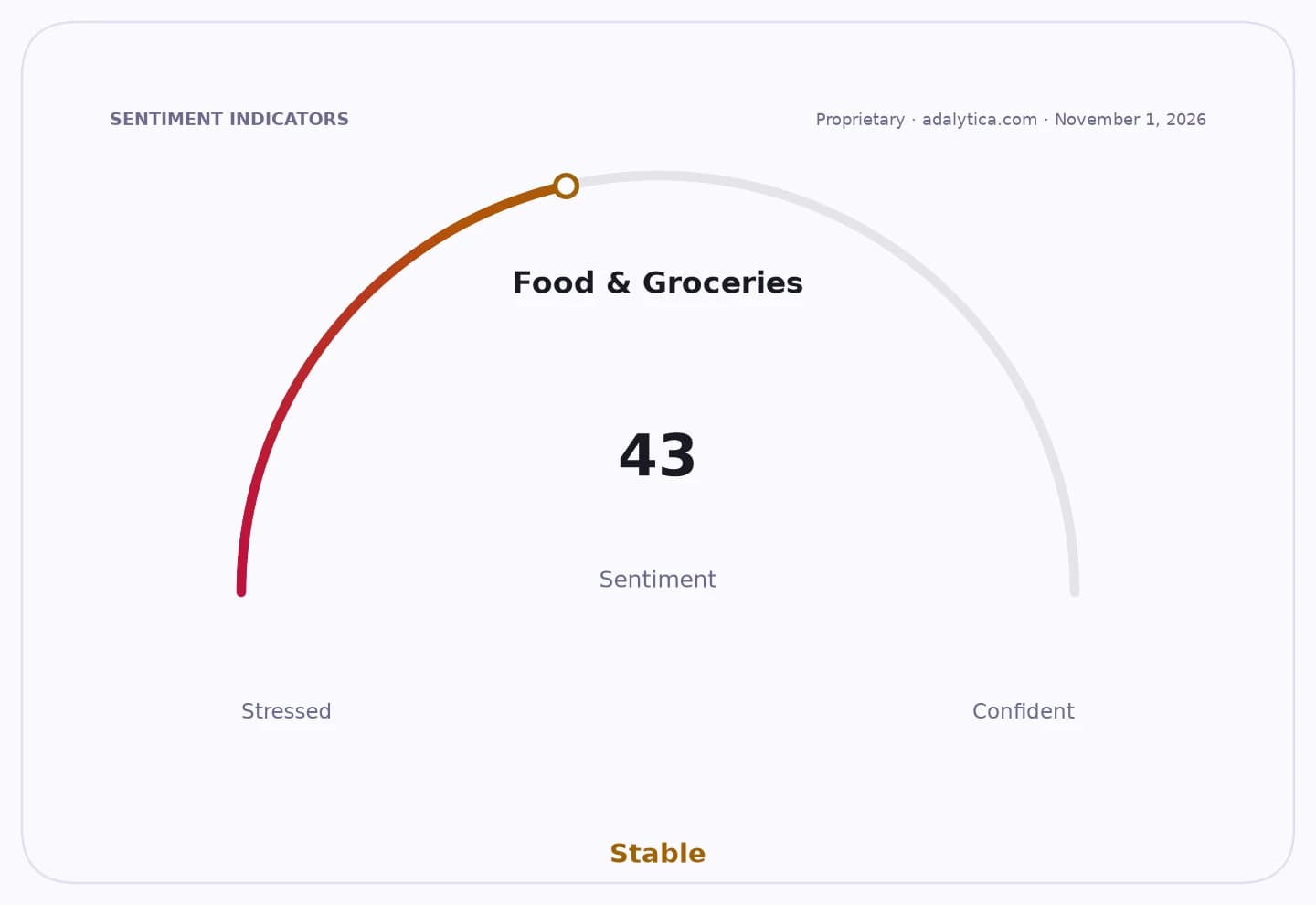
Sentiment Indicators
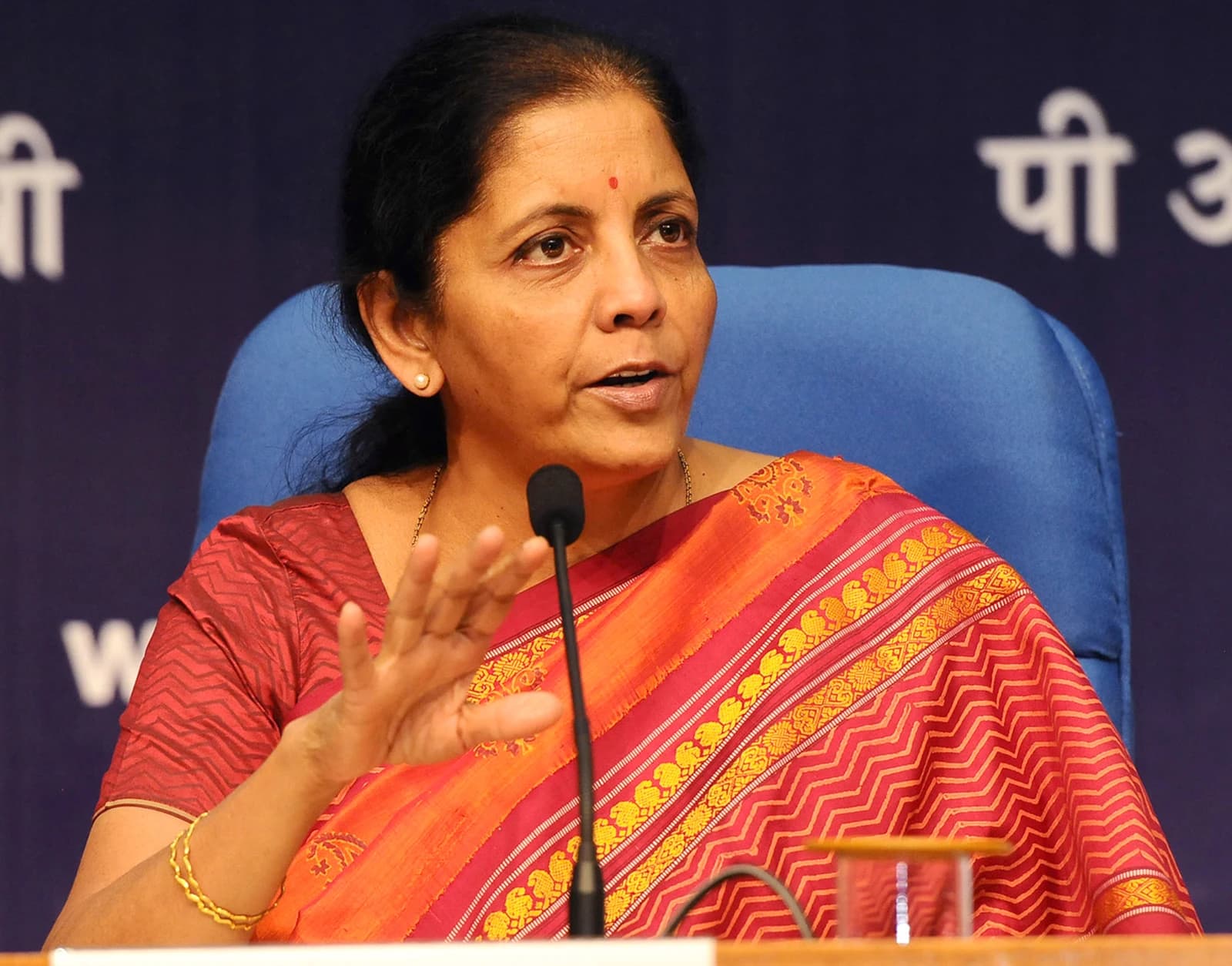
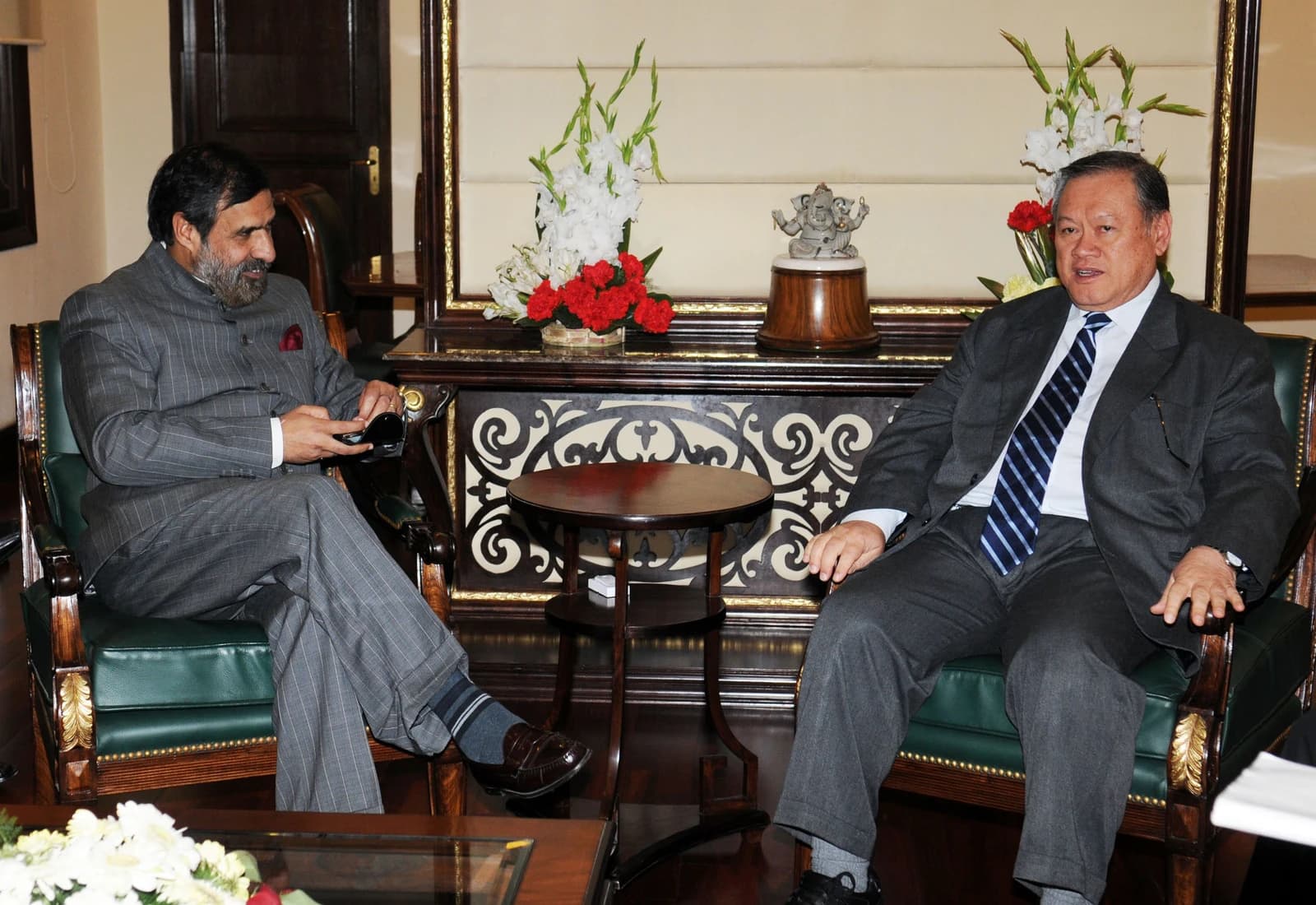
Commerce and Industry Minister Piyush Goyal said he held a productive meeting with Germany’s Federal Economic Affairs and Energy Minister Katharina Reiche to strengthen economic cooperation, while the two sides discussed closer industrial collaboration and the India-EU FTA’s potential to expand bilateral trade and investment. That is important not because a single meeting changes the trade map overnight, but because it keeps momentum alive on one of India’s most consequential external economic goals: broader access to rich-world markets and deeper integration into global supply chains.
For investors, the story is less about a near-term pop and more about compounding over time. A credible India-EU trade framework could support exporters in autos, engineering goods, chemicals, pharmaceuticals and electronics, while also making India a more attractive destination for German manufacturers looking to diversify production. That can benefit listed companies tied to industrial capex, logistics, ports, specialty manufacturing and export-oriented financial services.
The backdrop also argues for patience. India has been working to widen its trade relationships across the US, Europe and other partners, and that diversification is a long-term advantage in a world where supply chains are being redrawn. If negotiations eventually translate into lower tariffs, simpler market access and more predictable rules, the gains could be structural rather than cyclical.
There are still obvious risks. Trade talks can stall, and Europe’s regulatory demands will not disappear. But for long-term investors, the direction of travel is constructive: India is trying to turn its scale into export strength, and Germany wants dependable partners beyond a fragmented global backdrop. That makes this relationship worth watching as a theme, not a headline.
| Entity | Gains | Losses |
|---|---|---|
| India exporters | ▲Better access to European markets | ▼Tariff and compliance hurdles |
| German manufacturers | ▲New growth in India | ▼Dependence on slower EU demand |
| Indian consumers/workers | ▲More investment and jobs | ▼Short-term competition for local firms |
| Existing import rivals | ▲Faster trade diversification | ▼Market share to India-Germany flows |