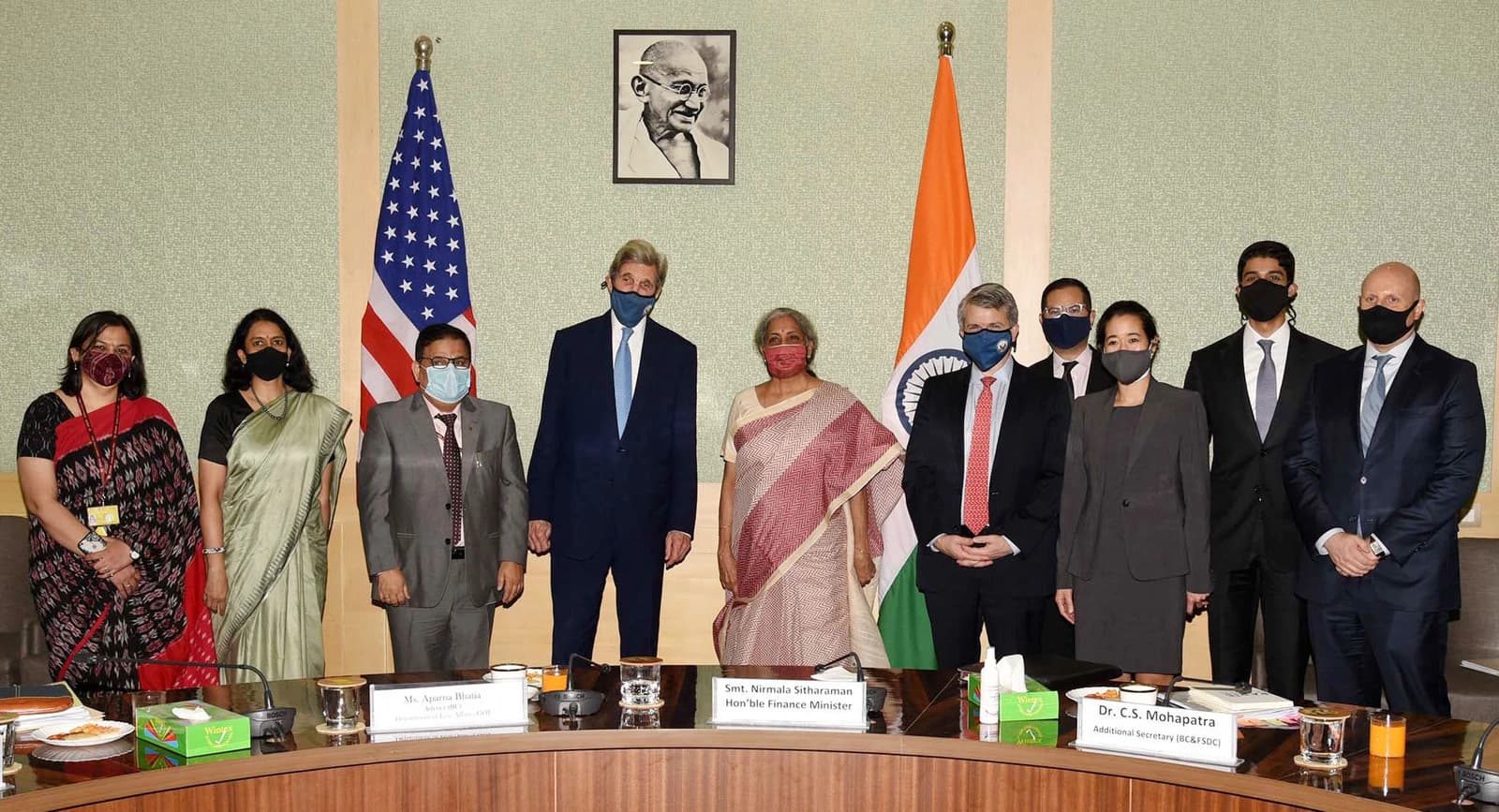
India and Brunei Darussalam have agreed to widen bilateral trade, a modest-sounding move that could still matter for exporters looking for steady demand in a region where growth has been more durable than headlines suggest.
India, Brunei Discuss Wider Trade in Agriculture, Pharma

The agreement is economically relevant because it gives India’s agricultural and pharmaceutical companies a clearer route into a small but wealthy Southeast Asian market, while also reinforcing New Delhi’s broader push to diversify trade ties beyond its largest partners. For investors, that is the kind of incremental development that can compound over time: one more export destination, one more set of customers, and one more market where Indian manufacturers can build scale.
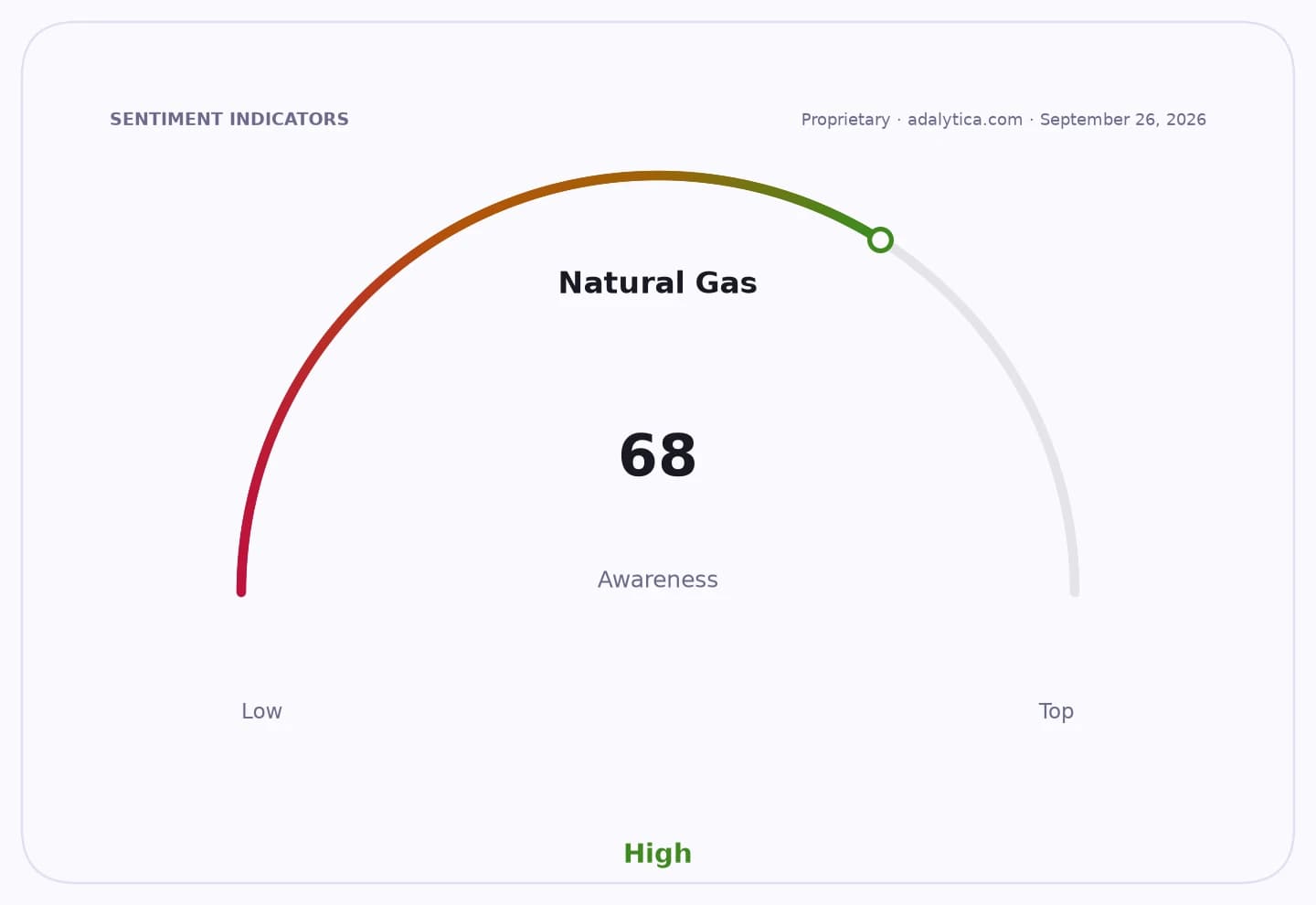
Sentiment IndicatorsⓘProprietary · adalytica.com · October 16, 2026
This is a snapshot — live sentiment, awareness and momentum for 130+ markets update continuously in the dashboard.Open AlphaPulse
According to the report, the two sides discussed expanding trade in agricultural goods and pharmaceutical products during the third meeting of a bilateral committee. That matters because those are two of India’s most competitive export categories. Food and drug shipments tend to be less cyclical than many other goods, and both sectors benefit when governments lower friction around market access, standards and logistics.
Brunei is not a huge market, but size is not the only point. Investors often underestimate the value of small, high-income economies that buy quality products and offer stable payment profiles. For Indian pharma companies, any additional opening in Southeast Asia supports a long-term case built on low-cost manufacturing, regulatory reach and a deep pipeline of generic drugs. For agricultural exporters, every new buyer helps reduce reliance on a handful of larger markets that can swing with politics, tariffs or weather.
The broader narrative is that India continues to pursue a more diversified export strategy at a time when global trade is being reshaped by supply-chain shifts, geopolitical friction and slower world growth. Deals like this are not market-moving on their own, but they are part of the infrastructure of future earnings growth. If India keeps widening access for its manufacturers and farm producers, the result should be more resilient export revenues and a stronger base for long-term corporate profits.
That is why investors should view the Brunei agreement less as diplomatic routine and more as a reminder of where the opportunity lies: in patient expansion of market access, especially for companies tied to India’s manufacturing and consumption upgrade. It is worth watching, particularly for long-term holders of Indian exporters and diversified emerging-market funds.
| Entity | Gains | Losses |
|---|---|---|
| Indian agricultural exporters | ▲Wider market access | ▼Fewer growth avenues at home |
| Indian pharmaceutical makers | ▲New overseas demand | ▼Dependence on larger markets |
| Brunei buyers | ▲More supply options | ▼Less reliance on a narrow import base |
| Competing regional exporters | ▲Less price advantage | ▼Tougher competition from India |