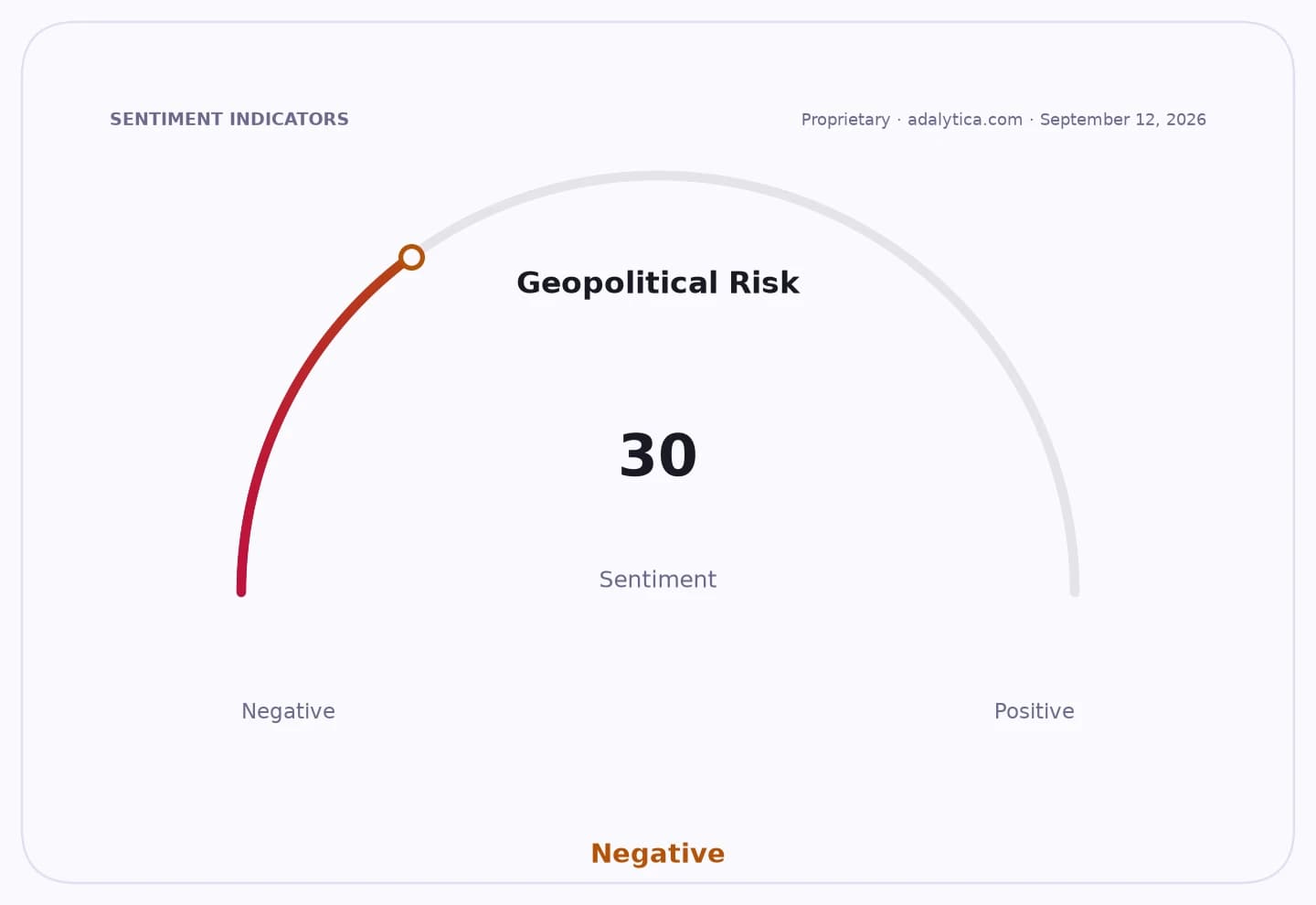
Petronas is positioning itself for a structural shift in South-east Asia’s gas market: more countries in the region are likely to become net liquefied natural gas importers, and that should keep demand growing even as global supplies remain under pressure.
Petronas targets Asia LNG demand growth
That matters because LNG is no longer just a fuel-market story. It is becoming a long-term infrastructure and trade story for Asia, with implications for power systems, shipping routes, upstream investment and the companies that can move gas reliably into a region that is still expanding electricity demand.
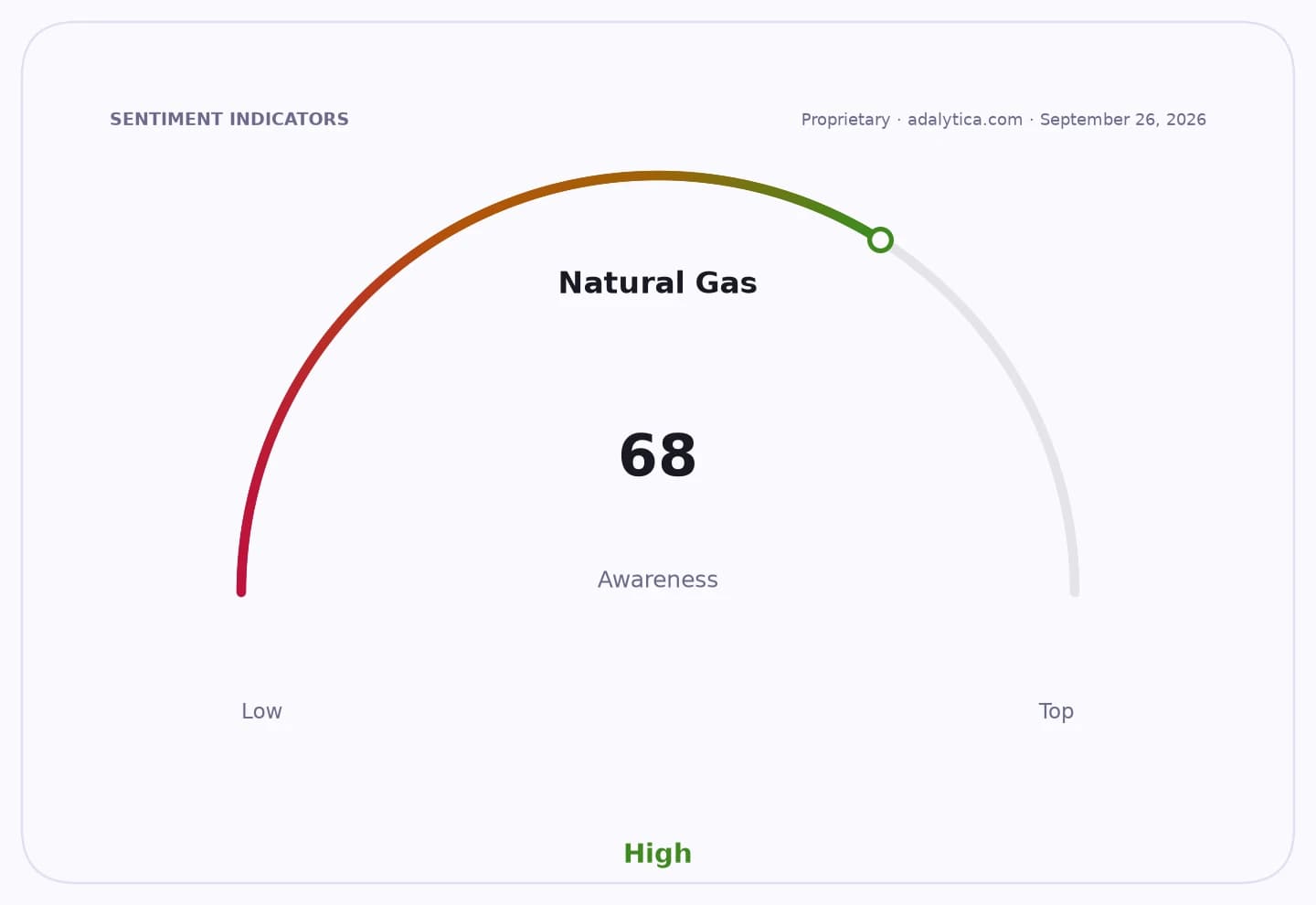
Sentiment IndicatorsⓘProprietary · adalytica.com · September 26, 2026
This is a snapshot — live sentiment, awareness and momentum for 130+ markets update continuously in the dashboard.Open AlphaPulse
The Malaysia state energy company says its biggest advantage is geography. Its production base in East Malaysia sits close to the region’s demand centers, while its Canadian assets give it a second supply hub aimed at Asia-Pacific markets, according to Petronas LNG chief executive Rosdi Ab Rahman.
“The beauty of these two supply points is that they are pointing towards the Asia-Pacific, towards the big LNG demand; and of course South-east Asia is part of (it),” he said in Bangkok.
The timing is important. South-east Asia has long relied on a mix of domestic gas output and pipeline imports, but rapid power demand, industrial growth and declining mature fields are pushing more economies toward LNG cargoes. At the same time, the global market has become more fragile as conflict in the Middle East has disrupted a meaningful share of LNG flows and kept buyers nervous about supply security.
For Petronas, that combination creates an opening. A supplier with flexible cargoes, diversified production and access to Asian terminals can win business when buyers want reliability more than the cheapest molecule. That is especially true in a region where utilities and traders are increasingly seeking to spread supply risk across multiple sources rather than depend on a single exporter.
Investors should pay attention because Petronas’ strategy points to where LNG economics are likely to stay strongest over the next decade: nearer to end markets, with integrated supply chains and the ability to redirect cargoes when geopolitics or weather interrupt flows. That is a favorable setup for exporters with global reach, but it also keeps prices volatile for buyers and raises the value of long-term contracts.
The move also fits a broader market narrative. As South-east Asia edges toward net import status, the winners are likely to be companies that can lock in upstream gas, ship it efficiently and place it into growing demand centers. The losers are buyers caught in spot-market exposure and producers without diversified supply routes.
For long-term investors, the key takeaway is that LNG is becoming a durable Asia growth theme, not a short-term trade around headlines. Petronas is betting that its assets can sit at the center of that transition, and if South-east Asia’s import appetite keeps rising, that is a strategy worth watching.
| Entity | Gains | Losses |
|---|---|---|
| Petronas | ▲Asia demand growth | ▼Spot-market volatility |
| South-east Asian importers | ▲Supply diversification | ▼Higher LNG import bills |
| LNG exporters with flexible supply | ▲Stronger long-term contracts | ▼Smaller regional producers |
| Utilities and end users | ▲More reliable fuel access | ▼Buyers reliant on one source |