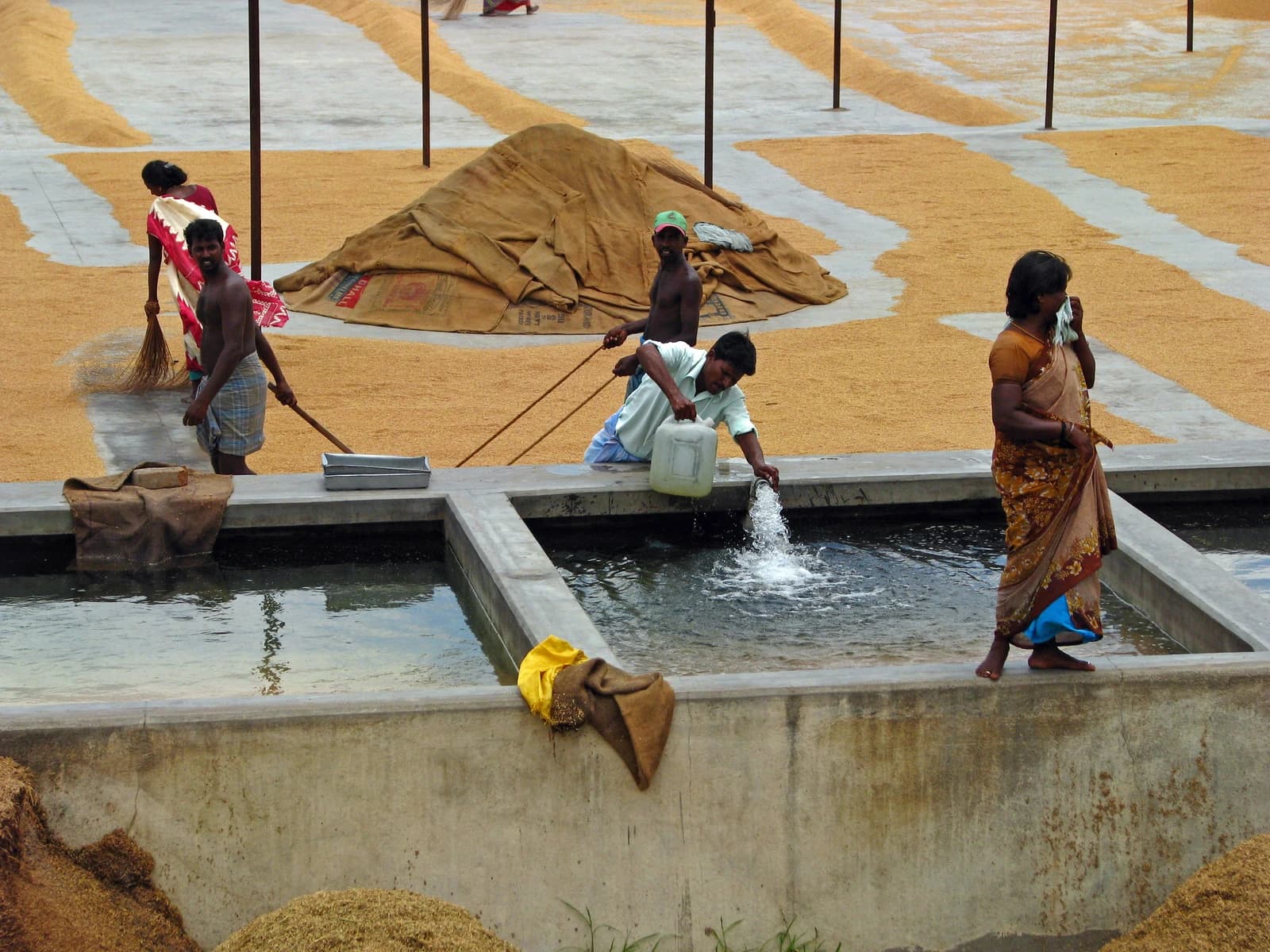
India’s dominance in the global rice trade is becoming more than a farm-story statistic — it is a market-moving reality for food inflation, shipping costs and import-dependent countries that rely on steady supplies. With Indian industry officials saying the country now accounts for about 40% of global rice exports, the message from the Bharat International Rice Conference is clear: when India’s rice flows, a big part of the world’s food security moves with it.
India Rice Exports Lift Food Security Concerns
That matters because rice is not just another commodity. It is a staple for billions of people, and any disruption in supply can ripple through household budgets, government food programs and inflation readings across Asia, Africa and the Middle East. India’s role is especially important now that tensions in the Strait of Hormuz and the Red Sea are lengthening voyage times, raising insurance costs and pushing freight charges higher. For importers, the issue is no longer only whether rice is available, but whether it can be landed at a price their consumers can bear.
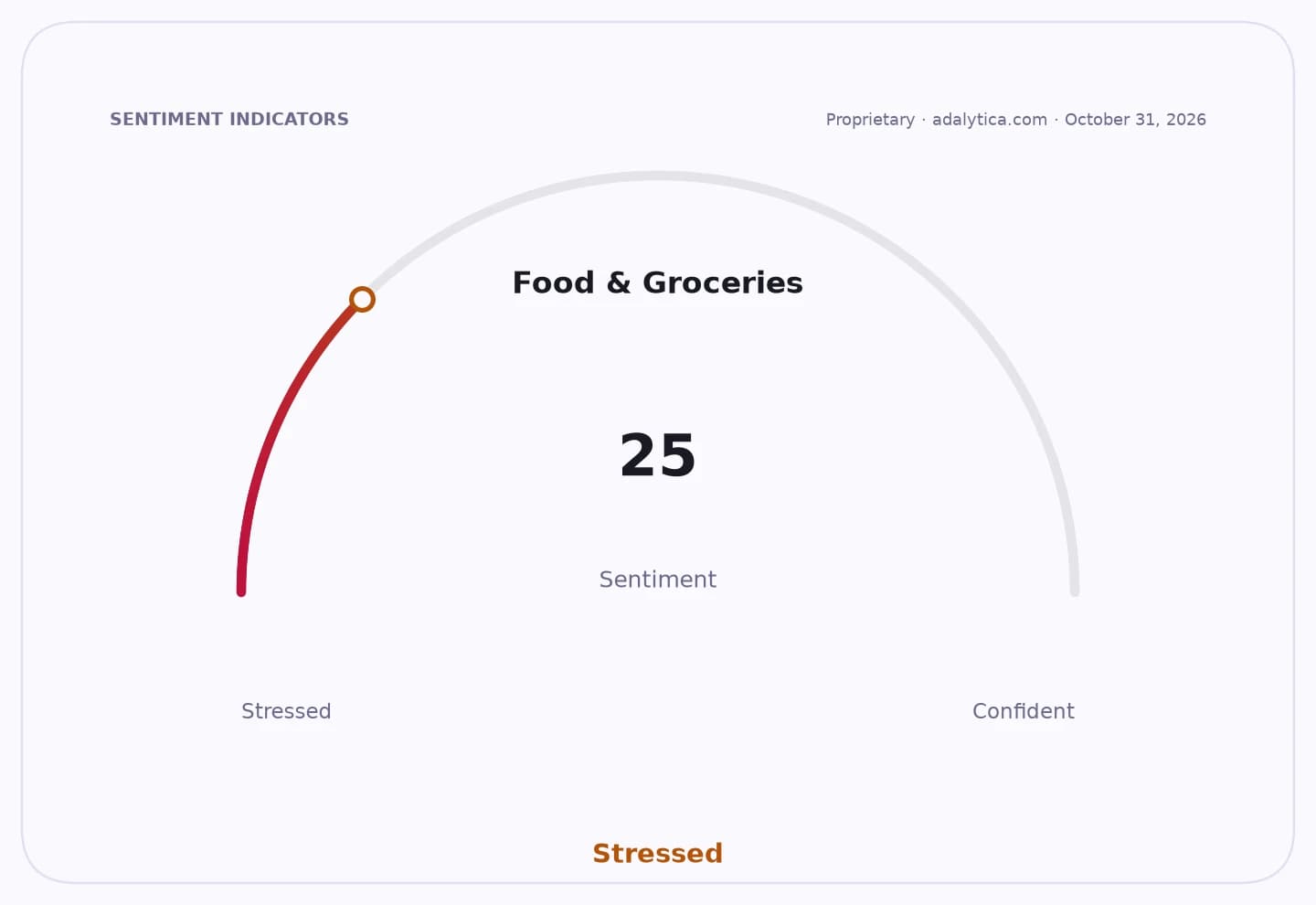
Sentiment Indicators
For investors, the key takeaway is that India has become the price-setter and stabilizer in a market where rivals are under strain. Thai exporters are missing targets, Vietnam has seen export prices rise, and Cambodia is pressing into premium jasmine rice. That strengthens India’s negotiating power and supports its exporters, but it also means freight efficiency, logistics infrastructure and product mix matter more than ever. As one industry executive noted, India’s challenge is not demand — it is the cost of moving grain from farm to port.
The economic stakes extend well beyond export volumes. India is balancing its own food needs with the expectations of overseas buyers, and officials say the country has enough buffer stock to absorb weather-related crop worries. That cushion reduces the risk of a domestic supply shock even if output softens, which is exactly why India can remain a reliable supplier while others struggle. In a world where food inflation can quickly spill into broader consumer inflation, that reliability has real value.
Food & Groceries — 30-day sentimentadalytica.com
Explore this data interactively — full history, time series and cross-market comparisons.
There is also a long-term opportunity here for investors watching agricultural supply chains, logistics and agribusiness. India’s rice leadership is strongest when it exports higher-demand varieties at better margins and keeps transport costs under control. If the country continues improving port access, rail links and export logistics, it could lock in share while competitors lose ground. For global food buyers, that is a welcome stabilizer; for investors, it is a sign that India’s agricultural export machine remains worth watching over the next several years.
| Entity | Gains | Losses |
|---|---|---|
| India rice exporters | ▲Larger market share | ▼Higher logistics costs |
| Importing countries | ▲More reliable supply | ▼Exposure to freight inflation |
| Thailand and Vietnam | ▲Limited pricing leverage | ▼Export share pressure |
| Global consumers | ▲Better food security | ▼Higher staple prices if shipping worsens |