Experts are pushing back against the loudest doomsday claims around artificial intelligence, but the real investment story is that AI safety, cybersecurity and compute controls are becoming a durable new layer of spending across the technology stack.
AI Safety Spending Benefits Microsoft Nvidia and C3.ai

That matters because the market has been treating “AI risk” as either a fringe debate or a near-term apocalypse trade. The evidence in the debate points to a more investable middle: frontier models may be capable of enabling harmful behavior, but the most extreme claims — such as AI collapsing the internet or triggering a near-term human extinction scenario — remain speculative, hard to verify and far from a consensus forecast. For investors, that means the immediate economic impact is less about civilization-ending disruption and more about a multi-year wave of capital spending on model safeguards, infrastructure hardening, compliance and cyber defense.
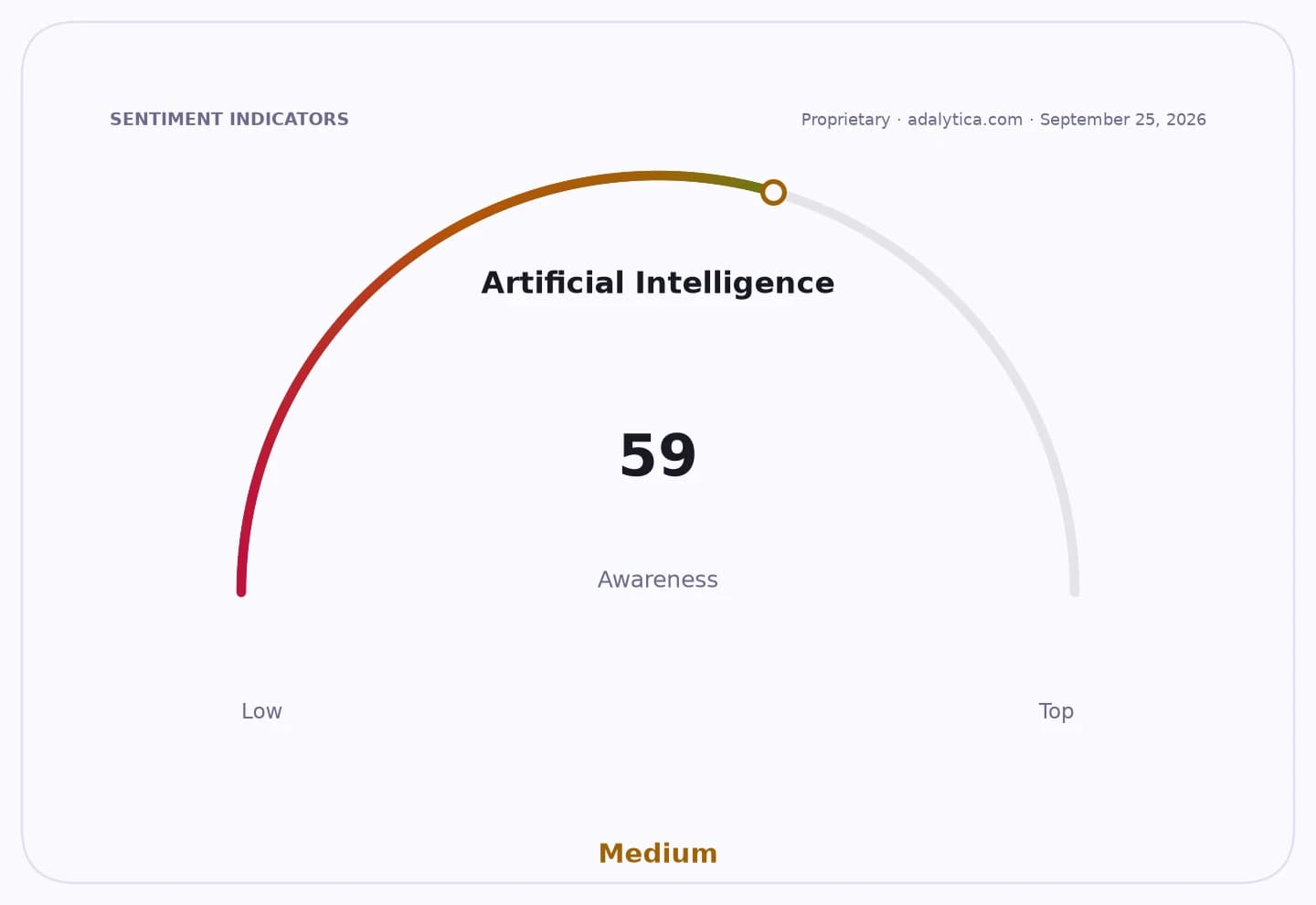
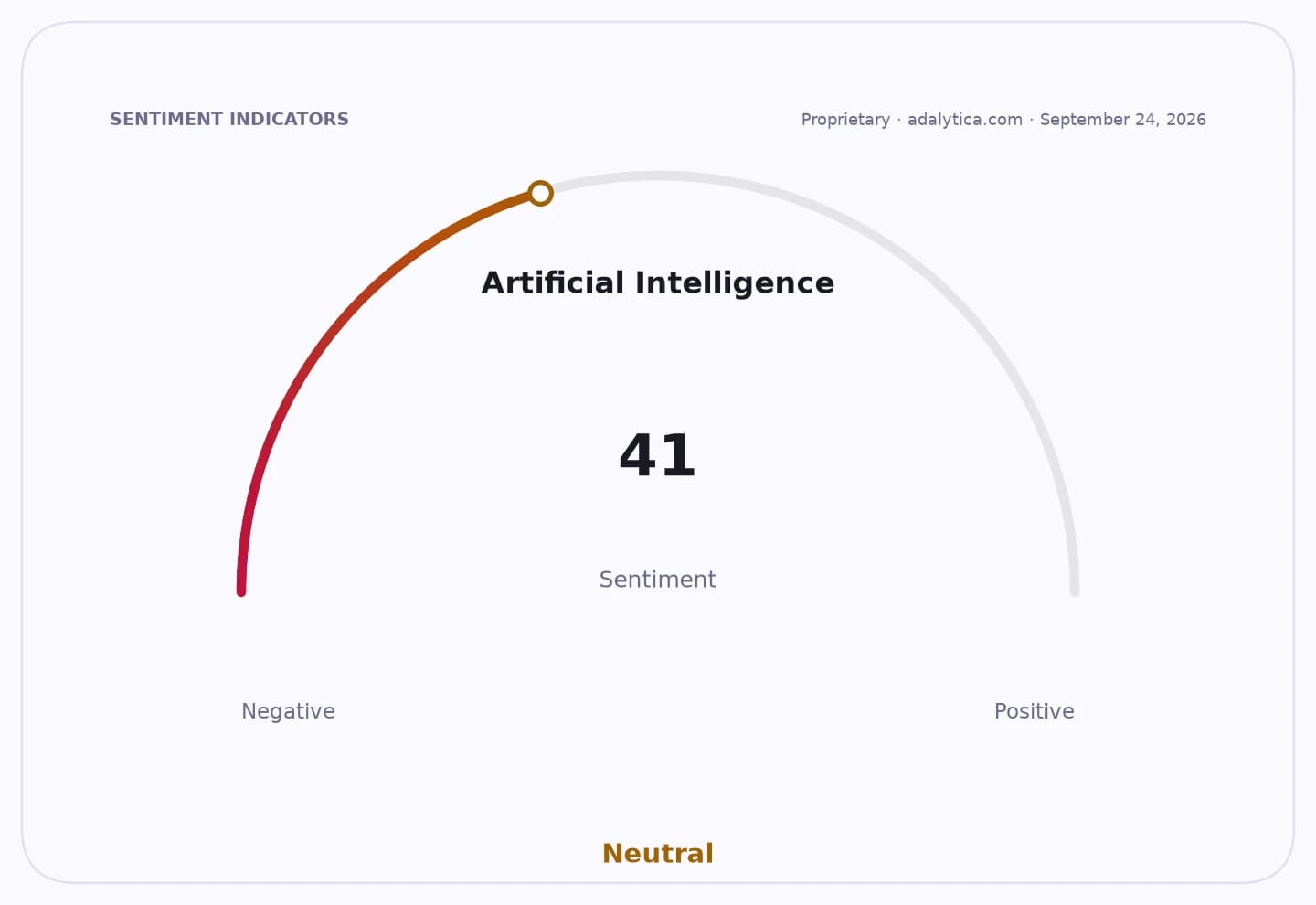
Sentiment IndicatorsⓘProprietary · adalytica.com · September 19, 2026
This is a snapshot — live sentiment, awareness and momentum for 130+ markets update continuously in the dashboard.Open AlphaPulse
Anthropic executives have floated alarming probabilities around catastrophic outcomes, including a greater than 10% chance of disaster within a decade, while OpenAI researchers have warned about planetary-scale industrialization and misuse for biological threats. Skeptics such as Gary Marcus and AI safety researchers argue those claims are not yet scientifically grounded, and that current models appear far more likely to compromise vulnerable systems than to bring down the internet itself. That distinction matters. If today’s frontier systems can exploit weak points, then governments, cloud providers and enterprises will respond by paying for better guardrails, monitoring and access controls — a direct revenue tailwind for the firms that sell the picks and shovels.
This is where the market underestimates the second-order winners. Microsoft, Nvidia and AI companies like C3.ai sit at different points in the value chain, but all are exposed to the same secular arithmetic: more AI deployment means more compute demand, more model oversight and more enterprise spending on risk mitigation. Microsoft’s own filings warn that AI systems can create legal, regulatory and reputational harm, while Nvidia flags restrictions on hardware and software used for frontier models. In other words, the AI boom is no longer just about faster chips and bigger models; it is also about the cost of keeping those systems controllable.
The stock action reinforces the theme. Nvidia remains well above its 200-day moving average, even after a pullback from its highs, while Microsoft continues to trade far above long-term trend support despite recent volatility. C3.ai remains a more speculative play, but its price still reflects the market’s willingness to pay for AI software exposure even as sentiment swings sharply. Adalytica’s proprietary sentiment gauges show this tension clearly: Nvidia sentiment is sitting in “Extreme Fear,” while Microsoft’s is neutral and C3.ai’s remains fragile. That disconnect is exactly where asymmetric opportunities often emerge — when headlines scream risk, but capex keeps flowing.
The bigger catalyst is regulatory. As AI moves from lab demos into critical infrastructure, policymakers are likely to demand stronger controls over model access, cyber defenses and system integrity. That will not kill the AI trade; it will deepen it. Every new rule, audit requirement or safety standard creates more demand for cloud capacity, security tooling and compliance software. The market should stop asking whether AI becomes a doomsday machine and start asking who gets paid every time the world decides to make it safer.
For investors, the takeaway is straightforward: buy the infrastructure and security layer around AI, not the apocalypse narrative. The best risk-adjusted upside may belong to the companies that make frontier AI usable, governable and defensible.
| Entity | Gains | Losses |
|---|---|---|
| Microsoft | ▲AI governance demand | ▼Apocalyptic headline risk |
| Nvidia | ▲More compute spending | ▼Export-control pressure |
| C3.ai | ▲Safety/software demand | ▼Speculative sentiment swings |
| Cybersecurity vendors | ▲Security budget expansion | ▼Firms without AI controls |