Central banks are being forced to rethink inflation and interest-rate settings as artificial intelligence moves from a future productivity story to a present-day source of price pressure.
AI spending, inflation, and central bank rates
Wages
The debate matters because AI can pull inflation in opposite directions at the same time: it may eventually boost output and cool prices, but in the near term it is also driving heavy spending on chips, energy and data centers. That makes it harder for the Federal Reserve, the European Central Bank and the Bundesbank to judge whether policy is restrictive enough, or whether rates need to stay elevated for longer.
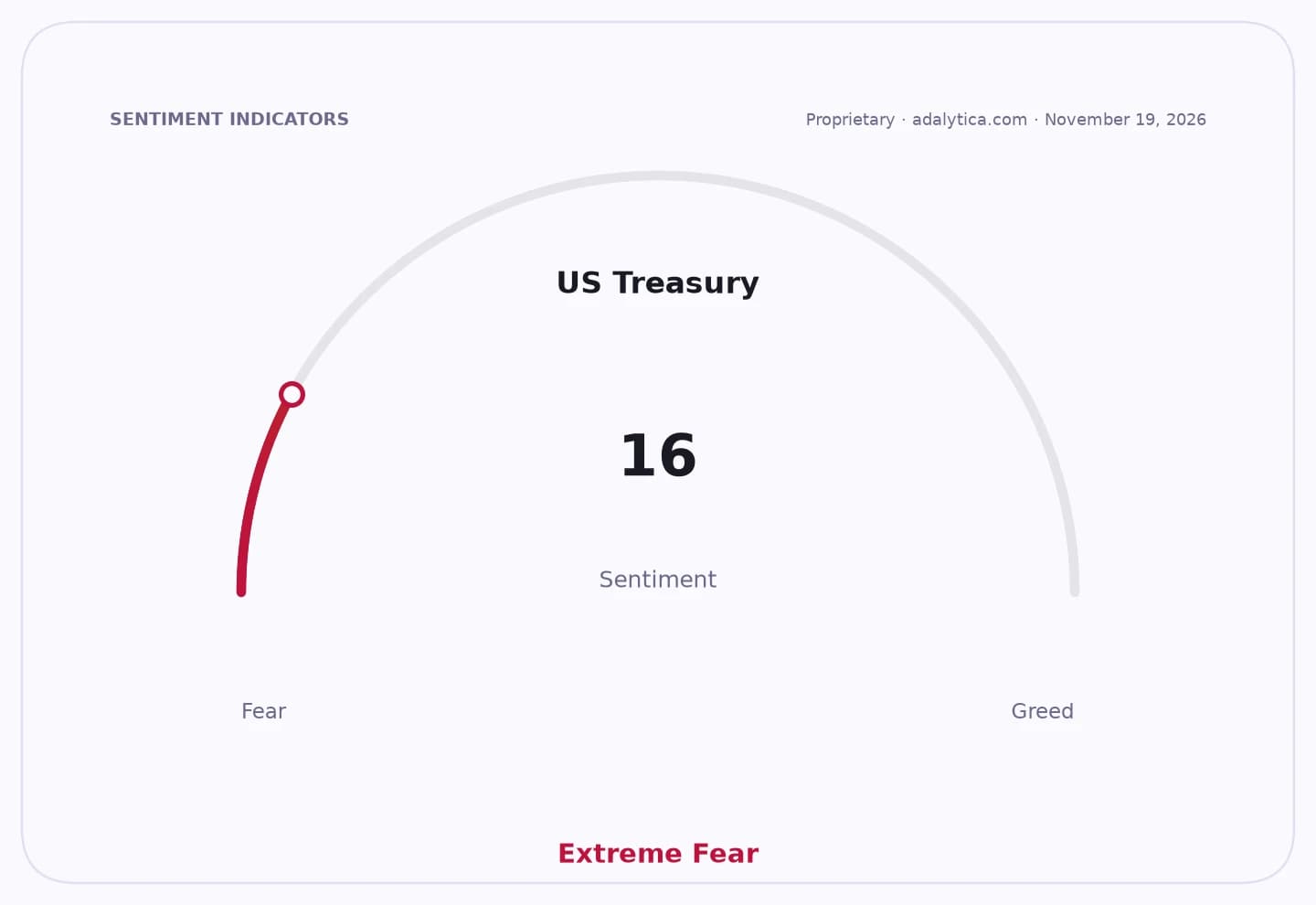
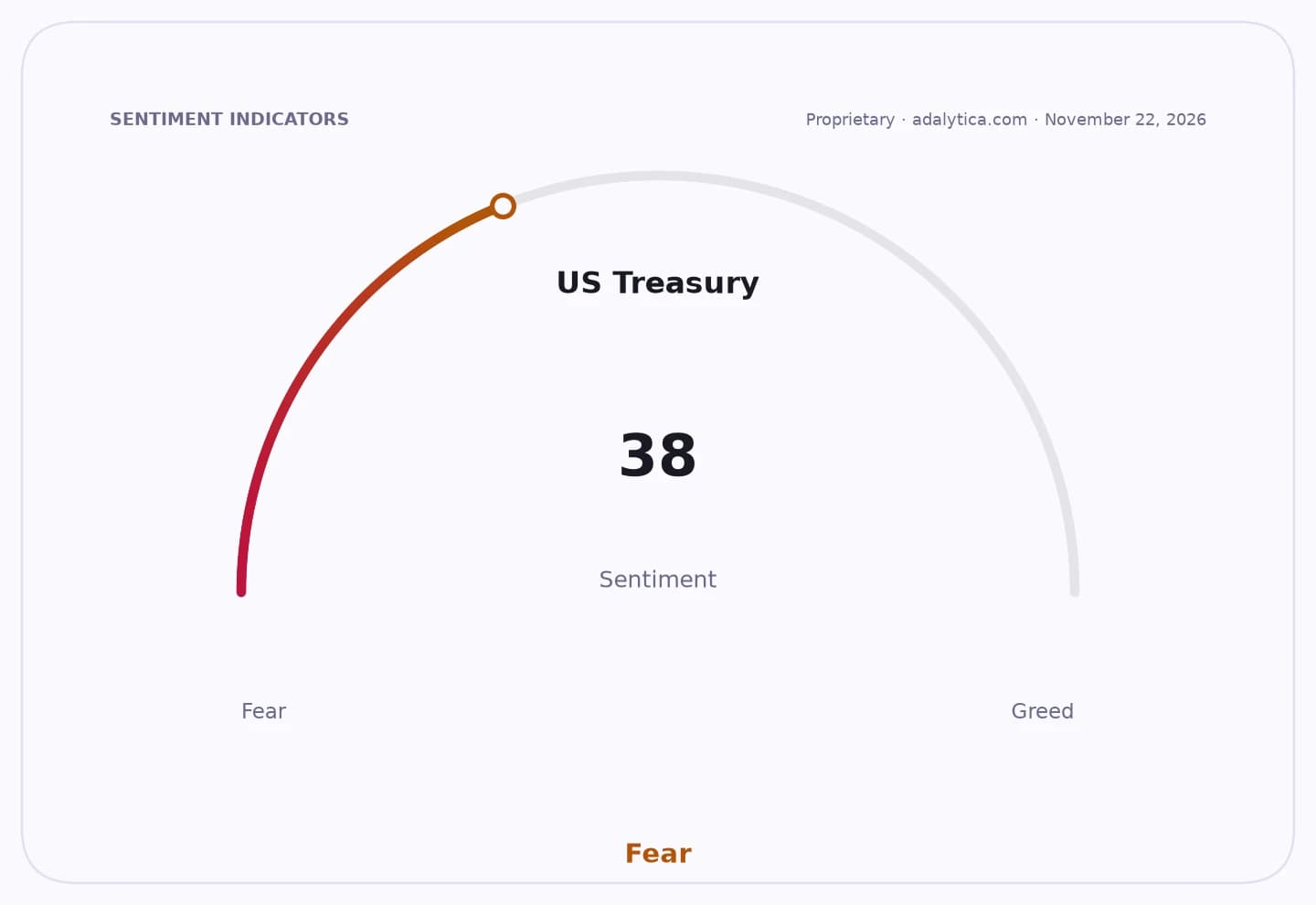
Sentiment Indicators
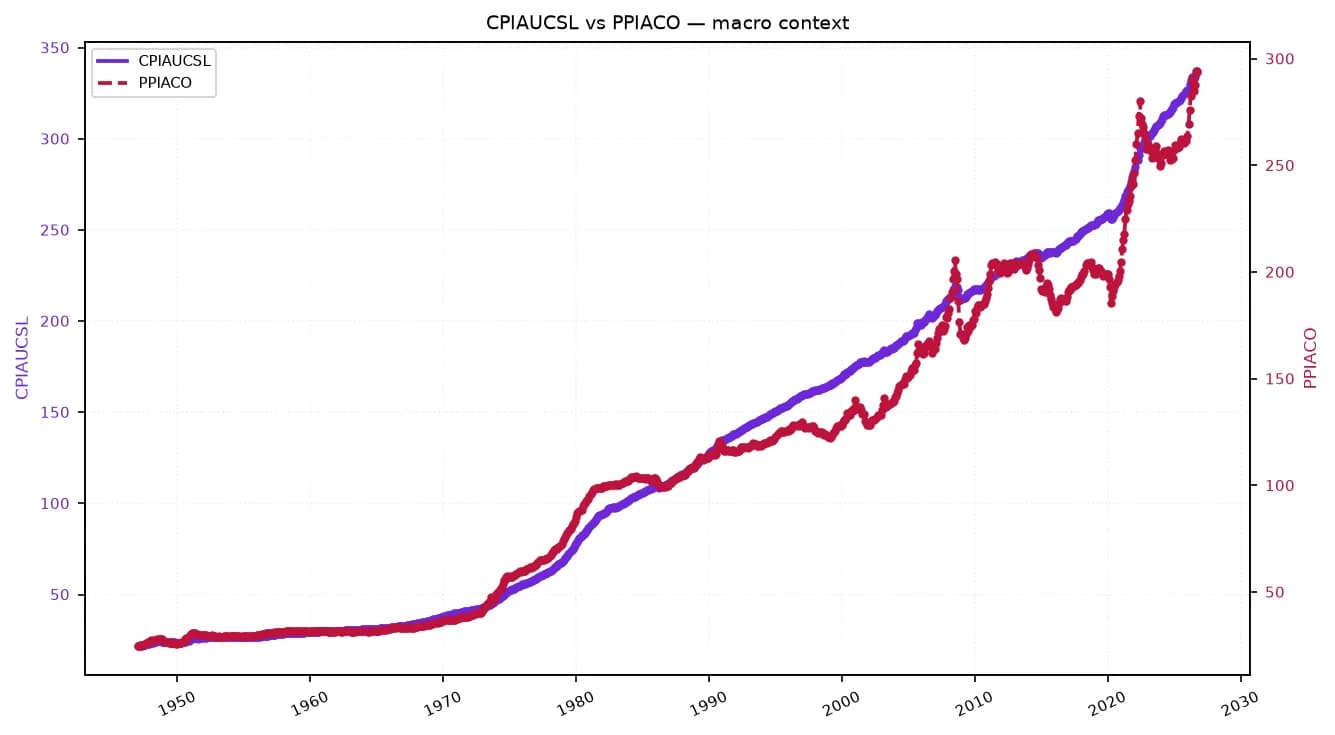
The Fed’s own policy path underlines the tension. The federal funds rate is projected at 3.89% in November, only slightly above the 3.88% reading in October, after falling from 3.63% in August. At the same time, core consumer prices are still rising, with the CPI ex food and energy at 339.9 in October and forecast to edge up again to 340.8161 in November.
Bond markets are already wrestling with that message. The 10-year Treasury yield has climbed to 4.91%, while the iShares 20+ Year Treasury Bond ETF, TLT, has recovered to 81.69 after sliding through much of the year. The move suggests investors are still pricing a world where rate cuts are delayed if AI-fueled investment keeps the economy hotter than policymakers expect.
FEDFUNDS vs CPILFESL — macro contextadalytica.com
Explore this data interactively — full history, time series and cross-market comparisons.
Tech stocks are caught in the middle. Nvidia, a bellwether for AI spending, plunged to $125.53 on Nov. 20 before rebounding to $165.05 on Nov. 23, while gold ETF GLD fell to $333.02 after a sharp two-day drop, reflecting a shift in risk appetite and interest-rate expectations. The selloff in AI names has sharpened the policy question: if capital expenditure on AI keeps surging, it could lift near-term inflation even as it promises longer-run efficiency gains.
That uncertainty is exactly why central bankers are watching the AI cycle so closely. If productivity gains arrive quickly, inflation may cool faster than expected and rates could come down sooner; if power demand, wages and infrastructure spending dominate first, policymakers may have to keep borrowing costs higher for longer. The next Federal Reserve signals and any fresh central bank guidance on AI-driven productivity and prices will be key for bonds, megacap tech and rate-sensitive sectors.
| Entity | Gains | Losses |
|---|---|---|
| Central banks | ▲Better data tools | ▼Clear policy signaling |
| Treasury bears | ▲Higher yields support returns | ▼Price gains in bonds |
| AI infrastructure providers | ▲More spending demand | ▼Higher financing costs |
| Rate-sensitive tech | ▲Productivity upside later | ▼Valuation pressure now |