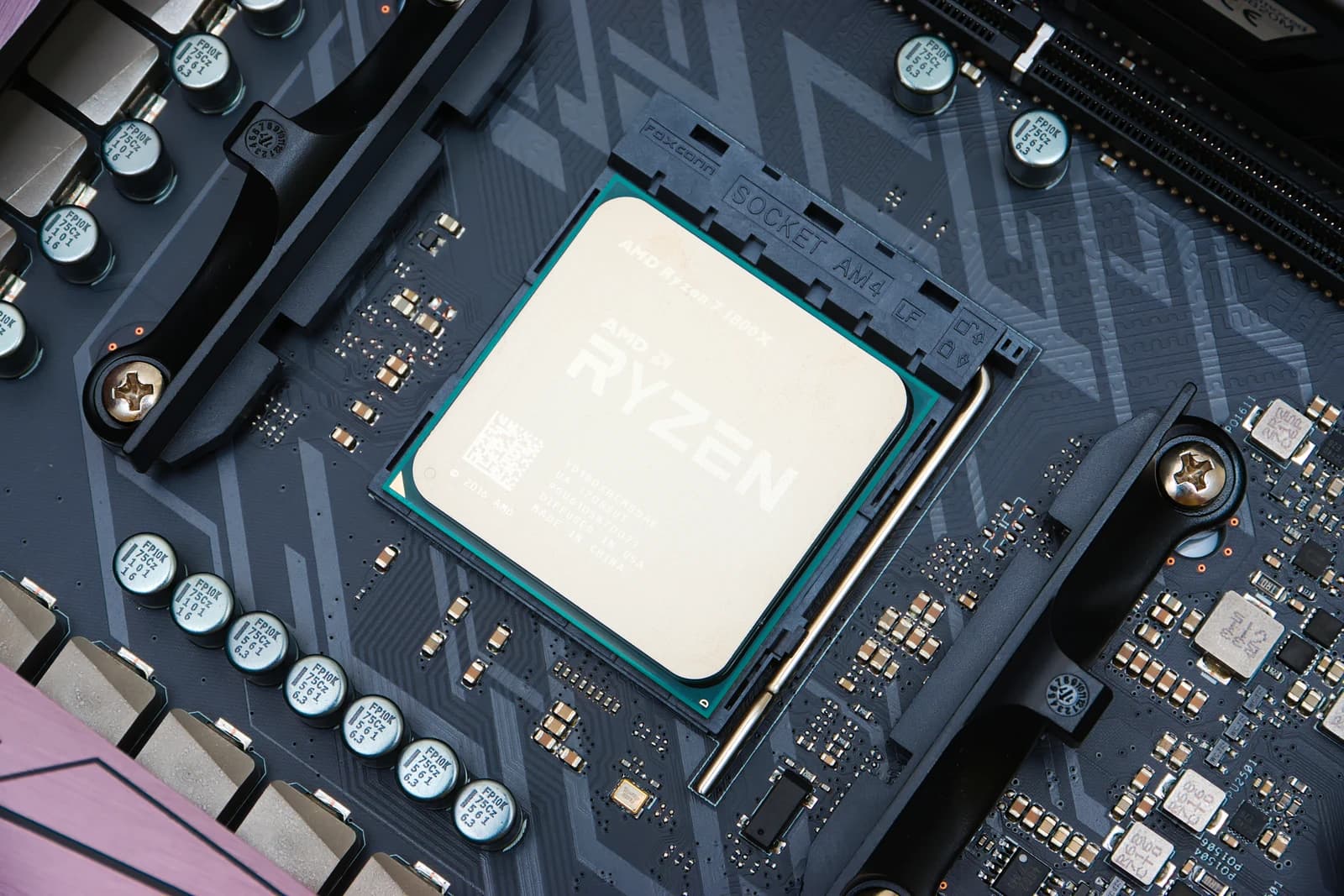
Wall Street opened lower as a selloff in artificial intelligence shares, led by chipmakers and data-center operators, pulled the Nasdaq down 0.69% and raised questions about how much policy risk is now embedded in the market’s biggest growth trade.
AI Stocks Fall as Nasdaq Slides on Policy Worries
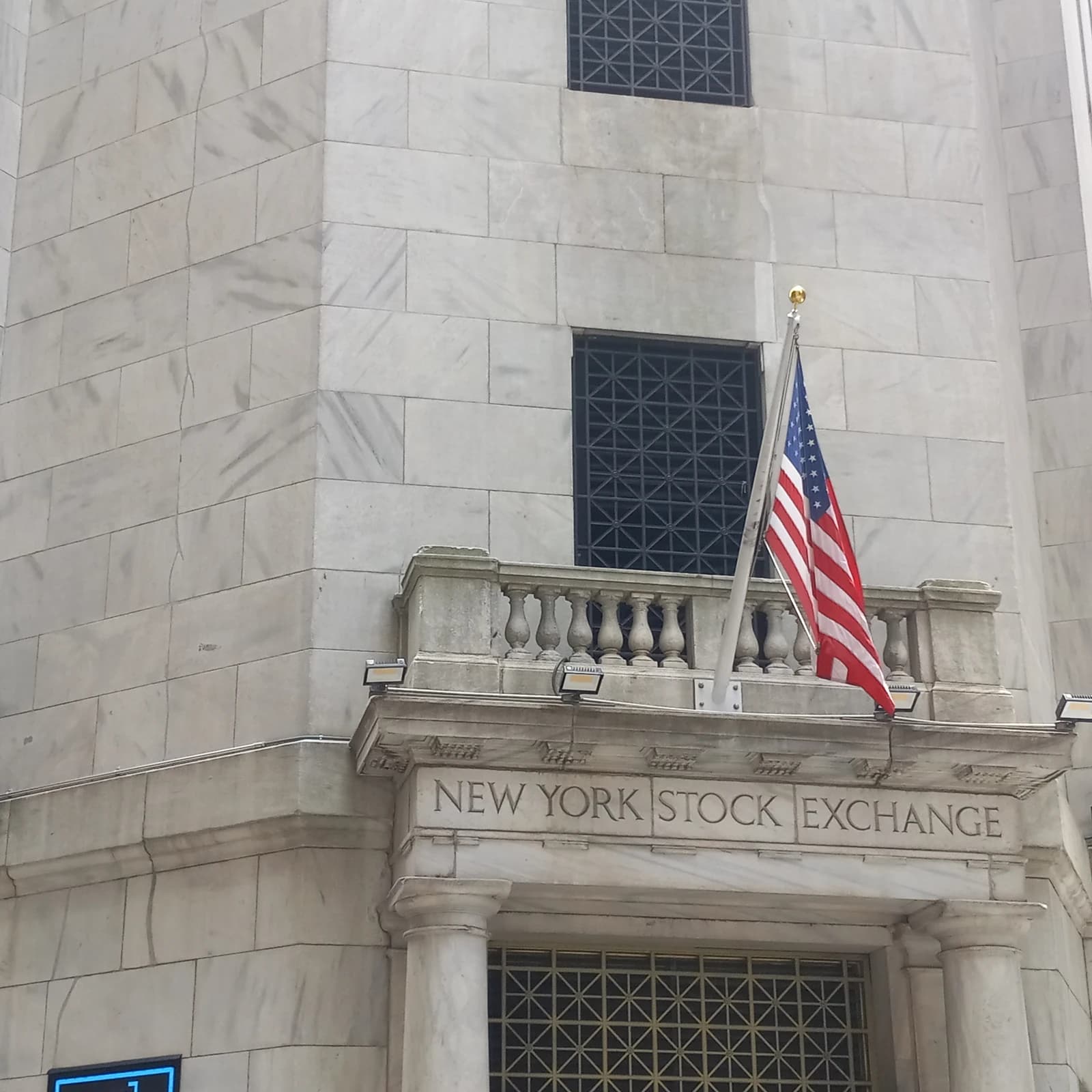
The decline came after Democrats won control of both chambers of Congress and captured several gubernatorial races in states where AI infrastructure investment is concentrated, feeding concern that the build-out of chips, data centers and related power demand could face tighter oversight. That matters economically because the AI supply chain has become one of the main engines of U.S. capital spending and market leadership; if regulation slows deployment or raises compliance costs, it would hit investment plans, margins and valuation multiples across the sector.
Sentiment Indicators

The pressure was concentrated in the names that have powered the recent rally. Marvell Technology fell more than 5%, Broadcom dropped 4% and Nvidia lost more than 2%. Qualcomm sank more than 13% even after beating revenue and profit expectations, as investors focused on its weaker forward guidance rather than the quarter just reported. Data-center operators also slipped, with Applied Digital down more than 4% and Core Scientific off more than 2%.
The move was broad enough to drag on the index level even as the Dow Jones rose 0.60% and the S&P 500 edged down 0.12%, underscoring how concentrated the market’s AI exposure has become. The Nasdaq’s weakness also fits a pattern already visible in exchange-traded proxies: the QQQ remains well below its 50-day moving average, while Nvidia is trading far under its 50-day and 200-day averages after a sharp retracement. SMH, the semiconductor ETF, is also trading beneath both trend gauges, a sign that the pressure is not confined to one or two names.

The macro backdrop is adding to the caution. Brent crude rose nearly 3% and WTI gained as traders reassessed geopolitical risk after speculation that war in Iran could end faded, keeping inflation concerns alive. Richmond Fed President Thomas Barkin said the central bank may still need to raise rates further, while Thursday’s jobless claims fell below expectations and productivity data beat forecasts. Together, those signals suggest the Fed is unlikely to pivot quickly, leaving high-valuation technology shares more exposed to higher discount rates.
For investors, the key question is whether this is a temporary de-rating or the start of a broader reset in AI multiples. Bulls argue the market is overreacting to election outcomes and that demand for semiconductors, cloud infrastructure and data-center capacity remains intact. Bears say the sector’s winners have been priced for near-perfect execution and that even a modest increase in regulation, capex scrutiny or earnings disappointment could force a more durable correction. The next catalyst will be whether upcoming economic data and comments from policymakers reinforce the higher-rate backdrop or whether buyers step in to defend the AI trade.
| Entity | Gains | Losses |
|---|---|---|
| Dow Jones / value stocks | ▲Rotational inflows | ▼Nasdaq-heavy growth trade |
| AI chipmakers | ▲None | ▼Valuation multiple compression |
| Data-center operators | ▲None | ▼Regulatory overhang |
| Bulls on AI pullback | ▲Buying opportunity | ▼Near-term momentum |