AI is driving the cost of making video from about $1,000 to as little as $1, a shift that could redraw the economics of advertising, short-form entertainment and digital content production while putting pressure on jobs and standards across the creative industry.
AI video costs fall as production shifts
The biggest implication is not just cheaper production, but a wholesale change in who can produce video and at what scale. What once required crews, editors and lengthy post-production can now be done by a small team in weeks, or in some cases by a single operator using generative tools. That lowers barriers to entry for independents and brands, but it also risks flooding the market with more content than audiences can absorb, squeezing margins for traditional studios and contractors.
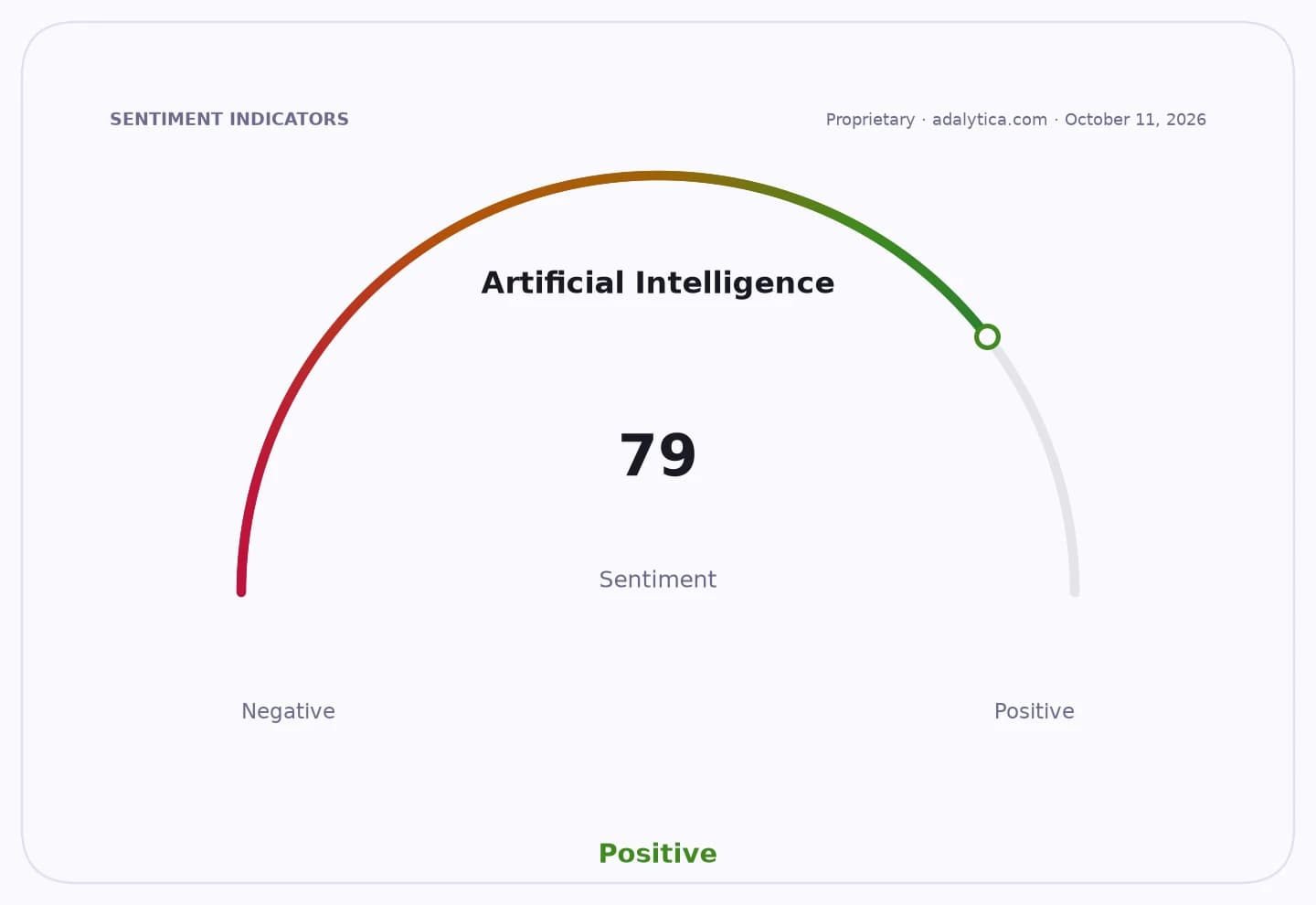
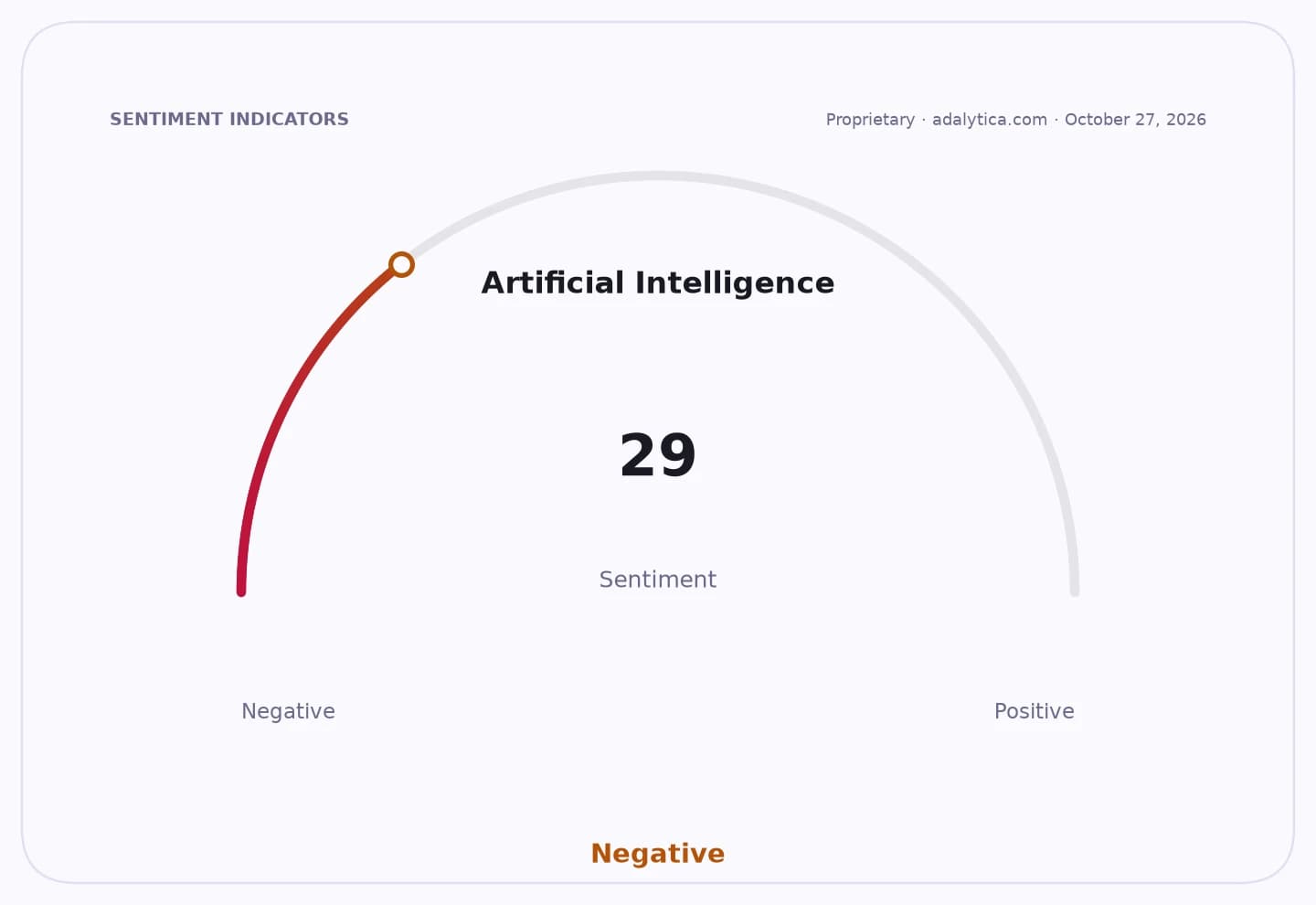
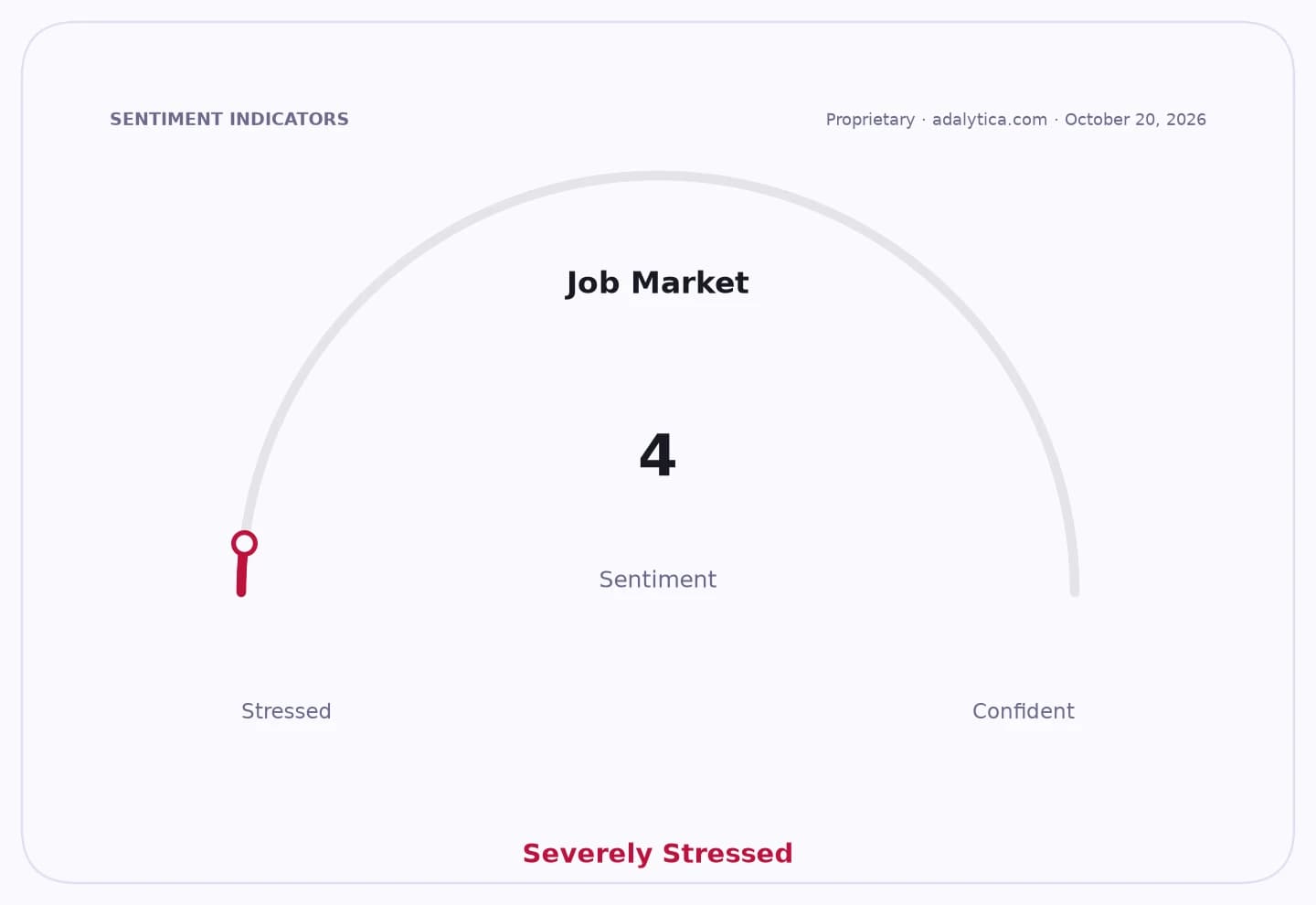
Sentiment Indicators
In China, the disruption is already visible. According to CNA, more than 95% of new short films released in the first quarter of 2026 — about 122,000 titles — were made entirely with AI. The country’s multi-episode short drama market is forecast to exceed 120 billion yuan, or $16.5 billion, this year, underscoring how rapidly AI is moving from a production aid to the core of a fast-growing entertainment segment.
That scale matters economically because video production has long been a labor-intensive service industry with high fixed costs and limited productivity gains. AI changes that cost structure by compressing pre-production, animation, editing and localization work. The winners are likely to be brands, platforms and small creators that can produce more content for less money. The losers are workers in lighting, extras, wardrobe, editing and other roles that can be automated or consolidated. In some short-form teams, work that once required five or six editors is now being handled by one person.
The industry’s hard stop on quality is that cheaper does not yet mean seamless. AI can generate striking visuals, but it still struggles with continuity between scenes, facial nuance and emotional depth. Small errors in lighting, weather or movement can make stitched-together footage look artificial, and professional-grade cleanup can eat into the cost savings. That is why the most expensive part of production may increasingly become not creation, but correction.
There is also a demand-side risk. A recent failure of China’s first fully AI-generated feature film at the box office suggests audiences will tolerate novelty only to a point, especially when storytelling and polish lag behind the technology. The lesson for investors is that the market opportunity is real, but not every AI video business will benefit equally. Platforms and software vendors that help creators iterate quickly may gain share, while labor-heavy production houses and undifferentiated content mills face compression.
For listed media and software companies, the broader thesis is that AI lowers the marginal cost of content but does not eliminate the need for creative direction, rights management and premium storytelling. The competitive edge is shifting from production capacity to originality, workflow integration and the ability to deliver quality at scale. Over time, that should favor companies that can embed AI into existing creative stacks without destroying audience trust.
| Entity | Gains | Losses |
|---|---|---|
| Brands and advertisers | ▲Lower production costs | ▼Less original output |
| Independent creators | ▲Cheaper entry to video production | ▼Higher competition |
| Creative workers | ▲Faster tooling skills demand | ▼Fewer routine jobs |
| Studios and production houses | ▲Faster workflows | ▼Pricing power and labor demand |