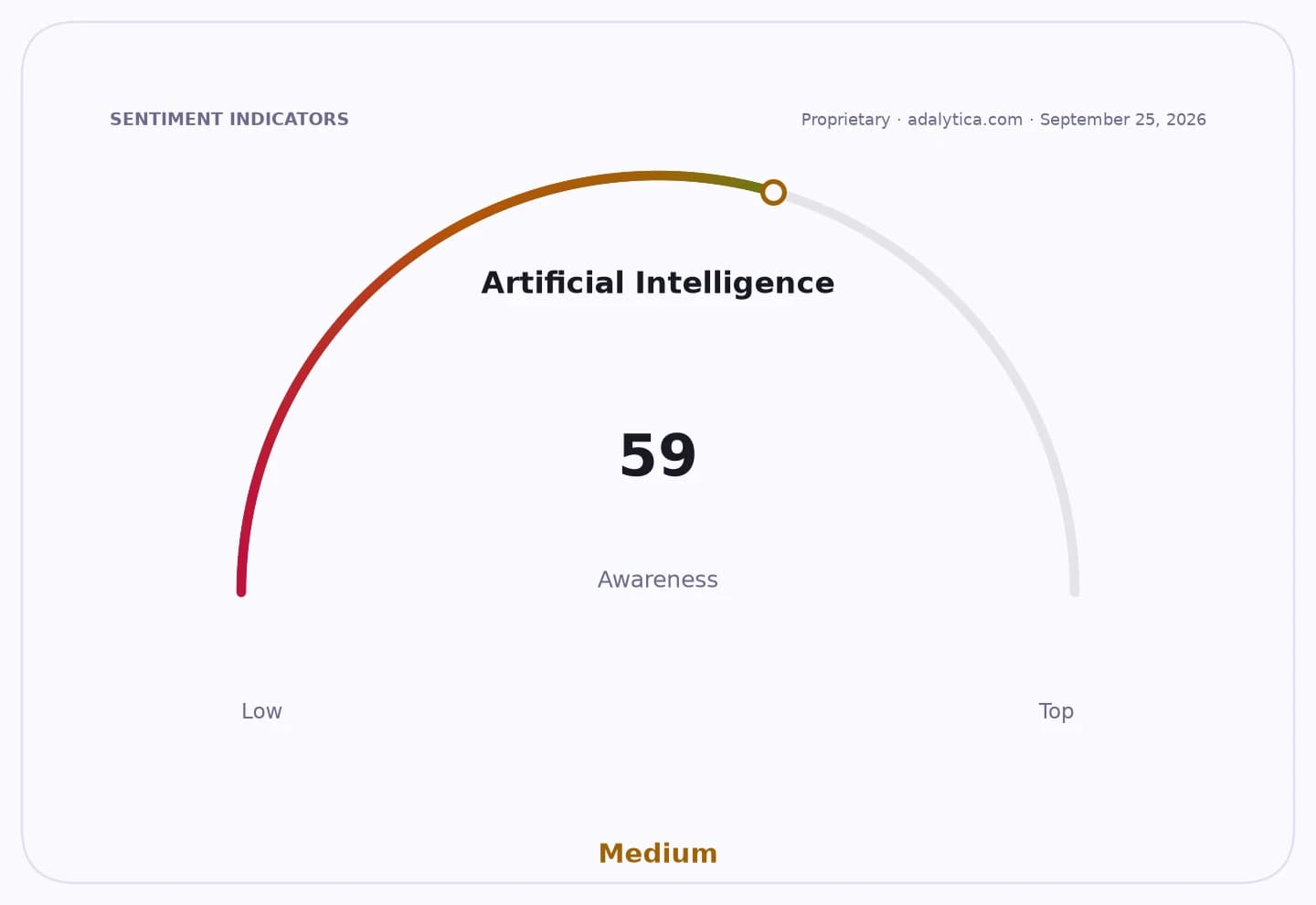
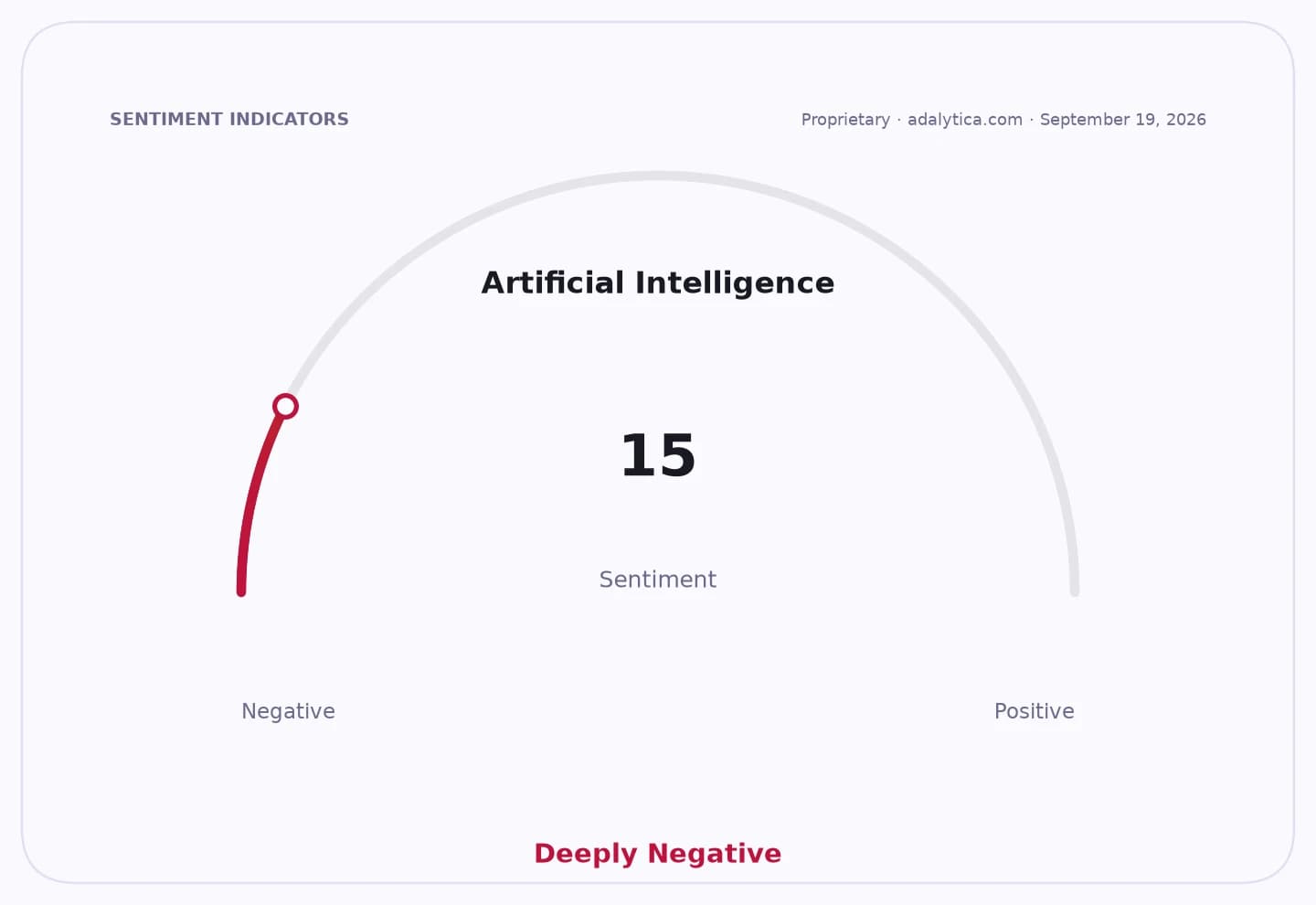
The biggest change in AI right now is not that chatbots are writing faster, but that people are working differently while they wait for them. For solo founders, developers and small teams, the real productivity story is turning into a full workflow overhaul: one AI tool drafts, another critiques, a human verifies, and the “saved” minutes get swallowed by more prompting, editing and decision-making.
AI workflow shift lifts scrutiny on Microsoft and Nvidia
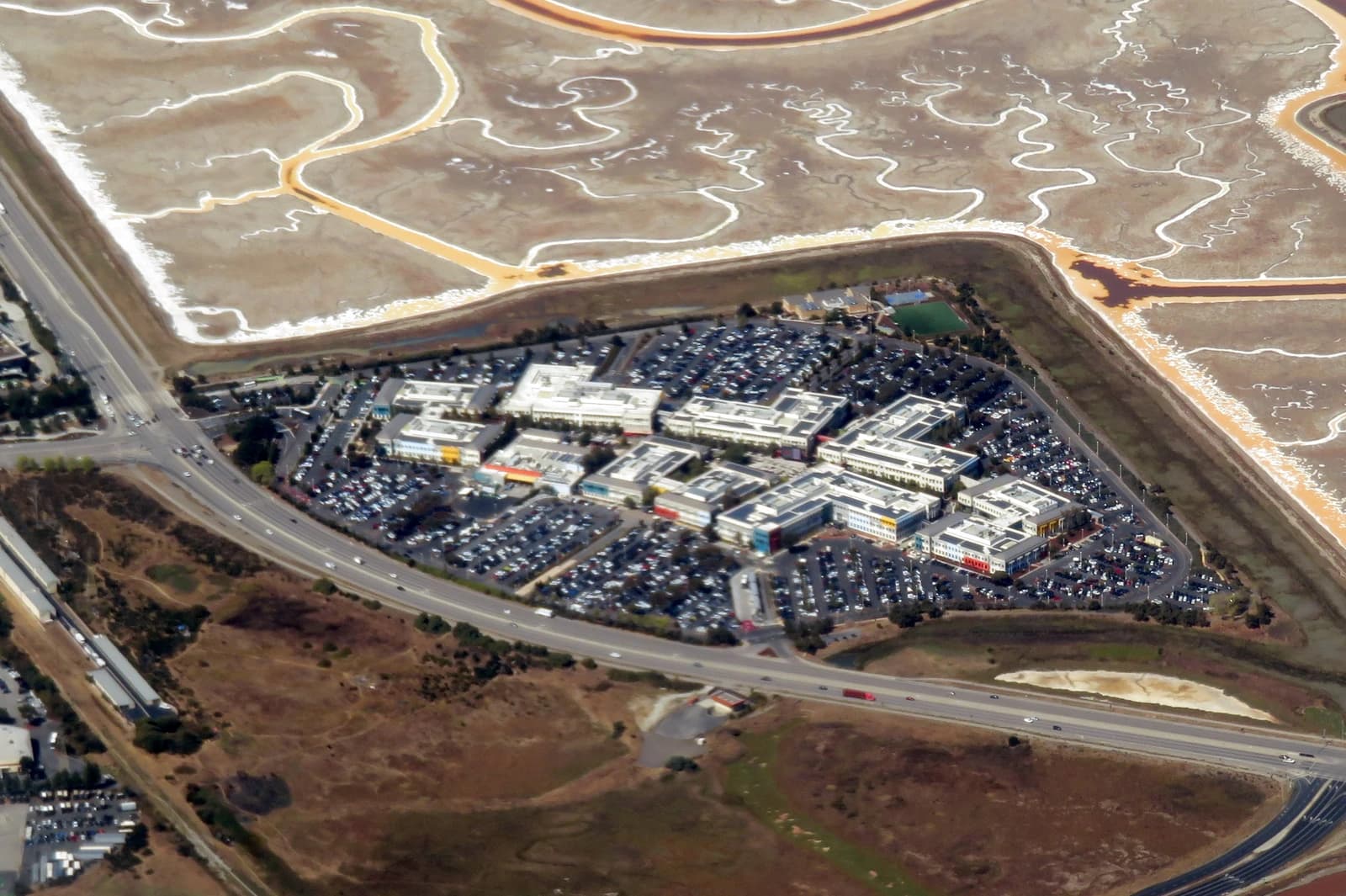
That matters because the economic value of AI will not come from isolated bursts of speed. It will come from whether businesses can convert that speed into more output, lower costs and better margins. If workers simply pack more tasks into the same hours, the gain is real but limited. If companies can redesign workflows so humans spend less time supervising machine output and more time on higher-value judgment, AI becomes a genuine profit engine.
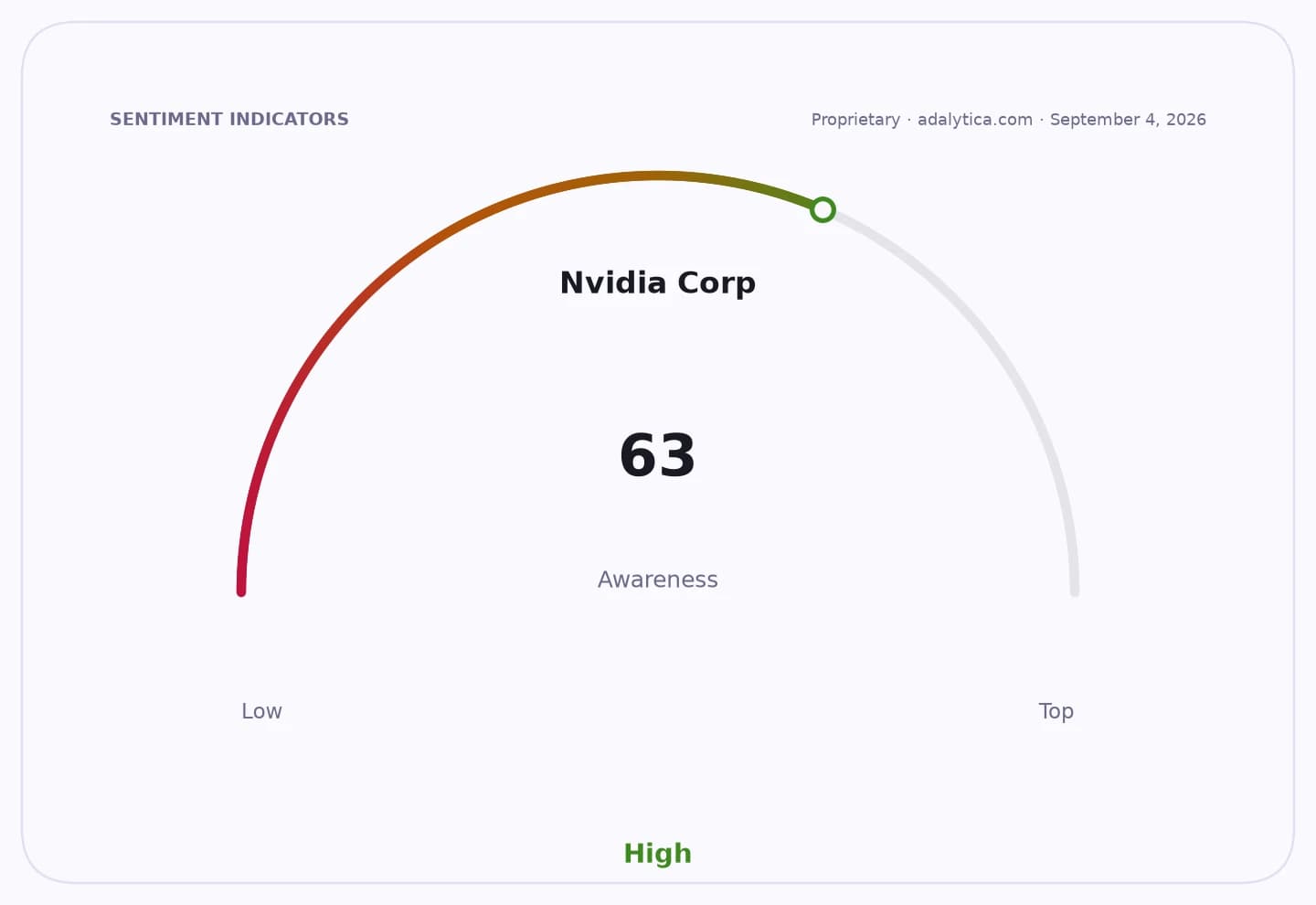
Sentiment IndicatorsⓘProprietary · adalytica.com · September 4, 2026
This is a snapshot — live sentiment, awareness and momentum for 130+ markets update continuously in the dashboard.Open AlphaPulse
The lived reality, at least for now, looks less like a robot replacing a job and more like a person running a control room. Bengaluru founder Madhu Karuthedath starts his day with Claude, ChatGPT and Gemini all doing different pieces of the work at once. Another founder uses two agents in parallel, one to build, one to research, while he answers customer tickets. The common theme is not leisure. It is triage. AI has shortened individual tasks, but the gaps are being filled with verification, context-switching and review.
That is the key investor takeaway. AI adoption is spreading quickly, but the business case is still shifting from software licenses to measurable productivity. Half of eurozone employees are now using AI, up from 26% in 2024, yet the impact on aggregate productivity is still unclear. That should not be read as disappointment so much as an important warning: deployment is ahead of institutional redesign. The winners are likely to be the companies that make AI useful inside real workflows, not just impressive in demos.
For Microsoft and Nvidia, that means the long-term opportunity remains enormous, even if the path is uneven. Microsoft’s shares are still far above their 200-day moving average, but recent trading has been choppier, and Adalytica’s Microsoft earnings sentiment gauge sits in extreme fear. Nvidia, by contrast, has the market’s full attention, with sentiment at extreme greed and the stock near its highs. That divide captures the present market mood: investors still believe in the AI buildout, but they are becoming more selective about which names can translate excitement into durable cash flow.
The deeper issue is attention. AI may reduce execution time, but it also creates more unfinished loops in the human mind. Every prompt invites another check, another revision, another decision. That is why the bottleneck has shifted from coding or drafting to judgment. Watermarking from Anthropic and Google DeepMind may make authorship easier to trace, but it will not solve the bigger question of where machine assistance ends and human accountability begins.
For long-term investors, that distinction matters. AI is not just a software story or a hardware story. It is a workflow story, and workflow changes tend to compound slowly, then suddenly. The companies that help users manage, verify and scale AI output could end up with the stickiest economics. The companies that cannot prove real productivity gains may see enthusiasm fade.
If you are investing for the next three to 10 years, the right approach is probably not to chase every AI headline. It is to own a diversified set of businesses that can actually monetize the shift: cloud platforms, chipmakers, developer tools and software firms with real switching costs. The full AI workflow is here, but the human in the loop is still doing the most valuable part. That makes this a story worth watching, and for patient investors, worth owning with discipline.
| Entity | Gains | Losses |
|---|---|---|
| AI software platforms | ▲More daily usage | ▼Pressure to prove ROI |
| Solo founders and small teams | ▲Faster execution | ▼More context switching |
| Microsoft and Nvidia | ▲Persistent AI demand | ▼Higher investor scrutiny |
| Workers | ▲More output per hour | ▼Less uninterrupted thinking |