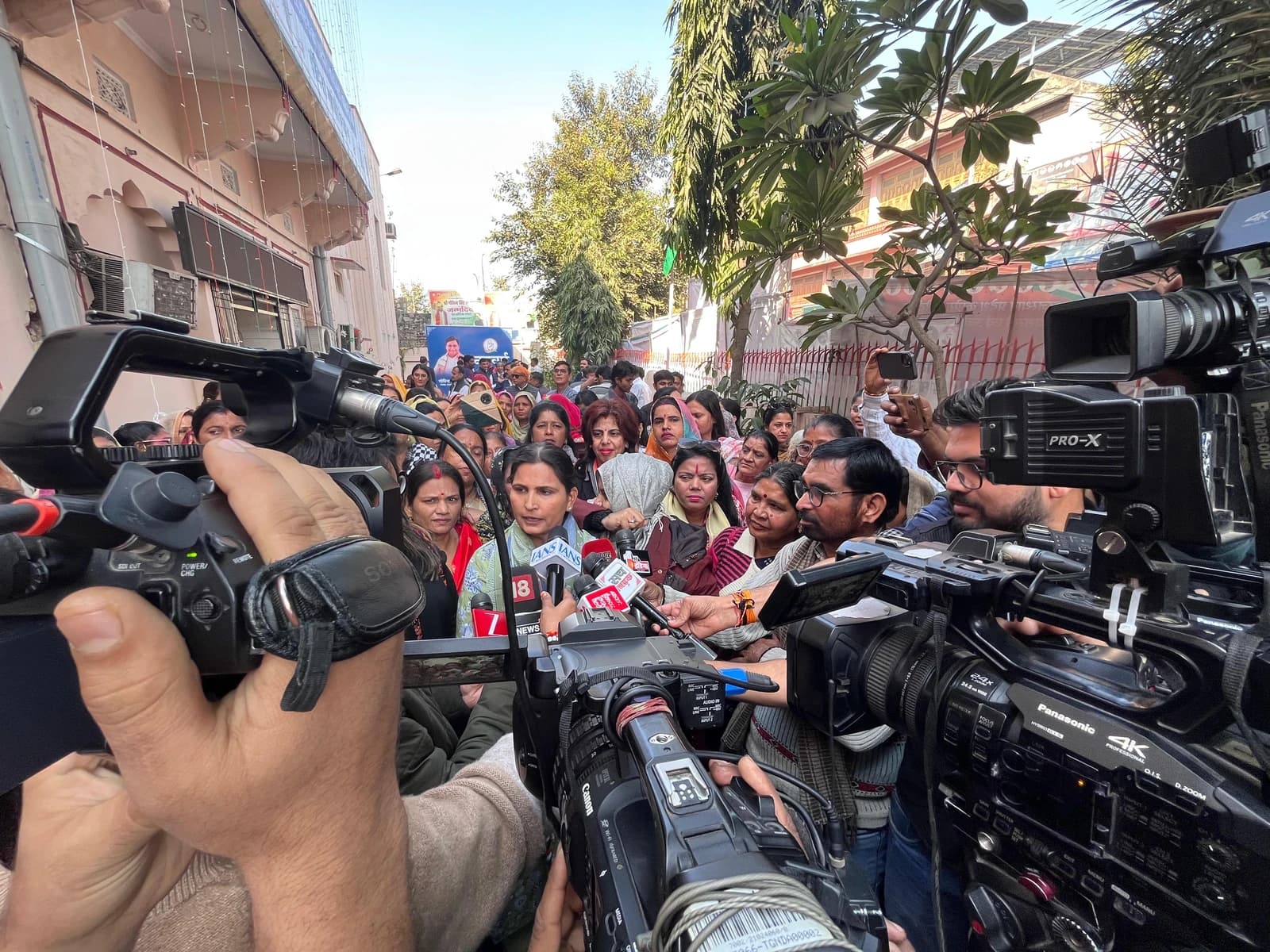
Donor support for multilateral aid in 2024 is looking less like a one-off budget item and more like a test of political will, as cuts and uneven commitments are already showing up in the lives of hundreds of thousands of people who depend on humanitarian support.
Aid cuts strain NGOs and vulnerable households
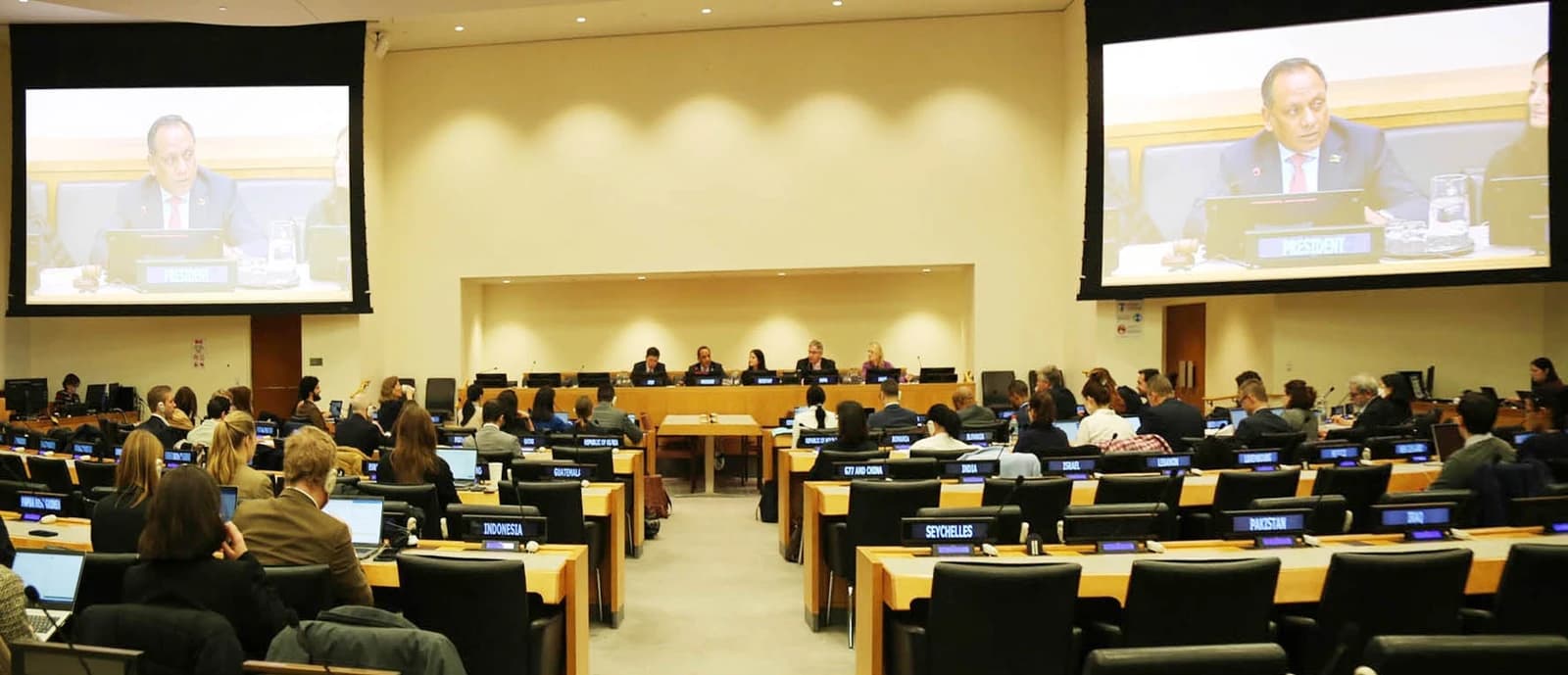
That matters because multilateral aid is one of the quiet stabilizers of the global economy. When governments and institutions fund food, shelter, legal aid and emergency relief through multilateral channels, they help reduce the social strain that can spill into deeper poverty, weaker local demand and higher fiscal pressure later on. When they pull back, the costs do not disappear — they shift to charities, municipalities and households already under stress.
Caritas says recent government cuts are now affecting 436,000 people who rely on humanitarian aid, a stark reminder that the numbers behind aid budgets translate directly into access to basic services. The organization is pushing for annual funding of three billion euros, arguing that reliable support is needed as energy poverty and other forms of vulnerability persist.
For investors, the relevance is not that aid spending is a market driver in the usual sense, but that it is a signal of how governments are balancing social obligations against tighter budgets. That tension can matter for sovereign credit, public-sector vendors, charities, and companies exposed to consumer hardship in vulnerable regions. It also speaks to a broader theme investors should not ignore: in periods of strained public finances, the resilience of social safety nets becomes a key part of economic stability.
The underlying story is simple. Demand for aid is not easing, but donor appetite appears fragile. That gap raises the odds that nonprofits and local agencies will need to do more with less, while households facing energy poverty, legal insecurity and other hardships remain exposed. If funding does not improve, the pressure is likely to build rather than fade.
Long term, investors should watch whether governments treat humanitarian support as a cyclical expense to trim or a structural necessity to protect. In a world of recurring shocks, supply constraints and uneven growth, the second view may prove far more durable — and far more expensive to ignore.
| Entity | Gains | Losses |
|---|---|---|
| Aid recipients | ▲More reliable support | ▼Deeper service gaps |
| Caritas and NGOs | ▲Stronger funding base | ▼Greater strain from cuts |
| Governments | ▲Budget flexibility | ▼Political pressure |
| Local economies | ▲Social stability | ▼Higher hardship costs |