Europe’s plan to build more satellite sovereignty is colliding with a simple, high-stakes question: who pays for it, and how fast.
Airbus, EU Satellite Funding and Aerospace Stocks

That matters because Brussels is trying to reduce dependence on foreign space and communications infrastructure just as military planners, governments and commercial operators are all demanding more secure connectivity. A tighter EU funding framework would not just shape Europe’s space strategy; it would decide how quickly the bloc can turn sovereignty rhetoric into launch contracts, satellite orders and long-term revenue for aerospace suppliers.
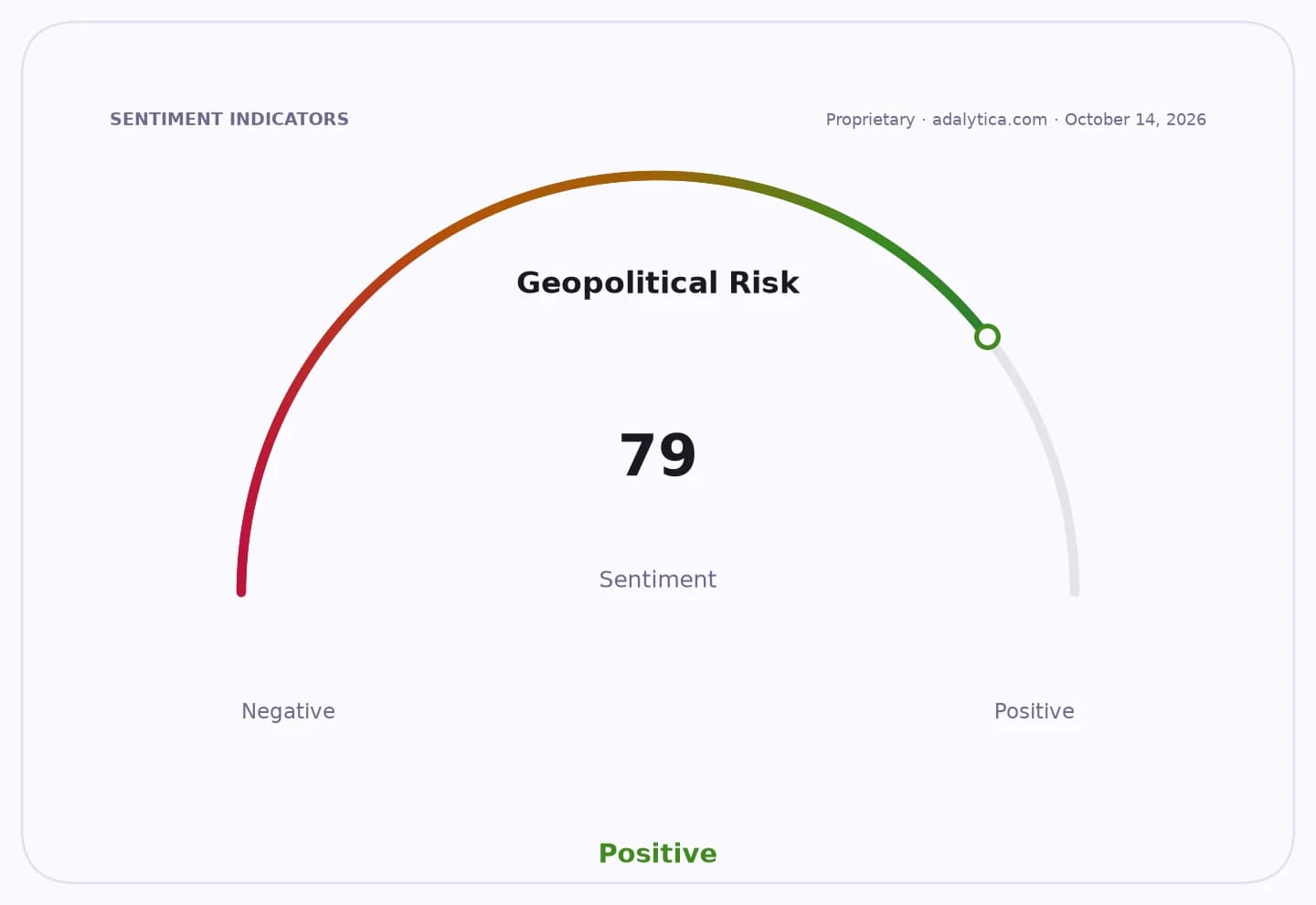
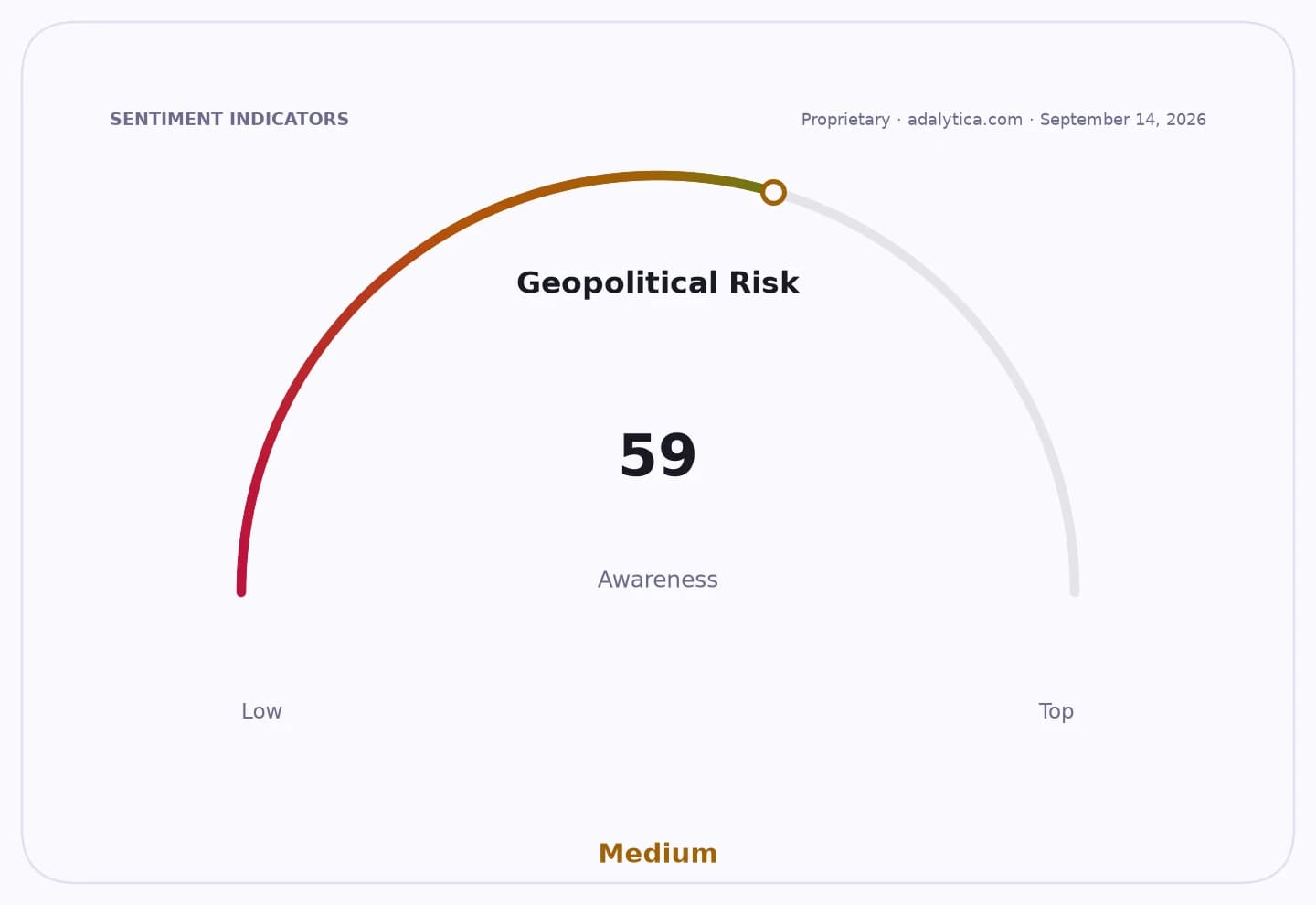
Sentiment IndicatorsⓘProprietary · adalytica.com · October 13, 2026
This is a snapshot — live sentiment, awareness and momentum for 130+ markets update continuously in the dashboard.Open AlphaPulse
The tension is visible in the market. Airbus shares, which trade in New York under ticker AIR, have dropped to about $99.35 from $153.71 in mid-August, a steep reset that leaves the stock below both its 50-day and 200-day moving averages. The technical picture is weak, with the relative strength index near 21.5, a level that often reflects deeply oversold conditions, while the MACD remains negative. Lockheed Martin has also slid to roughly $504 from above $600 in August, and Boeing has fallen to about $186 from $240 in May, underscoring how investors are repricing defense and aerospace names even as the long-term satellite opportunity remains intact.
The bigger investment story is that Europe’s push for strategic autonomy could become a multi-year demand driver if policymakers can commit real money. Satellites are no longer niche hardware. They sit at the intersection of defense, navigation, disaster response, border security, banking resilience and, increasingly, AI-enabled communications. For investors, that means funding decisions in Brussels can ripple through the supply chain, from prime contractors such as Airbus to U.S. defense firms that compete for global programs and commercial operators that depend on government-backed demand.
But sovereign ambitions are expensive. Building and refreshing constellations, ground systems and launch capacity requires sustained public spending, not one-off announcements. That is where the EU test becomes economically important. If member states pull in different directions or funding arrives too slowly, Europe risks staying dependent on U.S. and other non-European satellite networks. If the bloc commits decisively, it could create a steadier order pipeline for aerospace companies and give European industry a stronger foothold in a market that should only grow as security concerns intensify.
For long-term investors, the key is not to chase every headline. It is to identify who benefits from durable public spending and who is vulnerable to delays. Airbus remains the most direct European lever on satellite sovereignty, while Lockheed Martin and Boeing are more exposed to broader defense and space spending trends. After the recent selloff, the sector may be offering value, but the next leg up will depend on whether Europe turns its sovereignty ambitions into funded programs.
| Entity | Gains | Losses |
|---|---|---|
| Airbus | ▲EU satellite contracts | ▼funding delays |
| Lockheed Martin | ▲global space demand | ▼Europe-only sourcing |
| Boeing | ▲launch and defense work | ▼slower procurement |
| EU member states | ▲secure infrastructure | ▼budget strain |