The return of the Thanksgiving travel rush is reinforcing a broader message for investors: U.S. consumers are still willing to spend on experiences even as prices remain elevated, and airlines are entering the holiday period with demand holding up better than many had feared.
Airlines See Holiday Travel Demand Hold Up
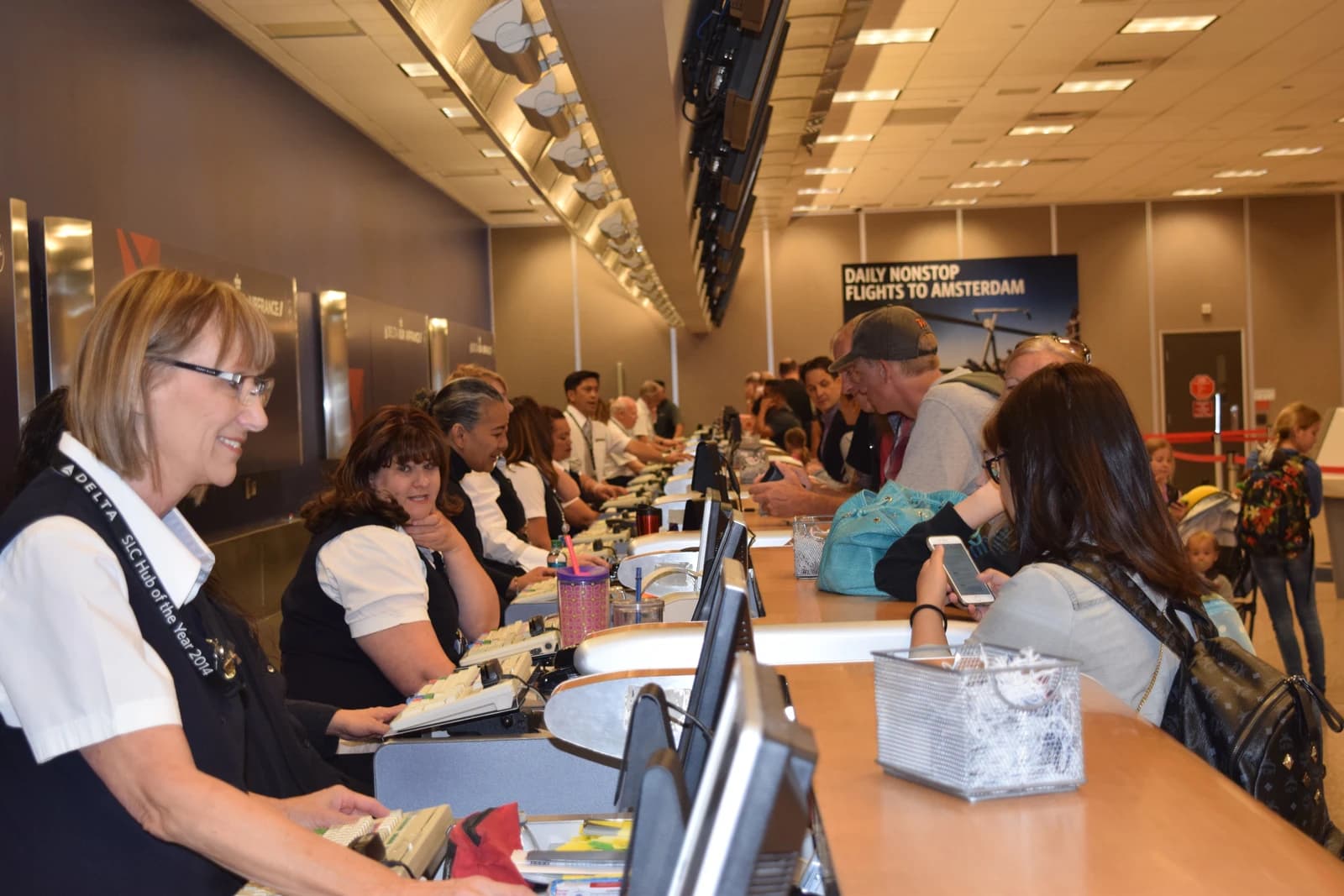
That matters because Thanksgiving is one of the clearest real-time tests of consumer resilience. A rebound in air travel after years of uneven holiday demand suggests households are still prioritizing trips over discretionary goods, despite the continued squeeze from inflation. The latest data points to that resilience: consumer prices remain well above pre-pandemic levels, with the CPI running at 337.5 in October and projected to edge higher in November, while unemployment is still low at 4.1%, a backdrop that keeps travel budgets intact for many households.
Sentiment Indicators
For airlines, the implications are immediate. Demand strength into the holiday season can help support pricing, especially on crowded routes, and improve load factors at a time when carriers are trying to protect margins after a volatile year. United Airlines and Delta Air Lines have both reported revenue strength in recent quarters, with passenger revenue and unit revenue helped by robust bookings and premium demand. That gives the industry more room to absorb higher fuel, labor and operating costs, though it also means the strongest gains remain concentrated in carriers with premium networks and pricing power.
The equity market has already been leaning into that thesis. The U.S. Global Jets ETF, which tracks airlines, has been volatile but is still trading above its 200-day moving average, while Delta shares have outperformed the broader market over parts of the year and United remains near its long-term trend. Technically, both stocks recently showed a rebound in relative strength after pulling back, reflecting a market that still sees travel demand as intact even if the sector remains sensitive to fuel prices, capacity discipline and any slowdown in consumer spending.
The deeper narrative is that inflation has not killed travel demand; it has changed who pays and how. Wealthier consumers and business travelers have kept premium cabins and loyalty-driven bookings strong, while more price-sensitive households may be using points, trading down on other purchases or booking later. That split helps explain why airlines with stronger premium franchises and loyalty businesses continue to look better positioned than low-cost carriers facing tighter margins and more fare competition.
For investors, the next question is whether this holiday strength can persist into 2027, when pricing power will depend on whether capacity growth stays disciplined and whether consumers continue to absorb higher fares. If holiday travel volumes remain elevated, it will strengthen the case that the U.S. consumer is not breaking under inflation — only becoming more selective.
| Entity | Gains | Losses |
|---|---|---|
| Airlines | ▲Higher holiday fares and load factors | ▼Fuel and operating-cost pressure |
| Premium carriers | ▲Stronger pricing power | ▼Budget-focused competitors |
| U.S. consumers | ▲Better travel availability and services | ▼Higher ticket prices |
| Inflation-sensitive households | ▲Use points and trade-down options | ▼Reduced spending flexibility |