U.S. firms are bracing for faster cost growth over the next year, with the Atlanta Fed saying year-ahead unit-cost expectations climbed to 2.5% in November as more companies reported passing tariff-related expenses through to customers.
Atlanta Fed November unit-cost expectations rise to 2.5%
The rise matters because unit-cost expectations are a forward-looking gauge of corporate pricing pressure, not a measure of consumer inflation itself. Still, when businesses say their own costs are rising and that they are responding by raising prices, it increases the odds that tariff effects will filter into broader inflation data and complicate the Federal Reserve’s path on rates.
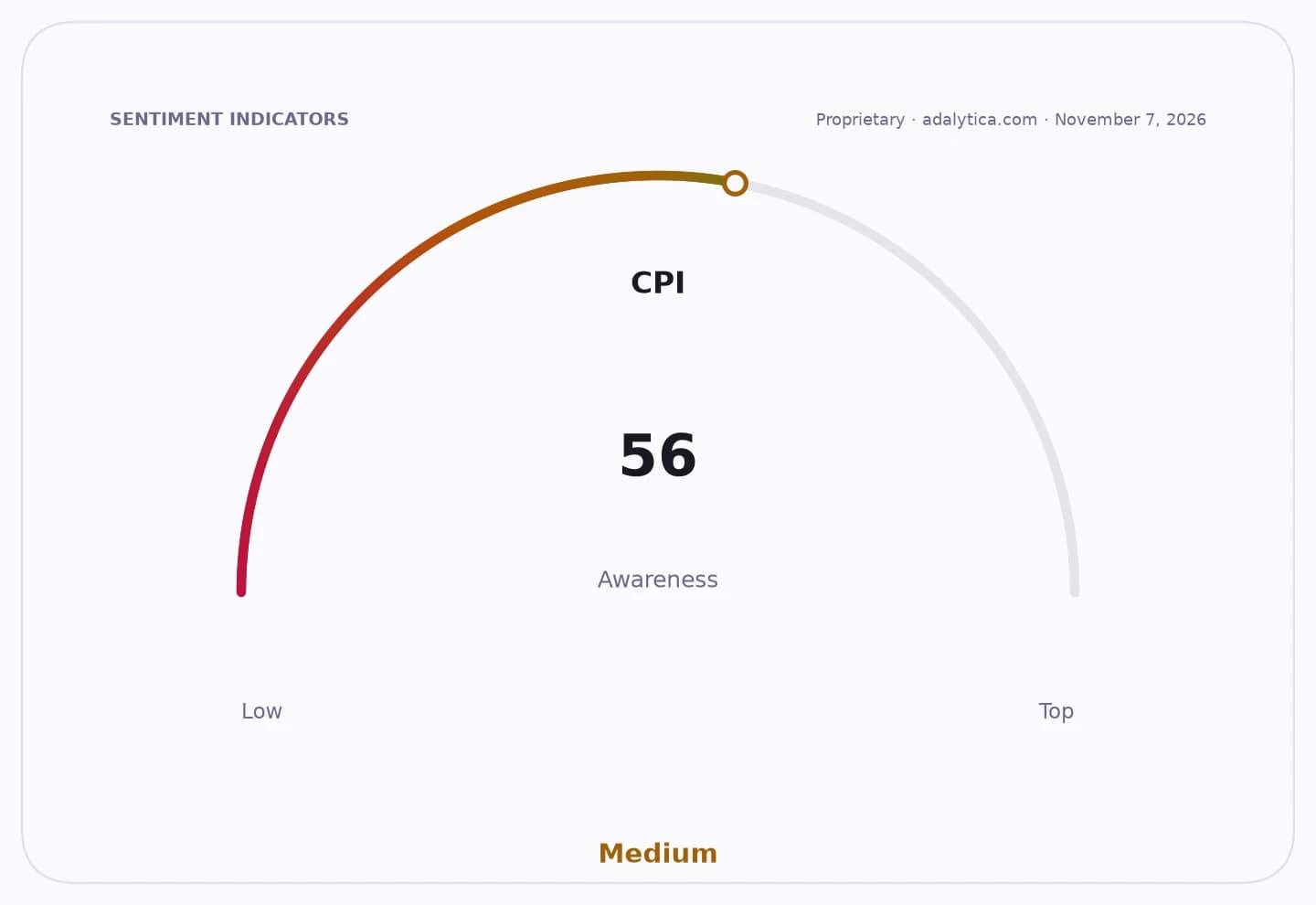
Sentiment Indicators
November’s reading was up from 2.3% in October, 1.3 percentage points below the April 2022 peak of 3.8%, and modestly above the 2.0% average seen from 2017 through 2019. The report also showed that more than 60% of respondents said 2025 tariffs had affected their firms, while a majority said they had raised prices in response.
That combination is important for the real economy because it suggests tariffs are not only lifting input costs but also changing business behavior. The Atlanta Fed said firms’ ability to absorb the hit depended partly on inventory type, with some able to use cost-locking mechanisms. But most respondents said they held no inventory, leaving them more exposed to immediate price swings and less able to delay pass-through.
For investors, the signal is twofold. First, it reinforces the risk that inflation will remain sticky even if headline consumer price gains cool on a month-to-month basis. Second, it keeps pressure on sectors most sensitive to imported inputs and pricing power, while supporting the case for inflation hedges if tariff costs continue to move through supply chains. That backdrop is reflected in markets: the S&P 500, tracked by SPY, has slipped below its 50-day moving average and its RSI reading has weakened into the mid-30s, a sign of softer momentum, while TLT has firmed as investors seek duration protection. The dollar ETF UUP has also held up, suggesting some investors still favor defensive positioning.
The broader narrative is that tariff policy is feeding a second-round cost cycle: firms pay more for inputs, then try to protect margins by lifting prices, and those price increases can seep into consumer inflation later. The immediate question is whether businesses can keep absorbing enough of the shock to prevent a broader reacceleration in price pressures. The next Atlanta Fed survey, due Dec. 23, will help show whether November was an isolated jump or the start of a more persistent trend.
| Entity | Gains | Losses |
|---|---|---|
| Tariff-affected firms with pricing power | ▲Preserve margins | ▼Face slower demand |
| Consumers | ▲None | ▼Higher prices |
| Treasury bond holders | ▲Benefit from safety bids | ▼Hurt if inflation stays sticky |
| Fed policymakers | ▲Clearer inflation warning | ▼Less room to cut rates |