Patients in Albania are increasingly using ChatGPT to self-diagnose, and doctors say the shift is already driving unnecessary tests, higher household costs and a deeper fracture in the relationship between physician and patient.
Albania Doctors Say ChatGPT Is Driving More Tests

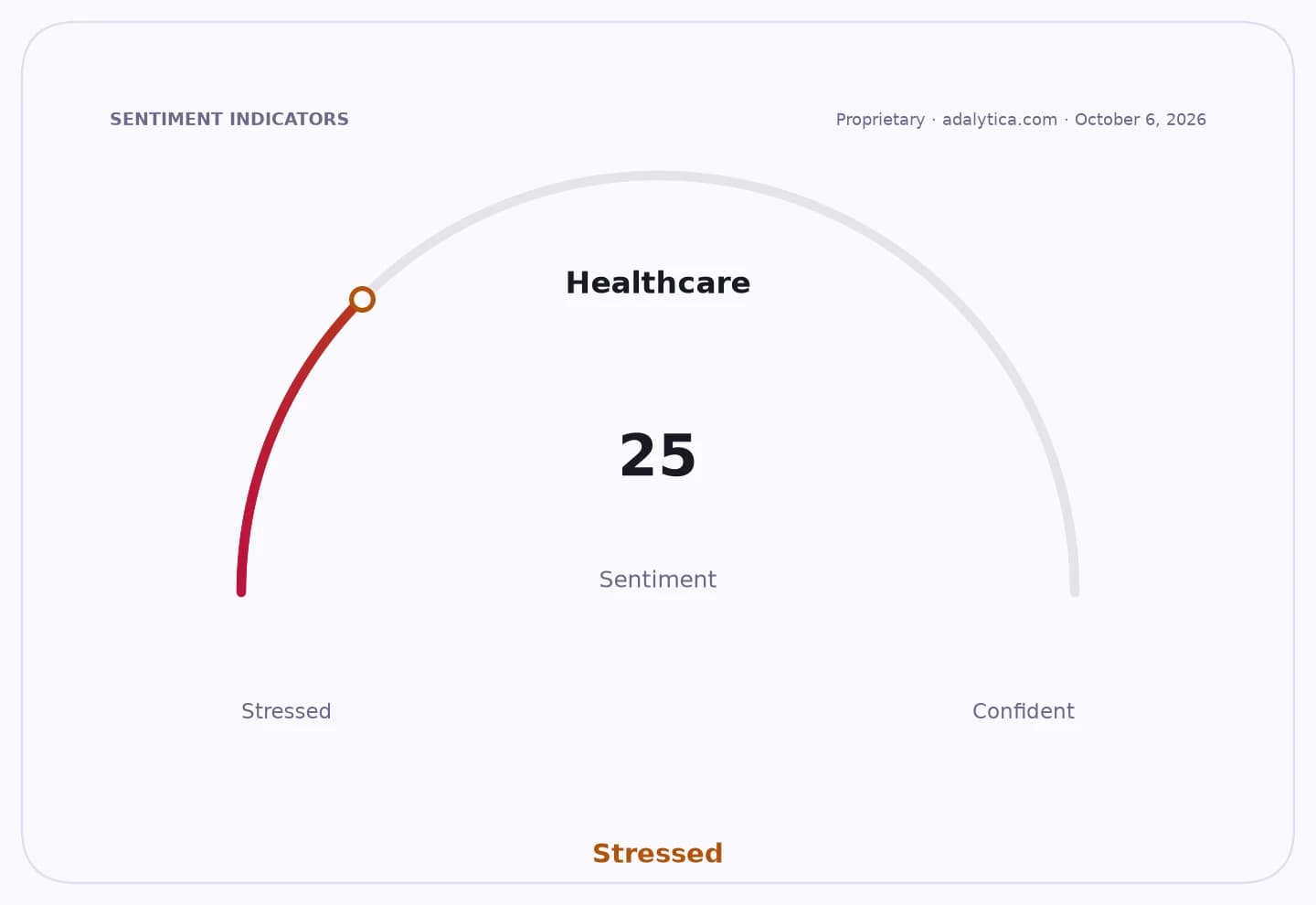
That matters because the change is not just cultural — it is economic. What used to be a one-to-one medical decision is becoming a three-way transaction between doctor, patient and algorithm, with more visits, more scans and more lab work feeding private healthcare spending. Doctors interviewed by BIRN said nearly 90% of patients now arrive having first consulted their symptoms with ChatGPT, and some are already ordering expensive diagnostic panels or taking treatment decisions before ever seeing a doctor.

The result is a new source of friction inside a health system where trust used to sit squarely with the clinician. In one case, psychologist Sonila Jaupbashi said a medical student in Germany insisted she had OCD after ChatGPT told her so, despite three intensive sessions and specialized tests showing otherwise. In another, obstetrician-gynecologist Eda Bylykbashi said a patient challenged her diagnosis after uploading an ultrasound image to an AI platform and then confronting her with the chatbot’s answer.
For investors, the message is less about the chatbot itself than about the second-order winners and losers. If AI-driven self-diagnosis keeps spreading, demand will likely rise for private labs, imaging centers and pharmacies — but so will scrutiny around who bears liability when advice is wrong. That creates an opening for regulated healthcare providers, compliance-heavy diagnostic chains and telemedicine platforms that can position themselves as the human verification layer between AI-generated anxiety and real treatment.
The pressure is especially clear in private medicine, where physicians say patients are spending tens of thousands of leks a week on tests prompted by AI fears. That is a direct transfer of spending from cautious consumers into the medical services chain, but it is also a warning sign: overtesting driven by misinformation is not sustainable demand. The market underestimates how quickly patient behavior can distort utilization, overwhelm doctors and ultimately force a regulatory response.
That regulatory gap may be the real catalyst. Albania has no dedicated AI framework yet, while the EU already treats AI used for diagnosis or clinical decision support as high-risk and subject to oversight. Local doctors are now pushing for rules that would make physician recommendations mandatory before private labs perform certain tests or pharmacies dispense medicines. If that happens, it would not kill the AI health trend — it would formalize it, channeling demand toward licensed providers while squeezing unregulated intermediaries.
The broader investment takeaway is straightforward: this is an early-stage behavior shift, not a passing novelty. AI is not replacing doctors in Albania; it is changing how patients enter the system, what they ask for and how much they spend before a doctor can intervene. The winning strategy is to look for healthcare businesses that can monetize this new demand while absorbing the regulatory and reputational risk better than smaller competitors.
| Entity | Gains | Losses |
|---|---|---|
| Private labs and imaging centers | ▲More testing demand | ▼Rising scrutiny over unnecessary procedures |
| Pharmacies and medication sellers | ▲Higher over-the-counter sales | ▼Tighter prescription controls |
| Doctors and clinics | ▲Greater need for verification services | ▼More time spent correcting AI errors |
| Patients | ▲Faster access to information | ▼Higher costs and misdiagnosis risk |