Robert F. Kennedy Jr.’s new healthcare price transparency push matters because it goes straight at the part of U.S. medicine investors care about most: who captures pricing power in a system where patients often have no idea what care will cost until the bill arrives.
U.S. Healthcare Price Transparency Push Hits Insurers
In Washington, Kennedy said the administration wants Americans to get a “clearer view” of healthcare costs, unveiling measures with CMS Administrator Mehmet Oz and officials from HHS, the Labor Department and Treasury. The policy thrust is simple but economically potent — force prices into the open so patients, employers and payers can compare costs before care is delivered.
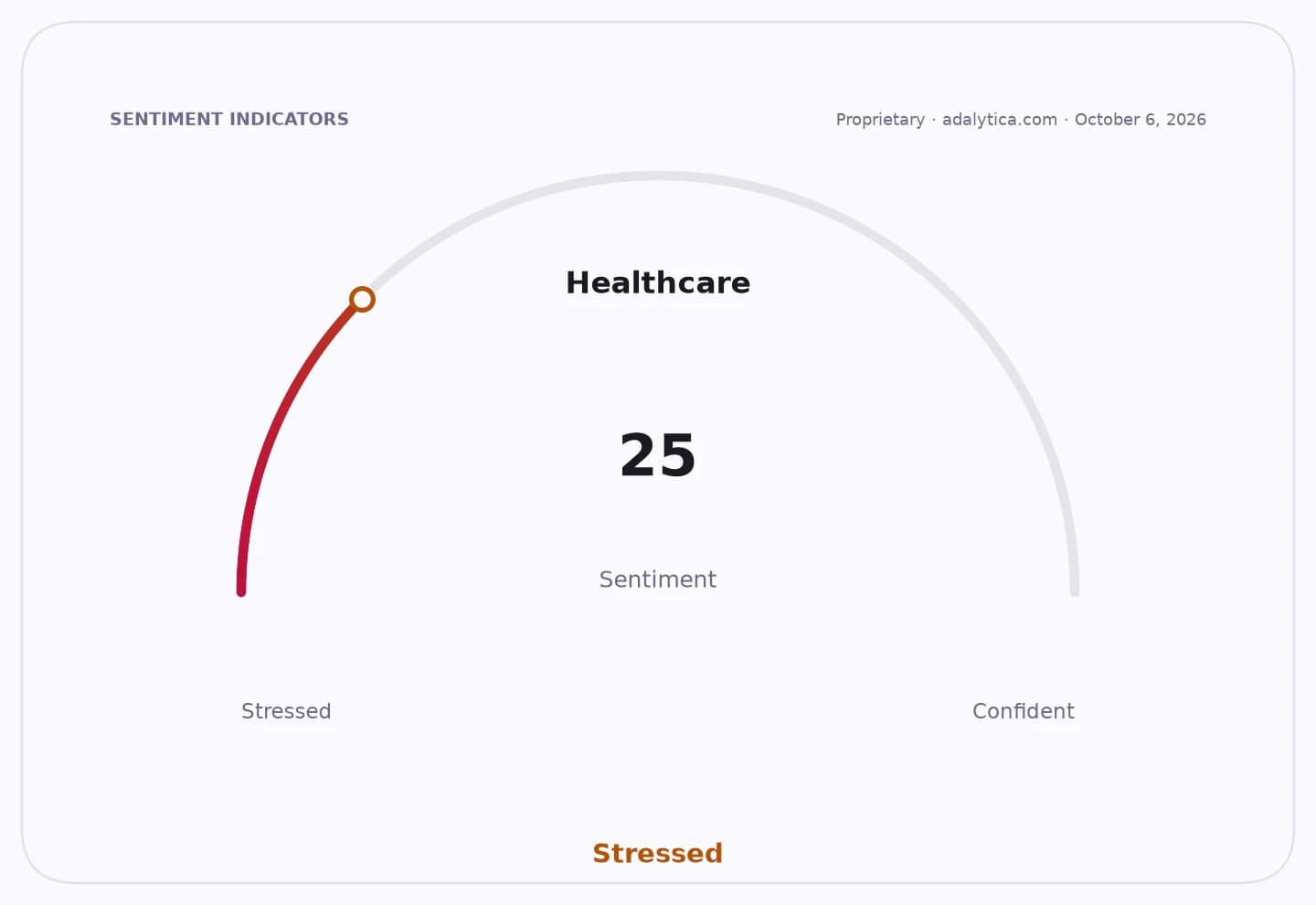
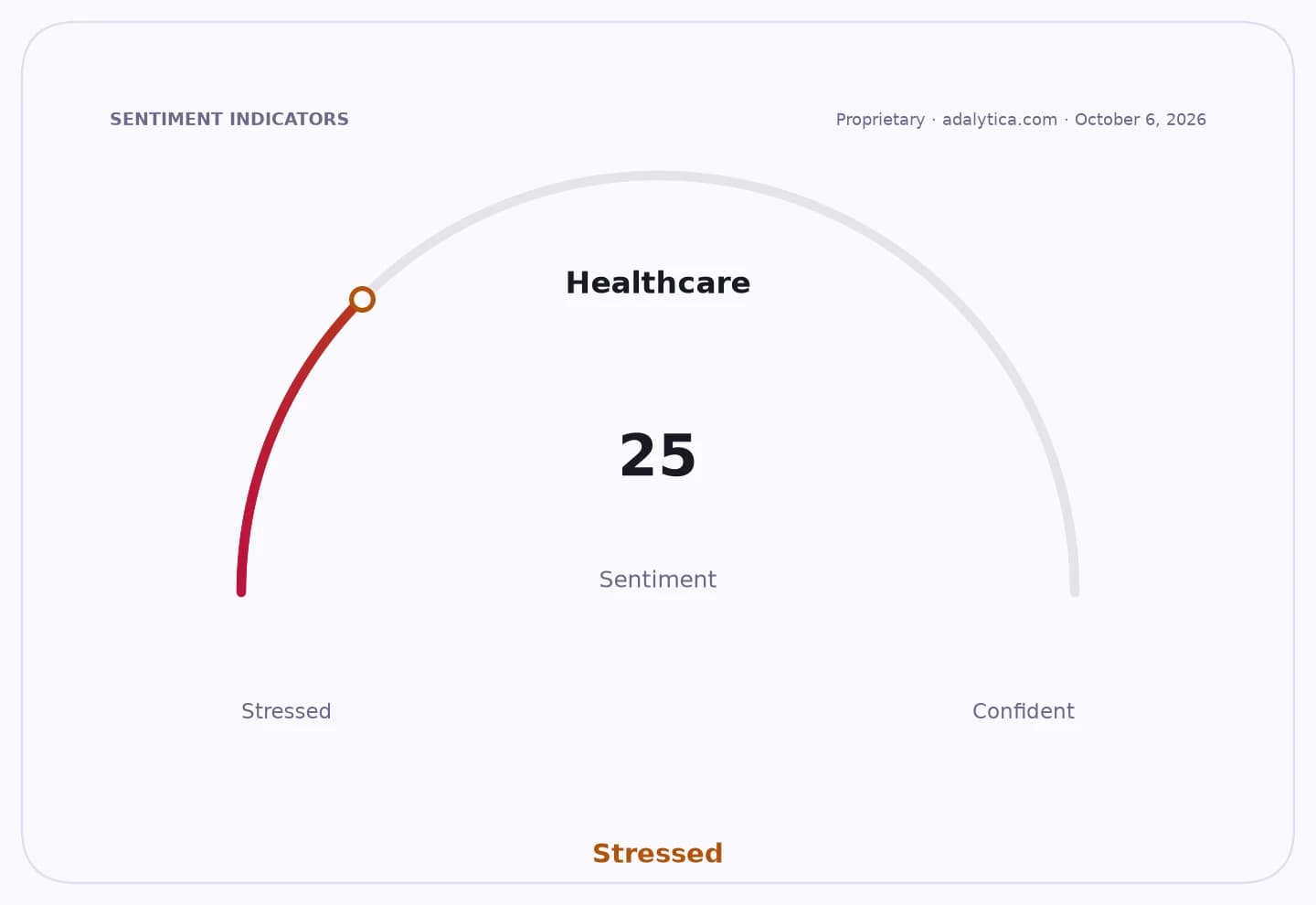
Sentiment IndicatorsⓘProprietary · adalytica.com · October 6, 2026
This is a snapshot — live sentiment, awareness and momentum for 130+ markets update continuously in the dashboard.Open AlphaPulse
That is not just a consumer-friendly slogan. If pricing becomes easier to see and compare, hospitals, insurers and pharmacy benefit managers lose one of their biggest structural advantages: opacity. Greater transparency can pressure providers to discount more aggressively, narrow the room for surprise billing and improve bargaining leverage for employers and plan sponsors. Over time, that can cool medical inflation — a major macro variable because healthcare is one of the largest and stickiest components of household and government spending.
For investors, the immediate impact is less about a single rule and more about the direction of travel. The market has already spent years pricing in tighter oversight of the managed-care complex, and these latest measures reinforce that theme. UnitedHealth Group, CVS Health and HCA Healthcare all sit in the blast radius, though not equally. Insurers and pharmacy middlemen tend to face the most margin scrutiny when regulators push for clearer pricing, while large hospital systems with scale and negotiating leverage are better positioned to absorb the shock.
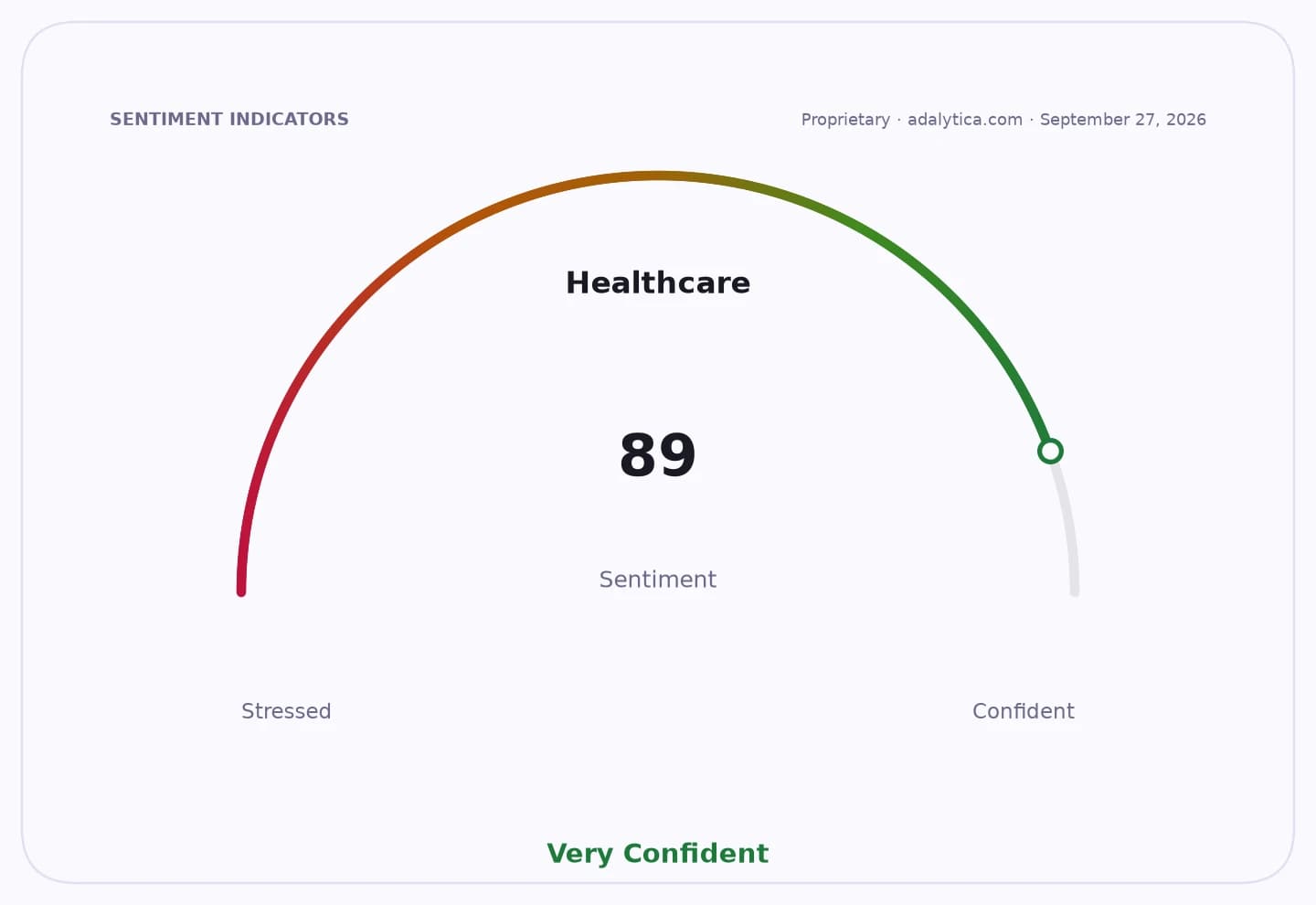
Healthcare vs UNHadalytica.com
Explore this data interactively — full history, time series and cross-market comparisons.Open AlphaPulse
That said, transparency is not automatically bearish for every healthcare name. Companies that can prove they deliver lower total cost of care, better outcomes or more efficient routing of patients stand to benefit as pricing comparisons become more visible. UnitedHealth’s emphasis on helping consumers make “clinically sound choices” and CVS’s comments about a more constrained pricing environment show the industry is already adapting to a world where cost disclosures and regulatory pressure are tightening at the same time.
The broader investment takeaway is that healthcare is moving from an opaque, pricing-power model toward a more contestable one. That is good for employers, payers and ultimately consumers, but it raises the bar for every company that depends on hidden spreads or fragmented pricing. If this effort gains traction, the winners will be the operators that can compete on value and scale; the losers will be the businesses that relied on complexity to protect margins.
| Entity | Gains | Losses |
|---|---|---|
| Employers and patients | ▲Lower visible prices | ▼Less billing opacity |
| Insurers and PBMs | ▲Better cost comparison tools | ▼Pricing spread pressure |
| Large efficient providers | ▲Value-based differentiation | ▼Less room for opaque pricing |
| HCA Healthcare | ▲Scale and negotiating power | ▼Higher scrutiny on rates |